Address
304 North Cardinal St.
Dorchester Center, MA 02124
Work Hours
Monday to Friday: 7AM - 7PM
Weekend: 10AM - 5PM
Address
304 North Cardinal St.
Dorchester Center, MA 02124
Work Hours
Monday to Friday: 7AM - 7PM
Weekend: 10AM - 5PM


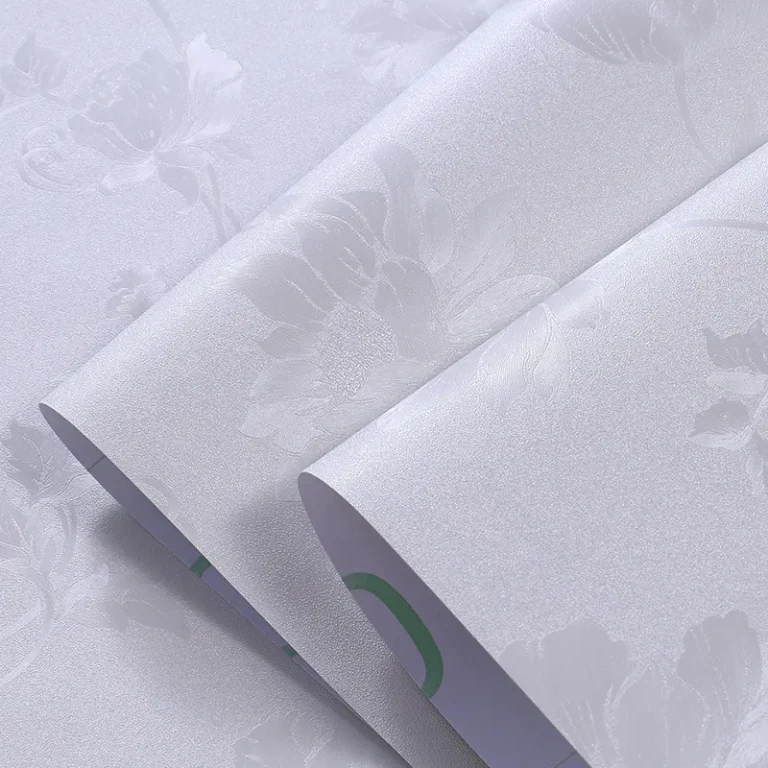
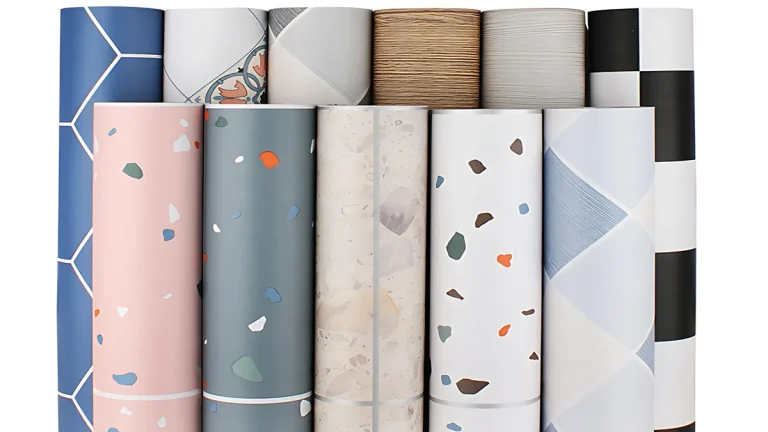
The release paper used with PVC film plays a quiet but critical role in manufacturing, converting, and installing decorative and protective PVC products. From protecting delicate printed surfaces to enabling easy unwinding during lamination, release liners ensure PVC films reach end users intact and perform reliably.
Release paper (also called a release liner) is a specially coated paper sheet that temporarily adheres to the adhesive or coated side of PVC film. The coating — typically silicone or a similar release agent — provides controlled tack so the film can be handled, stored, printed, and processed without sticking to surfaces or itself.
Release paper shields printed or decorative PVC surfaces from scratches, dust, and contamination during calendering, cutting, slitting, storage, and shipping. This is essential for glossy and specialty finishes where surface quality is paramount.
For self-adhesive PVC film, the liner provides a stable carrier and ensures an even release force when the film is applied. Correct release characteristics prevent residue, reduce application errors, and improve installation speed.
Release liners add mechanical support during winding and unwinding. They help maintain roll geometry, prevent telescoping, and improve slitting precision—vital for automated converting lines.
Many converting steps involve heat (lamination, hot-melt adhesives, or thermoforming). Release paper selected for its thermal resistance prevents deformation or transfer of the liner coating under process temperatures.
Choosing a release paper means balancing surface finish, release force, basis weight, and coating chemistry. Below is a quick reference that manufacturers and buyers use when specifying liners for PVC films.
| Property | Typical Spec / Option | Why It Matters |
|---|---|---|
| Release Coating | Silicone (various chemistries) | Controls peel force and residue risk |
| Basis Weight | 40–120 g/m² | Affects handling, stiffness, and cost |
| Surface Finish | Supercalendered, matte, clay-coated | Impacts printability and moisture resistance |
| Thermal Stability | Heat-resistant grades | Needed for lamination and thermo processes |
| Crepe vs Non-Crepe | Smooth or creped texture | Crepe improves conformability on curved rolls |
Printing quality: A stable liner prevents pick-off and ensures consistent ink laydown when printing on coated or adhesive films.
Lamination and bonding: Proper release values avoid premature lifting and ensure strong adhesive transfer when the liner is removed.
Installation performance: Smooth, residue-free release speeds up installers’ work and reduces rework on walls, furniture, and vehicles.
Storage life: High-quality liners extend shelf life by protecting against yellowing and contamination during long-term storage.
Match the release chemistry to the adhesive system used on the PVC film.
Specify the basis weight and finish to support your winding and converting equipment.
Confirm thermal resistance if your process includes hot lamination or forming.
Test release force (g/inch) under your production conditions, not just lab specs.
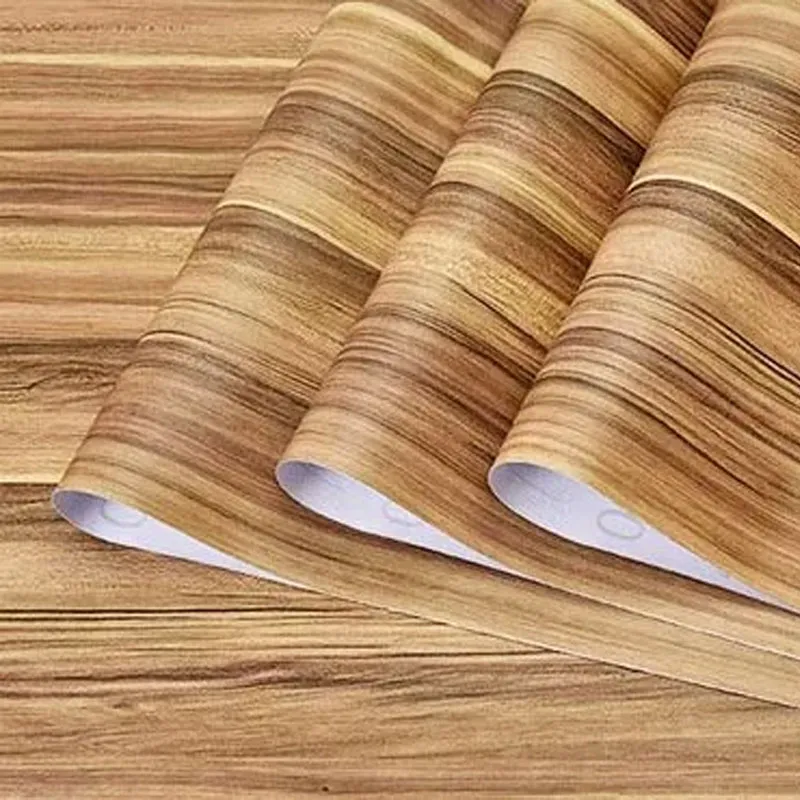
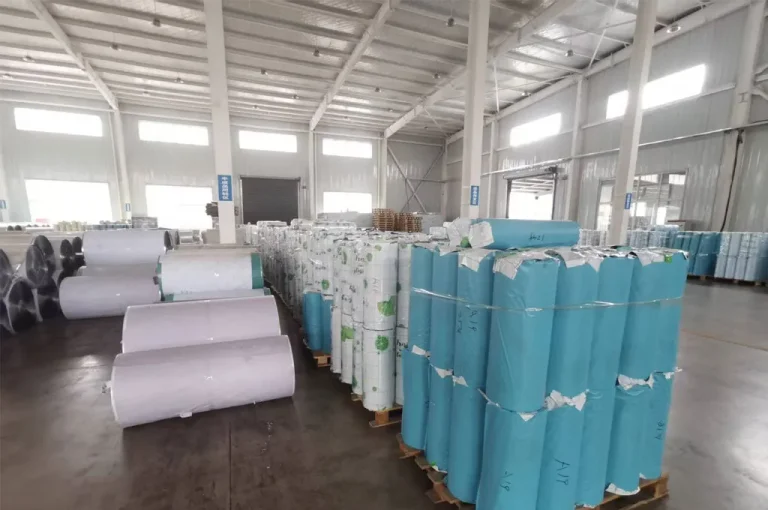
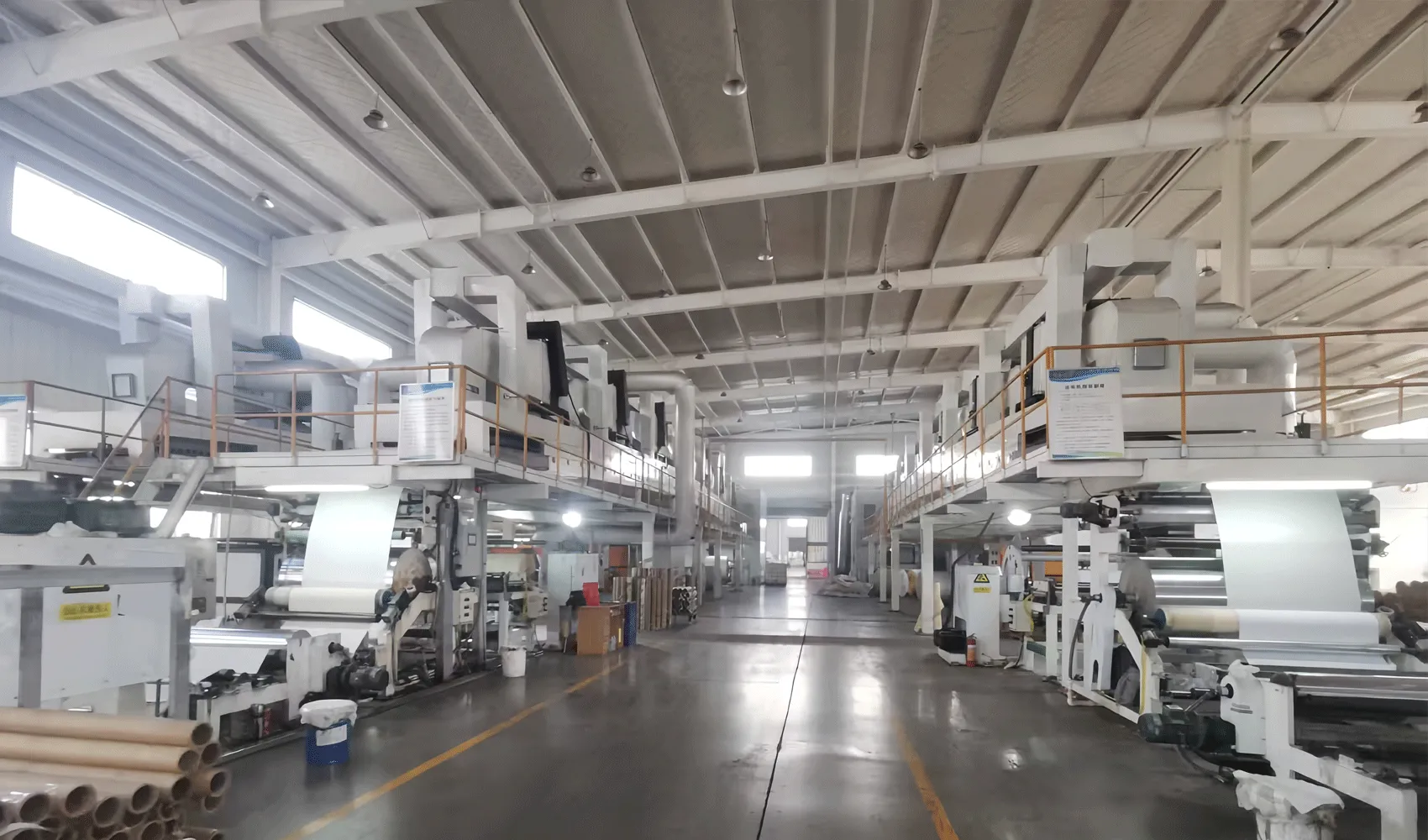
Pulivk manufactures PVC film products with full in-house capabilities—calendering, printing, and split-packaging—so release paper specifications can be coordinated directly with film properties to ensure consistent, cost-effective performance across the production chain.
Q: Does release paper remain with the film after installation? A: No — release paper is removed during application and should leave minimal residue when matched correctly to the adhesive.
Q: Can one liner fit all PVC films? A: No — different adhesives, surface textures, and processing steps require tailored release paper choices.
Q: How to test liner compatibility? A: Perform peel tests, print trials, and simulate lamination/thermal steps on production-scale samples.