Address
304 North Cardinal St.
Dorchester Center, MA 02124
Work Hours
Monday to Friday: 7AM - 7PM
Weekend: 10AM - 5PM
Address
304 North Cardinal St.
Dorchester Center, MA 02124
Work Hours
Monday to Friday: 7AM - 7PM
Weekend: 10AM - 5PM



PVC film is everywhere — from kitchen splashbacks and floor films to packaging and car wraps — and many people ask: is PVC film eco-friendly? The short answer is: it depends. This guide explains how PVC film is made, the environmental and health issues to consider, and practical steps buyers and specifiers can take to reduce impact.
PVC (polyvinyl chloride) film is a synthetic plastic made from vinyl chloride monomer and processed into thin sheets using calendering, extrusion or lamination. Manufacturers add plasticizers, stabilizers and pigments to get flexibility, UV resistance and color. These additives determine many of the product’s performance and environmental properties.
Durability: PVC film is water-resistant, easy to clean and long-lasting — which can reduce the need for frequent replacement.
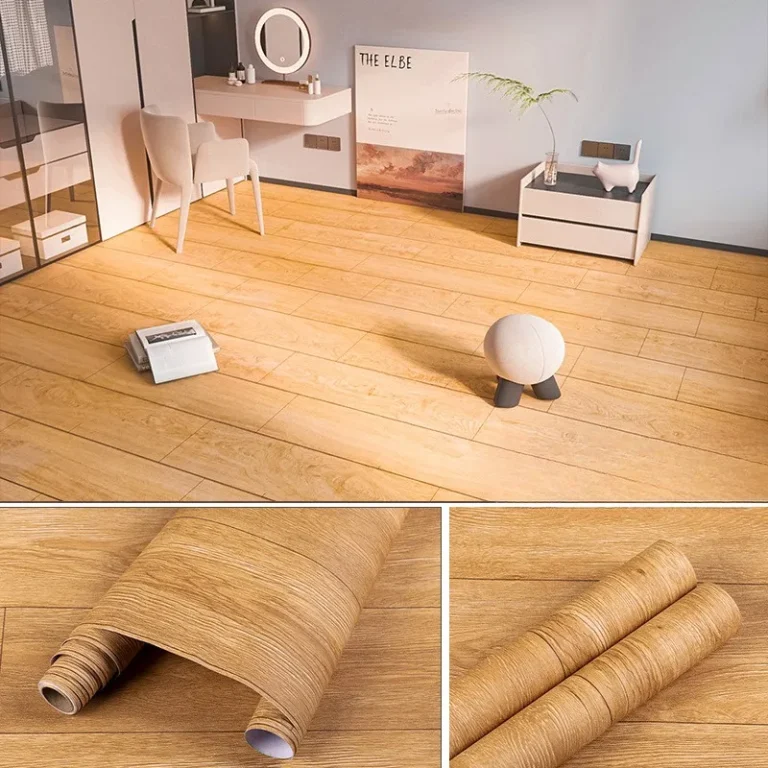
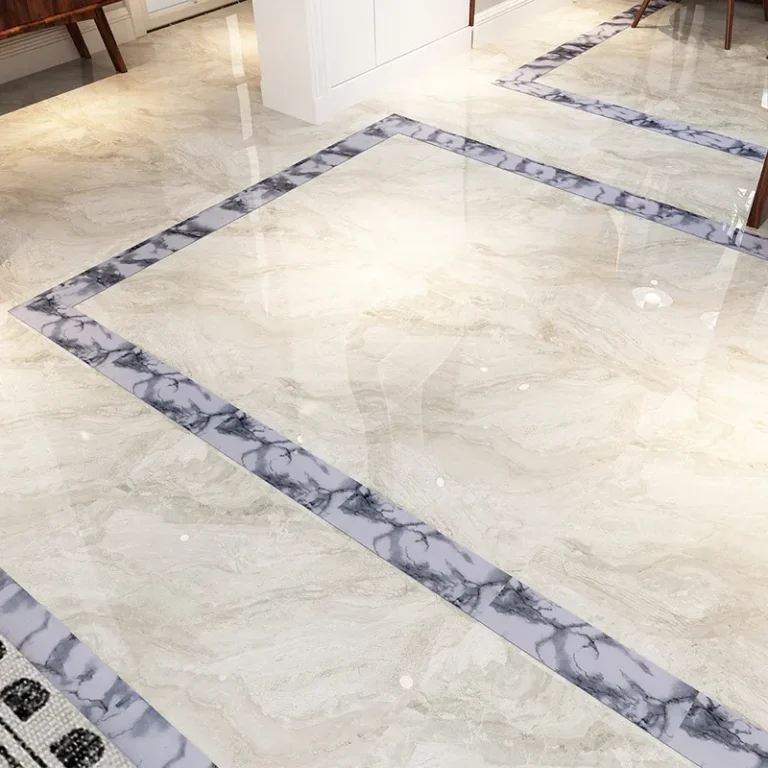
Versatility: available in glossy, matte, wood-grain, and marble effects for interior finishes and protective films.
Cost-effectiveness: typically cheaper than many alternatives while offering wide design options.
There are several issues to weigh when judging PVC film’s eco-friendliness:
1. Raw materials and production: PVC production uses chlorine and petrochemicals. Depending on the energy mix and plant controls, manufacturing can emit greenhouse gases and other pollutants.
2. Additives: Some films use phthalate plasticizers, heavy-metal stabilizers (historically lead-based), and other compounds that may leach or off-gas over time. Many producers have moved to safer phthalate-free and calcium/zinc stabilizers, but verification matters.
3. End-of-life: In landfills PVC can persist for decades. Incineration without proper controls risks releasing hazardous byproducts (e.g., dioxins). Improperly discarded films can also contribute to microplastic pollution.
Low-VOC, phthalate-free PVC films and properly formulated stabilizers greatly reduce indoor air concerns. For sensitive environments (nurseries, hospitals), choose certified low-emission products and request safety data sheets.
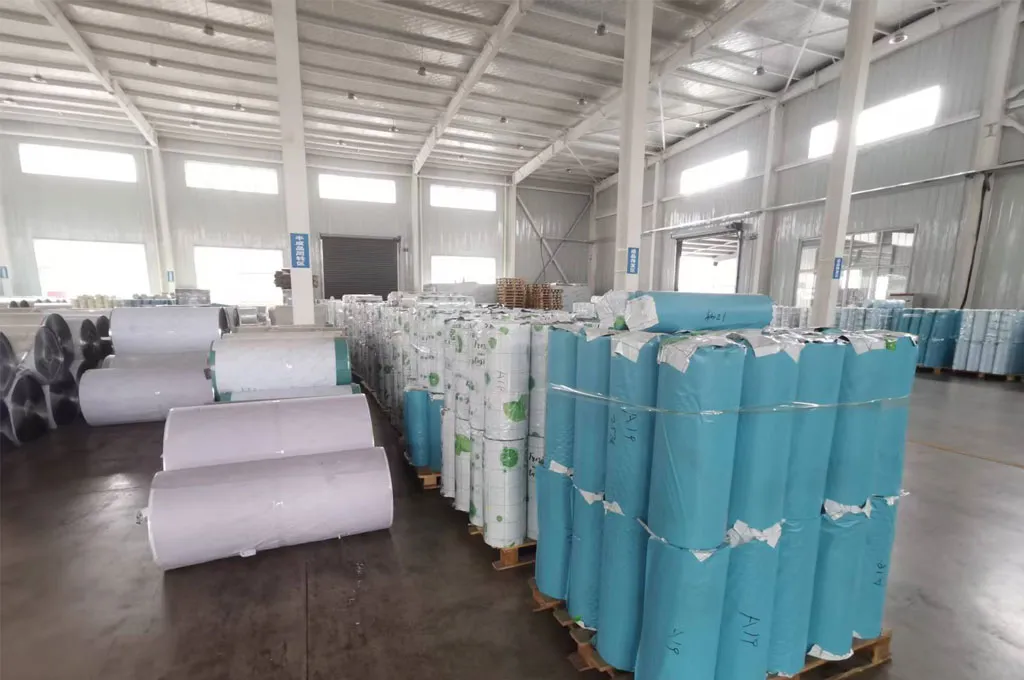
Recycling PVC film is technically possible (mechanical and advanced chemical recycling), but collection and separation are the bottlenecks. Recycling rates for flexible PVC vary by region and are often limited — in many markets post-consumer recycling remains below 20% due to contamination and mixed-material products.
When recycling is unavailable, energy recovery in modern facilities (with strict emissions controls) is an alternative, but it should not replace efforts to design out harmful additives and improve reuse/recycling systems.
| Aspect | What to watch for |
|---|---|
| Durability | Long service life can reduce replacement-related impacts. |
| Additives | Ask for phthalate-free and lead-free formulations; request SDS and test reports. |
| Recycling | Check local recycling streams and take-back programs; consider mechanical vs chemical recycling options. |
| Disposal risk | Avoid open burning; prefer controlled incineration with flue-gas cleaning if energy recovery is used. |
Consider these selection criteria to minimize environmental and health impacts:
Request material declarations and test reports (REACH, RoHS where applicable).
Prefer phthalate-free, low-VOC and non-heavy-metal stabilized products.
Ask suppliers about recycled content and take-back or recycling services.
Choose higher durability grades to limit replacement frequency.
For B2B buyers, selecting a partner with transparent in-house processes can simplify verification. One such example is Pulivk (https://pvcfilmtec.com/), which controls production steps from raw materials to finished packaging and offers OEM customization — a setup that can help buyers confirm formulation and quality.
– Inspect labels and SDS: confirm “phthalate-free” and modern stabilizers.
– Plan end-of-life: specify removable or separable films for easier recycling.
– Prioritize certifications: low-emission, product health declarations and third-party test results.
PVC film is not inherently “eco-friendly” or “toxic” — its environmental footprint depends on formulation, manufacturing controls, and end-of-life systems. By choosing responsibly formulated films, demanding transparency, and designing for reuse/recycling, specifiers and consumers can significantly reduce the environmental risks while benefiting from PVC film’s durability and cost advantages.