Address
304 North Cardinal St.
Dorchester Center, MA 02124
Work Hours
Monday to Friday: 7AM - 7PM
Weekend: 10AM - 5PM
Address
304 North Cardinal St.
Dorchester Center, MA 02124
Work Hours
Monday to Friday: 7AM - 7PM
Weekend: 10AM - 5PM


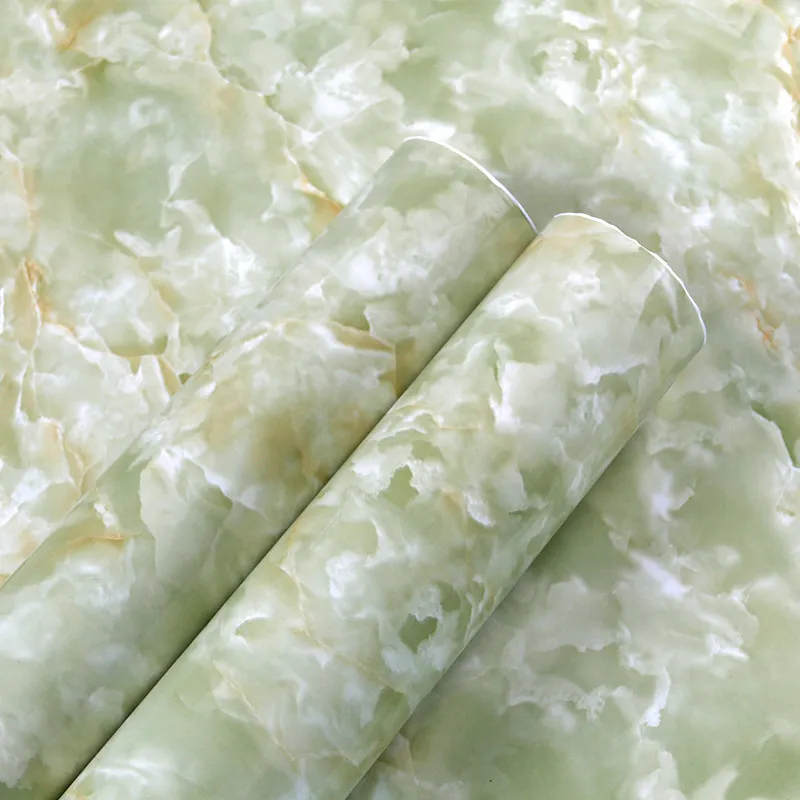
Wall protection film is a thin, durable PVC or PET layer designed to shield painted walls, wallpaper, plaster, and other interior surfaces from scratches, stains, moisture, and wear during construction, moving, renovation, or high-traffic use. It is a cost-effective way to preserve finishes while work or activity is ongoing, and it comes in a range of thicknesses, adhesive strengths, and surface textures to suit specific projects.
Often called temporary wall film, protective wall wrap, or surface protection film, this material uses a pressure-sensitive adhesive that adheres securely but removes cleanly when the job is done. Typical films are clear, matte, or textured to match aesthetic needs, and many are formulated to resist UV, grease, and common solvents used on job sites.
PVC film — flexible and affordable, used for general protection and decorative overlays.
PET film — higher tensile strength, used where tear resistance is critical.
Peelable adhesive — designed for clean removal without residue.
Protects finishes: Prevents scuffs, paint splatters, and surface damage from equipment, furniture, and foot traffic.
Saves time and money: Cuts down on costly repainting, sanding, or wallpaper replacement after a project.
Easy to install and remove: Many products peel off cleanly without solvents or scraping.
| Benefit | What It Means |
|---|---|
| Scratch & Abrasion Resistance | Protects against tools, carts, and moving furniture. |
| Stain & Spill Guard | Blocks paint, grease, and liquids from reaching the wall surface. |
| Temporary Aesthetic Cover | Matte or patterned options keep sites presentable during events or renovations. |
| Clean Removal | Minimizes labor for post-project cleanup with no adhesive residue. |
Wall protection film suits a wide range of scenarios:
Professionals favor thicker films with higher peel strength for long-term protection, while homeowners typically use thinner, removable films for weekend projects. Specifying the correct grade reduces rework and improves client satisfaction.
The film acts as a sacrificial barrier. It absorbs impacts, prevents abrasions, and stops liquids from contacting the substrate. Key protective mechanisms include:
When selecting film consider: dwell time (how long it needs to stay adhered), surface compatibility (paint type, wallpaper), temperature range during application, and removal window to avoid adhesive carryover.
Follow these steps for a secure application and clean removal:
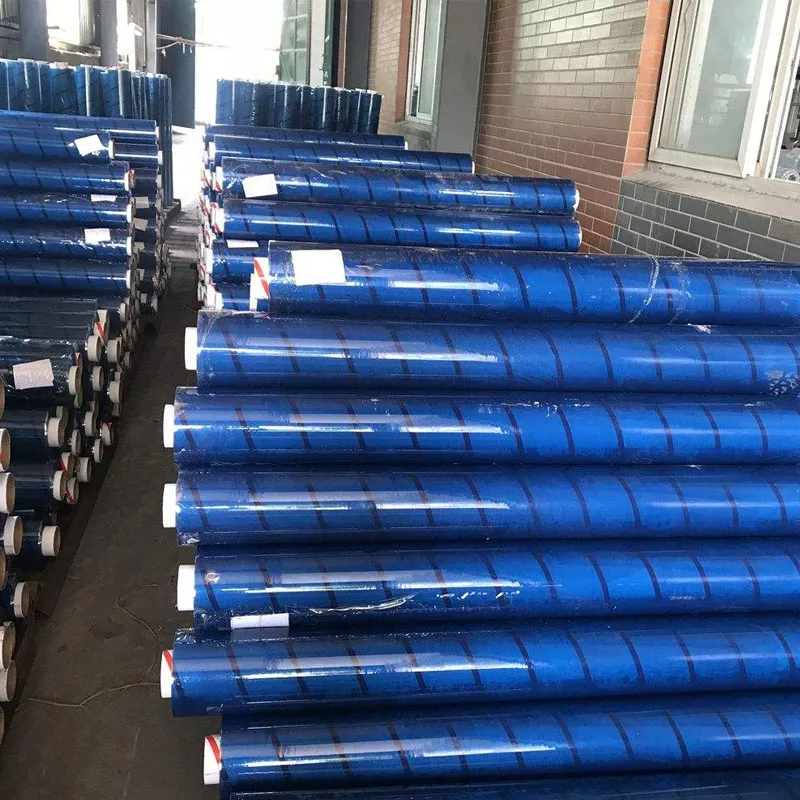
Most protective films require minimal maintenance while installed. Wipe with a damp cloth if needed. For removal, peel slowly and evenly—do not pull sharply. If any residue remains, a mild adhesive remover or warm soapy water usually clears it.
Match film thickness and adhesive strength to your project. Thicker films (100–200 microns) work well for heavy-duty protection; thin films (25–75 microns) are fine for light, short-term covering. Always test a small inconspicuous area if unsure.
– Expected protection duration
– Surface type (paint, wallpaper, plaster)
– Required aesthetic (clear, matte, printed)
– Removal window and temperature tolerance
Is wall protection film safe for all paints? Most modern paints tolerate peelable films, but delicate or recently cured finishes should be tested first.
Can it prevent moisture damage? It provides a barrier to spills and splashes but is not a permanent waterproofing solution.
Reliable manufacturers produce calibrated film grades with in-house QC and flexible OEM options to meet project-specific needs. For industrial-scale supply and customization, consider established producers with full production lines and export experience. Pulivk