Address
304 North Cardinal St.
Dorchester Center, MA 02124
Work Hours
Monday to Friday: 7AM - 7PM
Weekend: 10AM - 5PM
Address
304 North Cardinal St.
Dorchester Center, MA 02124
Work Hours
Monday to Friday: 7AM - 7PM
Weekend: 10AM - 5PM


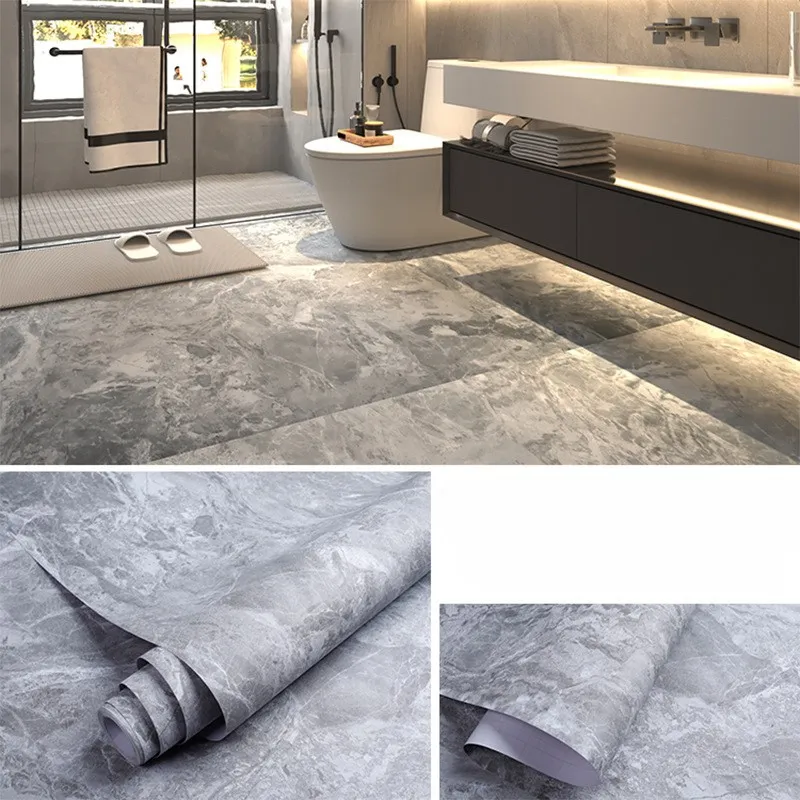
PVC protective film is a popular, cost-effective option for covering and protecting floors during construction, renovation, or in high-traffic commercial areas. This guide explains when PVC film is suitable for flooring, the different types, installation and maintenance tips, and how it compares to alternatives—helping homeowners, contractors, and facility managers make informed choices.
PVC protective film is a thin polymer sheet with an adhesive backing (or non-adhesive varieties) designed to guard surfaces from scratches, dust, paint, and moisture. For flooring, films are available with varying thicknesses, textures (matte, gloss, embossed), and adhesive strengths to match temporary or longer-term protection needs.
Typical scenarios include protecting newly installed tiles, laminate, vinyl planks, or stone during finishing work, safeguarding showroom or exhibition flooring, and providing temporary slip-resistant layers for events or moving heavy items.
Protection: Prevents scratches, scuffs, and paint splatter during construction or move-ins. Cost-efficiency: Cheaper than replacing damaged flooring or using heavy protective boards. Appearance: Available in clear and decorative finishes to maintain a neat look.
Water resistance—PVC repels light spills and reduces staining risk during short-term protection. Easy removal—quality films peel away cleanly when correctly matched to the floor type and exposure time.
Adhesive films cling directly to the floor and are ideal for preventing dust and small debris infiltration. Non-adhesive (loose-lay) films are quicker to place and remove for very short-term uses.
Common thicknesses range from light protection (30–60 µm) to heavy-duty (120–200 µm). Textured or embossed films add traction and hide minor surface marks while glossy options preserve the floor’s shine.
The answer depends on the floor material, surface finish, and project duration. Below is a quick suitability matrix to guide decisions.
| Floor Type | Recommended? | Notes |
|---|---|---|
| Tile (glazed porcelain) | Yes | Use low-tack film to avoid adhesive residue on glazed surfaces. |
| Natural stone (marble, granite) | Conditional | Short-term use only; test adhesive on an inconspicuous spot first. |
| Laminate & Engineered Wood | Yes | Choose breathable or low-adhesion film to prevent moisture trapping and finish damage. |
| Vinyl plank flooring | Yes | Most vinyls tolerate short- to mid-term protection; avoid aggressive adhesives. |
| Polished concrete | Conditional | Use non-adhesive films or protective boards for long exposures to prevent bonding or haze. |
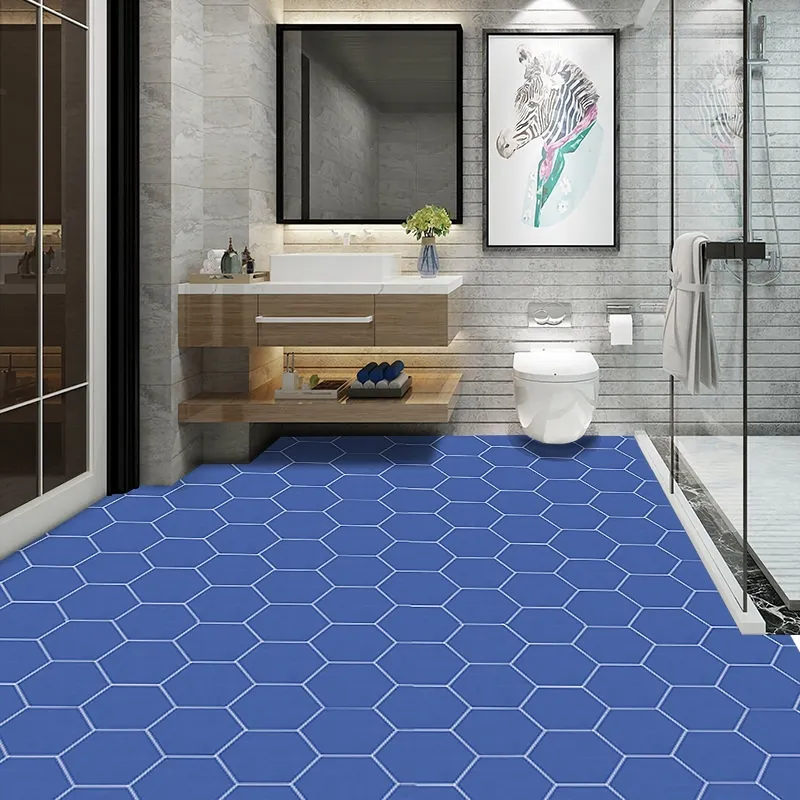
High-quality PVC film can protect floors for weeks or months, but prolonged exposure (especially under sunlight or high heat) can cause adhesive migration, yellowing, or residue. For long projects, consider breathable films or periodic inspection and replacement.
Clean the floor before application, keep the environment dust-free, and roll the film flat to remove air pockets. For seams, overlap slightly or use tape recommended by the film manufacturer. Avoid stretching the film to prevent lifting or edge curling.
Remove film slowly and at a low angle. Warm the adhesive edge slightly if residue is present and use a recommended adhesive remover; always test cleaners in an inconspicuous spot.
PVC films for floors are generally safe, but ensure the product is certified for indoor use and low in VOCs if occupants will be present. For public spaces, choose anti-slip / textured options to reduce fall risk during wet conditions.
PVC protective films are widely available and inexpensive compared to labor and repair costs. However, PVC is not compostable; consider recyclable or reusable protective mats for sustainability-conscious projects. Some manufacturers offer post-consumer recycling programs—check product specs.
Not usually if you use low-adhesive or breathable films and limit exposure time. Always test a small area first.
Most adhesive films are single-use. Non-adhesive sheets can be reused if kept clean and undamaged.
Short-term is best—days to a few months depending on product specs. Avoid leaving adhesive film for long periods in sunny or hot environments.
PVC protective film is suitable for many flooring situations—especially temporary protection during construction, renovations, or events—when you select the correct film type, adhesive strength, and thickness for your floor material. For delicate or long-term protection, consult product data sheets and consider alternatives like protective boards or breathable films.
For reliable supply and customization options, Pulivk offers a broad range of PVC floor films, textures, and packaging choices to suit commercial and residential projects. Visit https://pvcfilmtec.com/ for product details and OEM options.