Address
304 North Cardinal St.
Dorchester Center, MA 02124
Work Hours
Monday to Friday: 7AM - 7PM
Weekend: 10AM - 5PM
Address
304 North Cardinal St.
Dorchester Center, MA 02124
Work Hours
Monday to Friday: 7AM - 7PM
Weekend: 10AM - 5PM


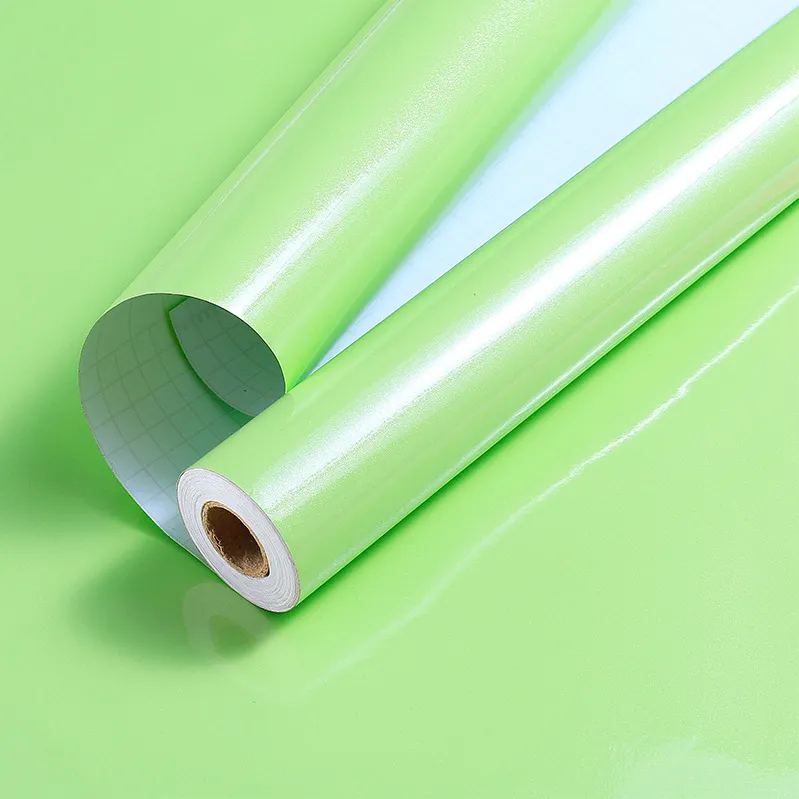
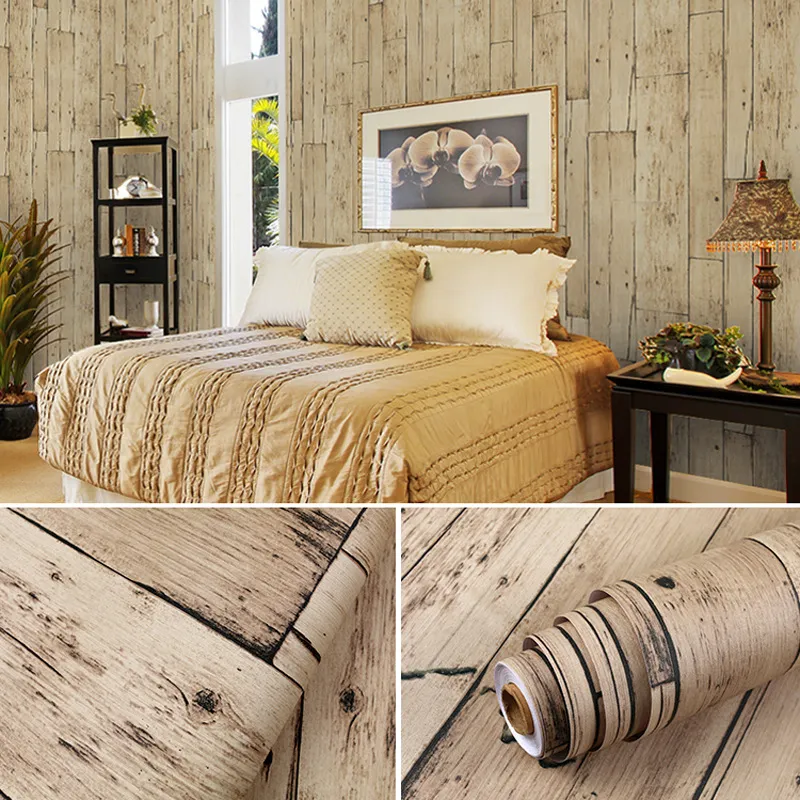
PVC wood grain film is a popular decorative surface material that mimics the look of real wood while offering practical advantages for furniture, cabinetry, doors, and interior trim. This guide explains how good PVC wood grain film really is — covering benefits, common uses, durability factors, installation tips, and how to choose the right product for long-lasting results.
PVC wood grain film delivers wood-like aesthetics with lower cost, easier maintenance, and faster installation. It’s widely used by DIYers and professional fitters alike because it can transform plain panels into high-end finishes without the weight, expense, or upkeep of natural timber.
Cost-effective: PVC film typically costs a fraction of real wood veneer or solid wood, making it ideal for large projects and commercial fit-outs.
Variety of finishes: Available in matte, glossy, textured and high-definition wood grains that replicate oak, walnut, maple, and more.
Water and stain resistance: Many PVC films are waterproof and easy to wipe clean, making them suitable for kitchens, bathrooms, and utility spaces.
PVC wood grain film is versatile. Typical applications include:
Durability depends on film quality, thickness, coating, and installation. High-quality PVC films with UV-stabilized inks and protective topcoats resist fading, scratching, and yellowing. Under normal indoor conditions and with proper care, premium PVC wood grain films can last 5–15 years or longer.
| Property | Typical Value | Notes |
|---|---|---|
| Film thickness | 0.08–0.3 mm | Thicker films resist dents and heat better |
| Expected lifespan | 5–15 years | Depends on UV exposure and use |
| Water resistance | High (coated films) | Excellent for wet areas if edges sealed |
| Scratch resistance | Moderate to high | Topcoat grade matters |
| UV resistance | Variable | Use UV-stable film outdoors or in strong sunlight |
High-grade PVC films use better inks, stronger adhesives, and protective lacquers. Always choose films manufactured on modern calendering and printing lines for consistent texture and color stability.
Durability starts with prep. Smooth, clean, dry substrates and edge sealing extend service life. Poor installation (wrinkles, trapped dust, or unsealed joints) leads to peeling and reduced longevity.
Heavy traffic, frequent abrasion, high heat, and direct sunlight reduce lifespan. For kitchens or bathrooms, choose oil‑proof/top‑coated films and ensure seams are sealed.
PVC is lighter, cheaper, and requires less maintenance, but lacks the depth and repairability of solid wood. For decorative upgrades, PVC is an excellent alternative.
Veneer has authentic wood layers and can be refinished; PVC offers better water resistance and more consistent patterns at lower cost.
For reliable supply and consistent quality, consider manufacturers with calendering, printing, and split-packaging lines—such capabilities support flexible OEM options and stable lead times. Pulivk — https://pvcfilmtec.com/ — provides full in-house production and global export experience.
PVC wood grain film offers an attractive, affordable, and practical solution for many interior finishes. When you choose a high-quality film, prepare surfaces properly, and follow recommended maintenance, it performs very well in residential and commercial settings. For demanding or visible applications, prioritize thicker film grades and UV/topcoat protection to maximize appearance and lifespan.
Is PVC film waterproof? Most coated PVC films are water resistant; edge sealing is recommended for crevice protection.
Can it be applied to curved surfaces? Yes — flexible films with thinner gauges work well on slight curves and contours.
Is it eco-friendly? PVC is a synthetic material; some manufacturers offer recyclable options and controlled production processes to reduce waste.