Address
304 North Cardinal St.
Dorchester Center, MA 02124
Work Hours
Monday to Friday: 7AM - 7PM
Weekend: 10AM - 5PM
Address
304 North Cardinal St.
Dorchester Center, MA 02124
Work Hours
Monday to Friday: 7AM - 7PM
Weekend: 10AM - 5PM


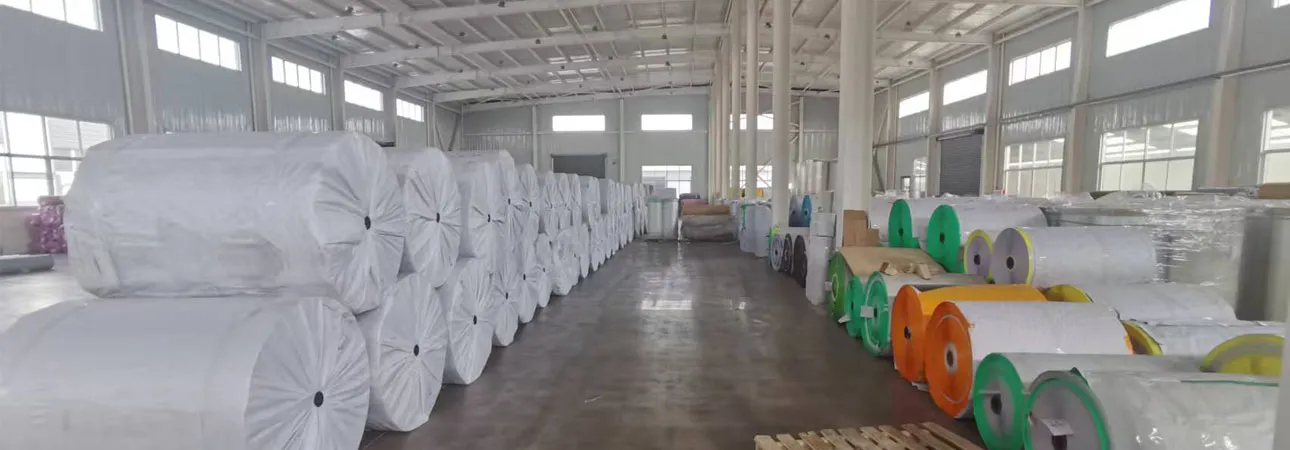
Achieving consistent quality in PVC film production is essential for manufacturers who want stable output, predictable lead times, and satisfied customers. This guide outlines practical best practices for process control, raw material management, equipment maintenance, and quality verification to help plants minimize variation, reduce waste, and scale efficiently.
Consistency reduces rework, improves customer satisfaction, and supports cost-effective OEM and customized runs. For facilities using calendering, printing, and split-packaging lines, tighter process control translates directly to fewer defects and more reliable delivery timelines.
Start with strict specifications for PVC resins, plasticizers, stabilizers, pigments, and any additives. Implement incoming material checks (appearance, moisture content, batch certificates) and maintain FIFO inventory to prevent variability from aged or degraded supplies.
Stabilize critical process parameters such as roll gap, nip pressure, calendar roll temperature, line speed, and cooling profile. Automated data capture with trend analysis is invaluable for detecting drift early.
For printed films, ensure ink viscosity, drying temperature, and print registration are monitored per shift. Surface energy testing and adhesion checks prevent delamination and ensure consistent print quality across batches.
Planned preventive maintenance and routine calibration minimize unexpected variation caused by wear or misalignment. Maintain logs for roll condition, bearings, and electrical systems.
A robust QC plan balances inline monitoring with laboratory tests. Use real-time data for immediate corrective actions and lab confirmation for properties like tensile strength, elongation, and chemical resistance.
| QC Checkpoint | Frequency | Target / Action |
|---|---|---|
| Incoming Material Inspection | Every batch | Verify COA; record moisture & appearance |
| Thickness (gauge) | Inline continuous / hourly lab check | ± tolerance depending on SKU (e.g., ±5%) |
| Surface Finish & Gloss | Per roll | Compare to master sample; rework if off-spec |
| Adhesion / Print Quality | Per print run | Adhesion ≥ specified value; color match ΔE≤ specified |
| Packaging & Label Checks | Per carton / pallet | Correct labels, protective wrap, and lengths |
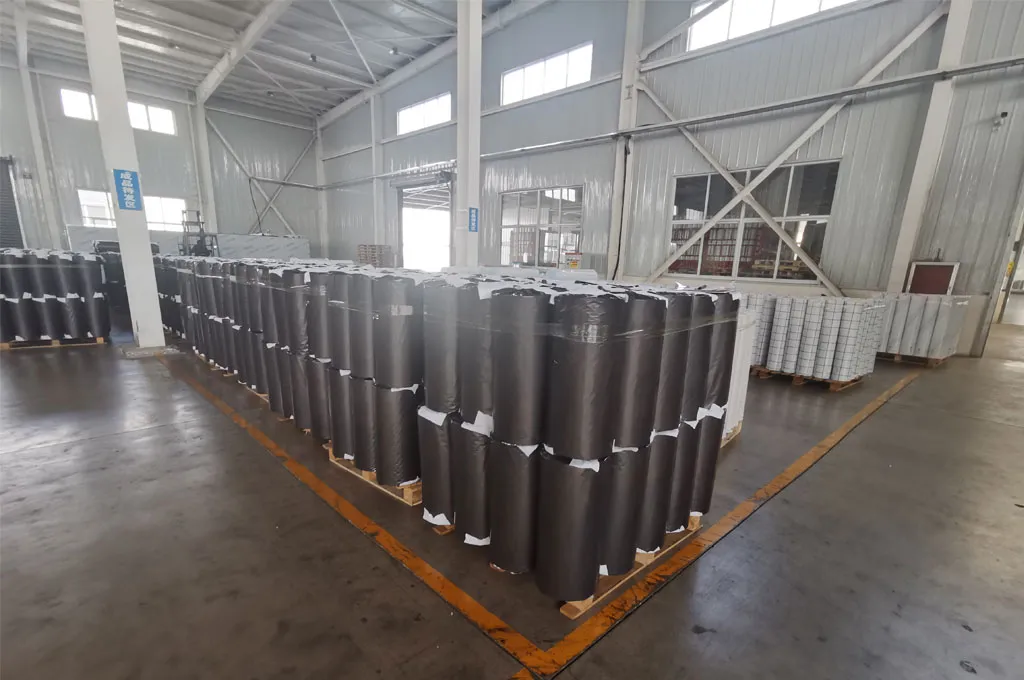
Consistent packing prevents damage and mix-ups. Implement traceability: assign lot numbers, record production parameters, and store finished rolls in controlled conditions. Split-packaging should follow documented instructions to maintain quality for smaller roll lengths.
Leverage SPC (Statistical Process Control), root cause analysis, and cross-functional review to reduce process variation over time. Small, frequent improvements compound into measurable gains in yield and on-time delivery.
By combining strict raw material control, precise equipment calibration, rigorous QC sampling, and data-driven improvement cycles, manufacturers can achieve stable PVC film quality and efficient production. For reliable full in-house production backed by calendering, printing, and split-packaging capabilities, consider partners who offer end-to-end process control and proven global export experience—Pulivk.