Address
304 North Cardinal St.
Dorchester Center, MA 02124
Work Hours
Monday to Friday: 7AM - 7PM
Weekend: 10AM - 5PM
Address
304 North Cardinal St.
Dorchester Center, MA 02124
Work Hours
Monday to Friday: 7AM - 7PM
Weekend: 10AM - 5PM


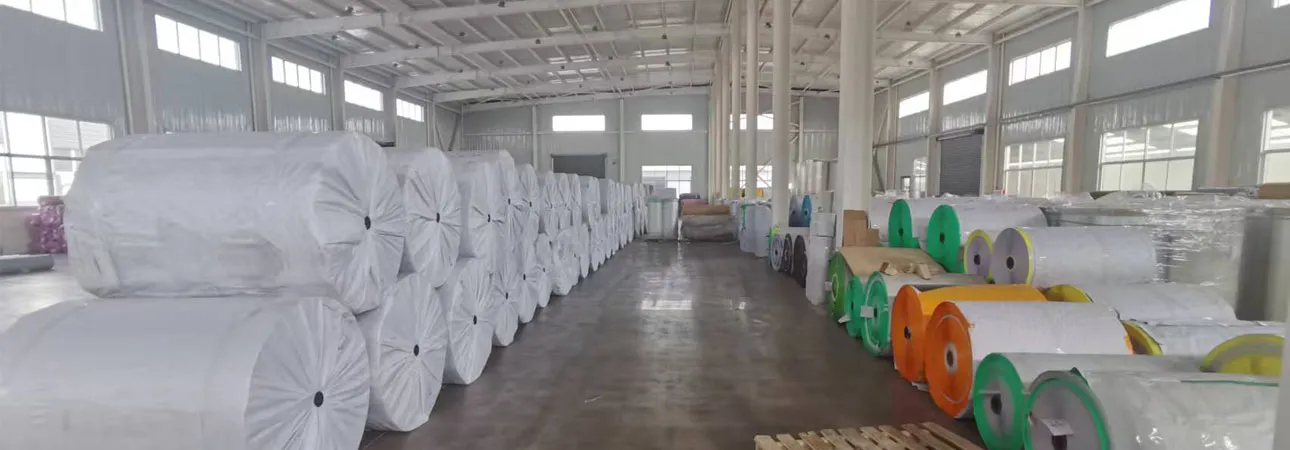
PVC film that feels stiff, cracks, or refuses to conform to curved surfaces is a common headache for converters, installers, and end users. Understanding why a PVC film is lacking in flexibility — and what to do about it — helps you avoid installation failures, customer complaints, and waste. Below you’ll find practical causes, quick tests, and proven solutions to restore or improve flexibility in PVC films.
1. Low or incompatible plasticizer content: Plasticizers are the primary modifiers that make PVC soft and flexible. If the formulation uses too little plasticizer or a plasticizer with poor compatibility, the film will be hard and brittle.
2. Plasticizer migration and loss: Over time, external factors (heat, solvents, contact with porous substrates) can cause plasticizers to migrate out of the film, leaving it rigid and cracked.
3. High PVC resin hardness / formulation imbalance: Using a high-MFI resin or insufficient flexibilizer types (internal/external) leads to higher glass transition temperature (Tg) and less elongation.
4. Excessive filler or rigid additives: Heavy loading of calcium carbonate, glass fibers, or rigid pigments reduces mobility within the polymer matrix and lowers elongation at break.
5. Processing and cooling issues: Too-high calendering temperature, rapid cooling, or incorrect rolling tension can lock a stiff microstructure into the film. Poor venting or incomplete mixing during compounding also causes local rigidity.
6. Aging and UV/thermal degradation: Long-term exposure to heat, UV or oxidation can crosslink or embrittle the PVC, especially without proper UV stabilizers or antioxidants.
Formulation fixes
Processing & handling
Laminating the PVC film to a soft backing, adding a thin soft-coat layer, or using pressure-sensitive adhesives engineered for low migration can restore bendability for installation on curved or flexible substrates.
| Most Likely Cause | Recommended Fix |
|---|---|
| Low or wrong plasticizer | Adjust type/amount; use higher compatibility plasticizer |
| Plasticizer migration | Use internal plasticizers; add migration inhibitors; improve packaging |
| High filler loading | Reduce or change filler; use surface-treated fillers |
| Processing-induced stiffness | Optimize calendering, cooling, tension; anneal rolls |
Ask suppliers for elongation at break, Shore hardness, plasticizer type, and storage guidance. Request sample trials for curved or flexible substrates and simulate the installation environment (heat, solvents, cleaners).
If a whole batch shows decreased flexibility, or if migration appears shortly after installation, escalate to your supplier with tests and photos. Pulivk can provide technical support, sample adjustments, and customized formulations to meet specific flexibility requirements.
Run a short pilot using the target substrate, thickness, and environmental conditions. Confirm mechanical tests and visual performance after accelerated ageing. These small steps save time and cost compared to rework or returns.
Armed with targeted testing and the right formulation/processing adjustments, most PVC flexibility problems are solvable. Prioritize compatibility in raw materials, control processing, and protect against migration for long-lasting, flexible PVC films.