Address
304 North Cardinal St.
Dorchester Center, MA 02124
Work Hours
Monday to Friday: 7AM - 7PM
Weekend: 10AM - 5PM
Address
304 North Cardinal St.
Dorchester Center, MA 02124
Work Hours
Monday to Friday: 7AM - 7PM
Weekend: 10AM - 5PM


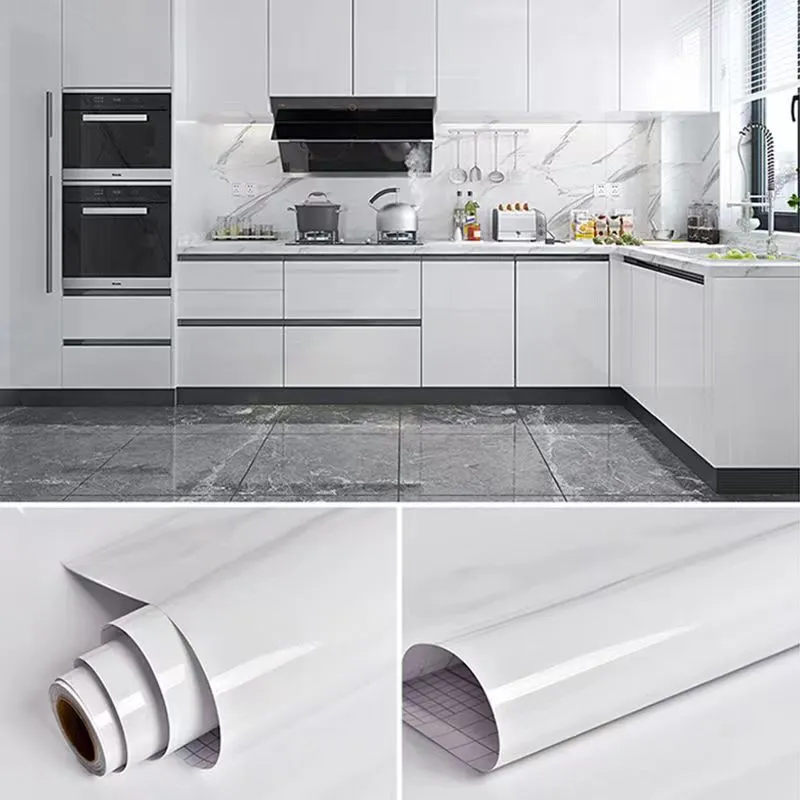
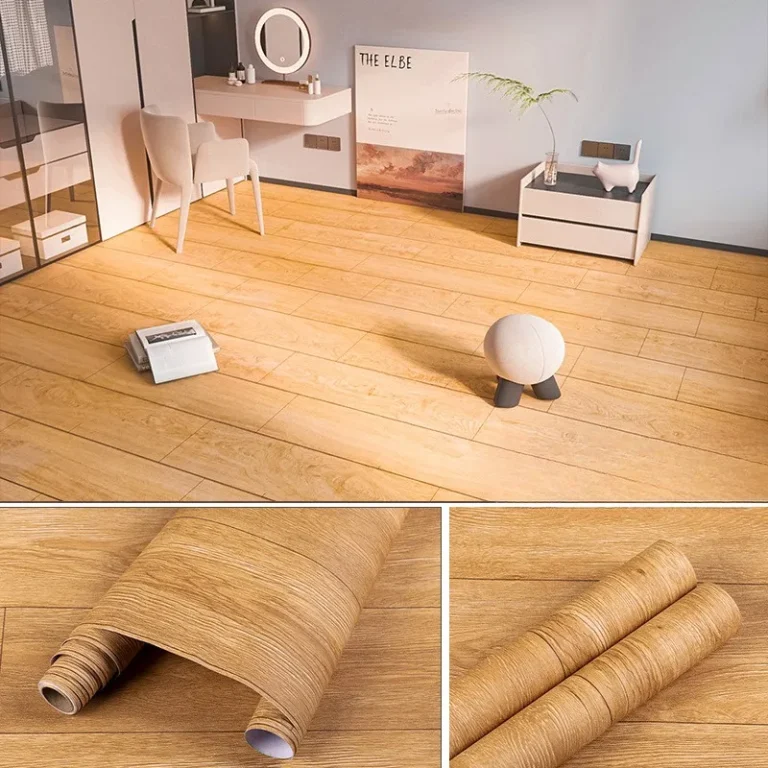
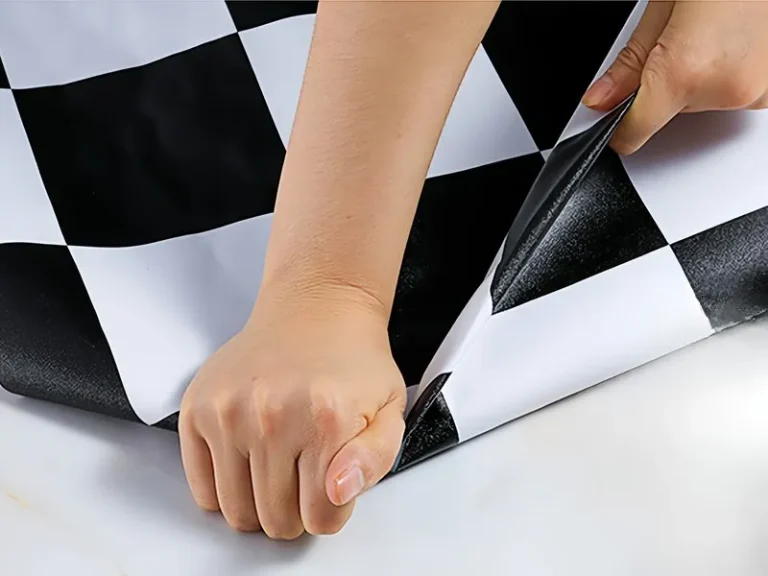
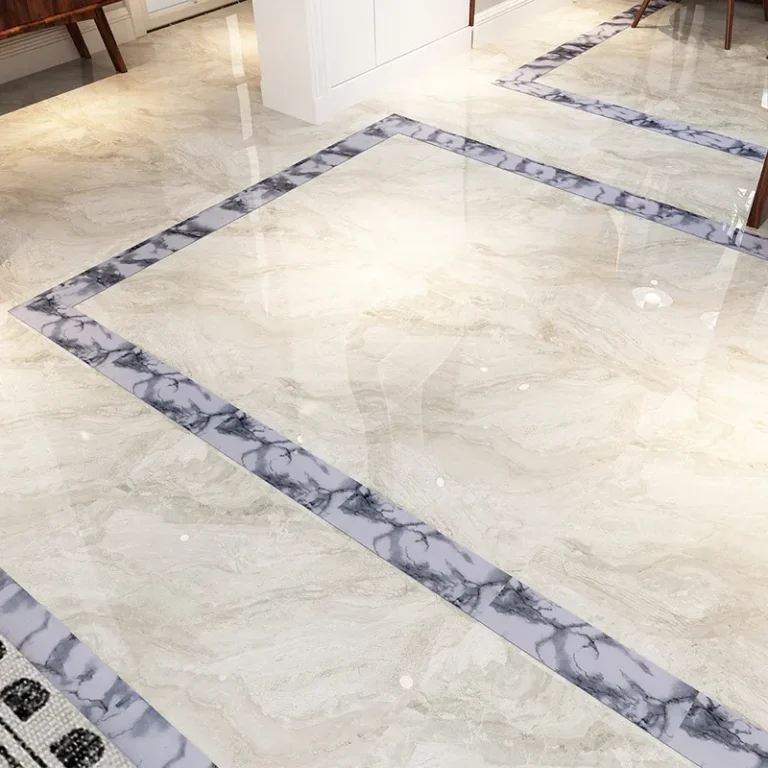
PVC film is a versatile material used for furniture wrap, flooring protection, wall coverings, and many other decorative and protective applications. A common concern from homeowners, fabricators, and specifiers is whether PVC film is high in formaldehyde and whether it can affect indoor air quality. This guide explains the facts, what can cause emissions, and practical steps to choose safer PVC products.
PVC (polyvinyl chloride) film is a synthetic polymer film produced by calendering or extrusion. It is made from vinyl chloride monomer polymerized into long chains, then converted into flexible sheets with plasticizers, stabilizers, pigments, and sometimes printed patterns. Pure PVC resin does not contain formaldehyde as a component of the polymer backbone.
Formaldehyde is often associated with indoor air concerns because it can be emitted from adhesives, coatings, particleboard, and certain resins used in furniture and building materials. Because many interior products are composite assemblies (film + adhesive + substrate), consumers sometimes assume every plastic or film emits formaldehyde. In reality, formaldehyde is mainly a concern when it is present in adhesives, binders, or finishing materials—rather than the PVC polymer itself.
When a PVC film product shows any formaldehyde emission, the likely culprits are:
– Adhesives and laminating glues used to bond film to substrates (MDF, plywood, particleboard).
– Surface coatings or inks applied during printing that may contain formaldehyde-based additives.
– Contaminated raw materials or recycled content that has been exposed to formaldehyde-bearing chemicals.
For most high-quality, modern PVC films manufactured and finished in controlled production lines, direct formaldehyde emissions from the film itself are very low to negligible. The bigger risk is the assembly process—when film is bonded to wood-based panels or when low-cost adhesives are used. Choosing certified films and verified adhesives reduces this risk.
To confirm safety, request documentation from suppliers:
– Independent lab test reports for VOCs and formaldehyde emissions (test chamber or emission certifications).
– Compliance statements for relevant regulations (REACH, RoHS, or local indoor air quality standards where applicable).
– Details on adhesives, inks, and any post-treatment used on the film.
| Component | Typical formaldehyde risk | What to request |
|---|---|---|
| PVC film (resin + plasticizers) | Low / negligible | Material safety data, VOC screen |
| Adhesives & laminates | Medium to high (varies) | Emission test reports, formaldehyde-specific data |
| Printed inks & coatings | Low to medium | Ink ingredient disclosure, VOC tests |
– Buy PVC film products from reputable manufacturers and ask for VOC and formaldehyde testing when the film will be bonded to wood panels.
– Prefer water‑based adhesives and certified low‑VOC inks when possible.
– Allow new installations to ventilate: open windows and use mechanical ventilation for a few days after installation to disperse any transient odors.
– Avoid exposing PVC film or assemblies to high heat immediately after installation, as heat can accelerate off‑gassing from adhesives or coatings.
– Ask the supplier for VOC and formaldehyde emission reports if the product will be applied to indoor furniture or interior panels.
– Verify the type of adhesive and whether it is labeled low‑VOC or formaldehyde‑free.
– Choose products from factories with full in-house production and QC processes to ensure consistent ingredient control.
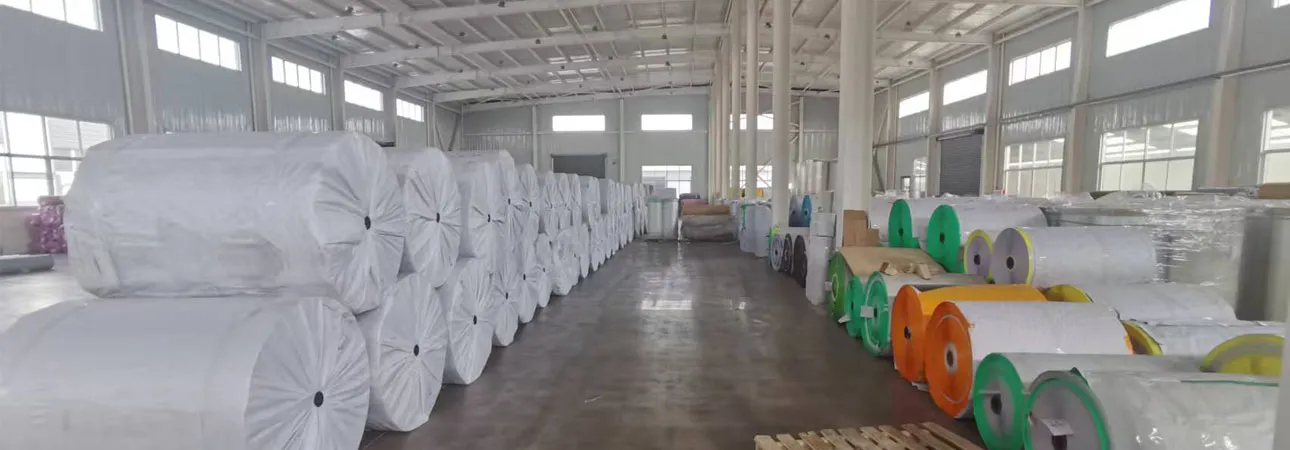
Pulivk offers full in‑house production with calendering, printing, and split‑packaging lines to control quality and reduce material risks—ask their technical team for lab reports if you require formaldehyde or VOC confirmation.
PVC film itself is not a common source of formaldehyde; concerns usually arise from adhesives, coatings, or bonded substrates. With careful product selection, certified testing, and proper ventilation, PVC film applications can meet indoor air quality expectations while delivering durable decorative performance.