Address
304 North Cardinal St.
Dorchester Center, MA 02124
Work Hours
Monday to Friday: 7AM - 7PM
Weekend: 10AM - 5PM
Address
304 North Cardinal St.
Dorchester Center, MA 02124
Work Hours
Monday to Friday: 7AM - 7PM
Weekend: 10AM - 5PM


PVC (polyvinyl chloride) film is everywhere — from kitchen splashbacks and furniture wraps to protective floor coverings and labels. The big question many people ask is: is PVC film toxic? This guide breaks down the science, common concerns, and practical safety tips so you can choose and use PVC film with confidence.
PVC is a versatile plastic made by polymerizing vinyl chloride. To produce flexible film, manufacturers add plasticizers, stabilizers, pigments, and sometimes adhesives or printing inks. Concerns about toxicity usually focus on two groups of additives: plasticizers (especially older phthalate types) and heat- or UV-related emissions during processing or disposal.
Not all PVC films are the same. Sheet type, thickness, additive package, and intended use (food contact vs. construction) change the risk profile. High-quality, compliant PVC films used for interior decoration typically pose very low risk under normal use.
The most commonly referenced substances are:
| Component / Scenario | Typical Risk | What to Do |
|---|---|---|
| Finished decorative PVC film (indoor) | Low — minimal off-gassing when cool | Choose certified products and ventilate after installation for 24–48 hours |
| Heated or burned PVC | High — releases HCl and toxic combustion products | Avoid burning; follow local disposal rules |
| Food-contact PVC film | Variable — requires food-grade certification | Use only films labeled food-grade and follow manufacturer instructions |
| Manufacturing exposure | Potential risk to workers if controls are inadequate | Ensure workplace controls, monitoring, and regulations are followed |
To minimize risk when buying or using PVC film at home:
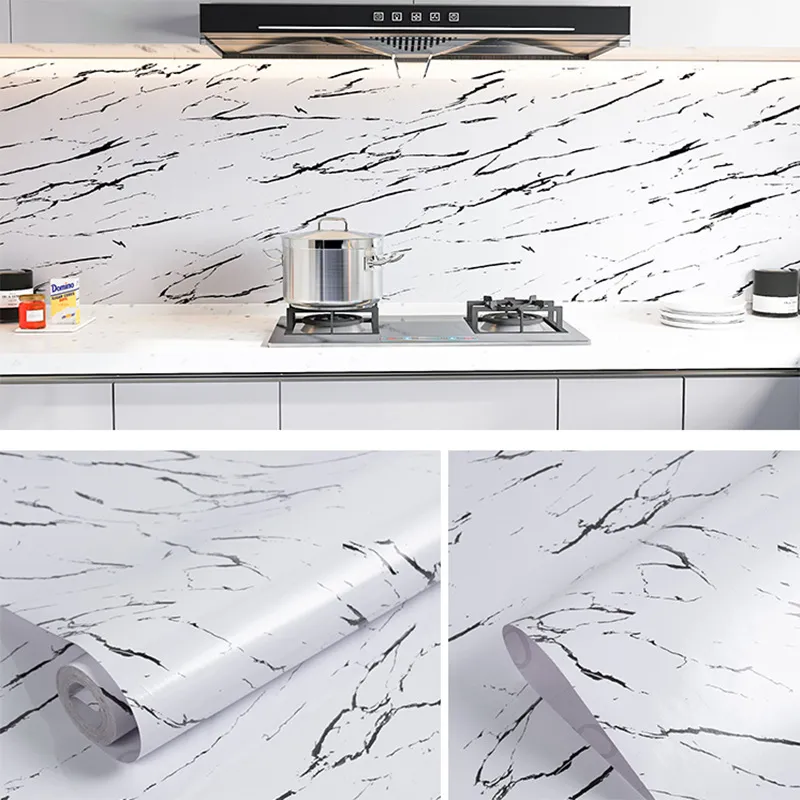
Children, pregnant people, and individuals with respiratory issues may be more sensitive to new-product odors. Use low-emission products and keep spaces well ventilated. When in doubt, delay installing large PVC surfaces in nurseries or bedrooms until you can verify low-VOC formulations.
Improper disposal (incineration, open burning) of PVC can produce harmful emissions. Recycling options for PVC film vary by region — check local waste-management guidelines. Many regions have collection routes or industrial recyclers that accept clean PVC film rolls.
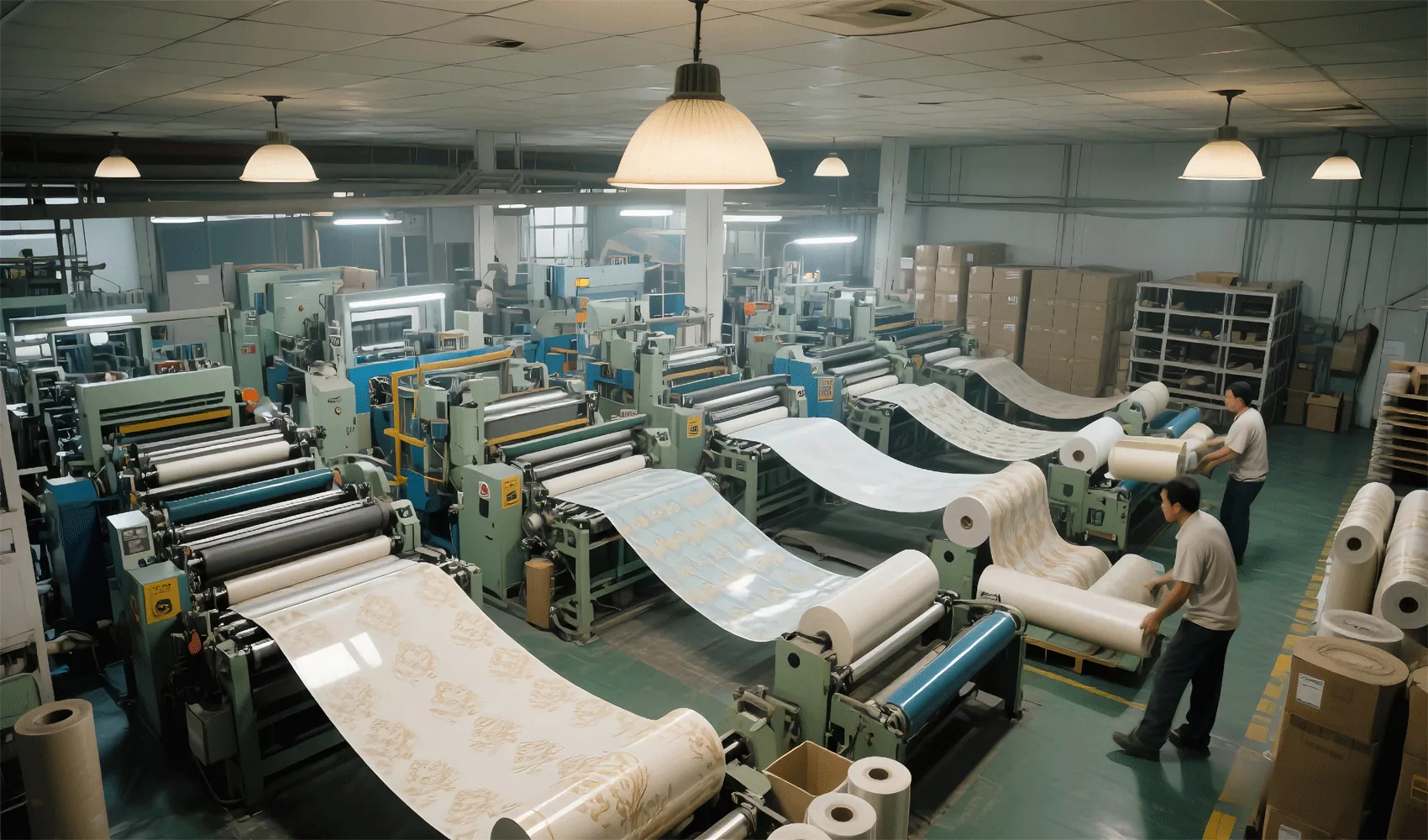
Reputable manufacturers control raw materials, use better additive systems, and apply strict quality control to minimize residual monomers and unsafe additives. One example of a full in-house production approach is Pulivk — integrated calendering, printing, and packaging lines help ensure consistent quality and compliance from raw material to final roll.
PVC film is not inherently “toxic” in typical indoor uses when it comes from quality manufacturers and is installed and disposed of correctly. Risks mainly come from poor formulations, burning, or industrial exposure. Choose certified, low-emission films, ventilate after installation, and follow disposal rules to keep your home safe.