Address
304 North Cardinal St.
Dorchester Center, MA 02124
Work Hours
Monday to Friday: 7AM - 7PM
Weekend: 10AM - 5PM
Address
304 North Cardinal St.
Dorchester Center, MA 02124
Work Hours
Monday to Friday: 7AM - 7PM
Weekend: 10AM - 5PM


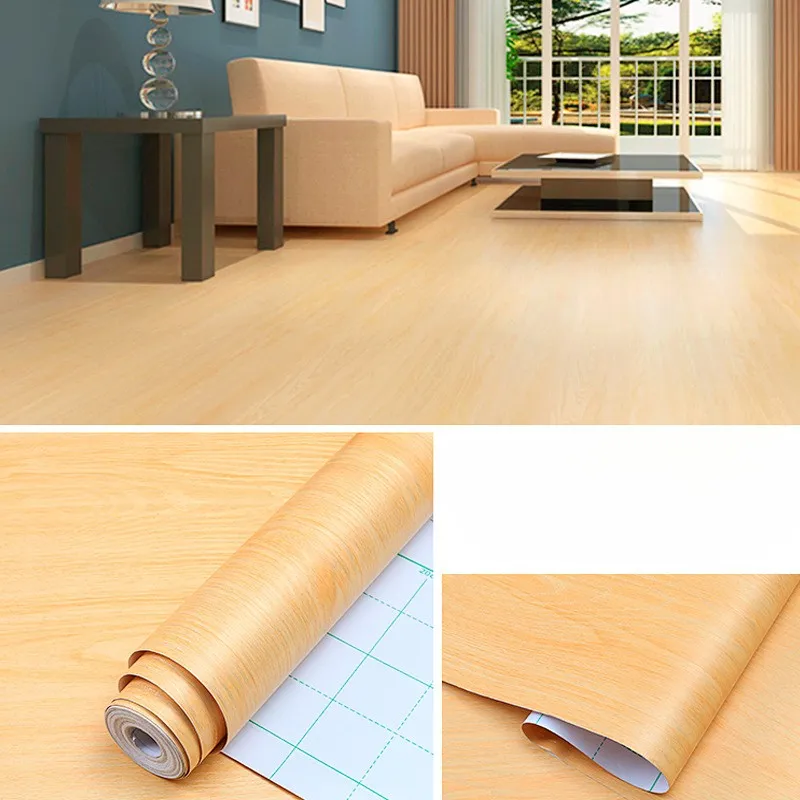
PVC film is a popular, cost-effective choice for flooring, furniture wraps, wall coverings and protective layers—but over months or years many users notice a change in color. Understanding why PVC film discolors and how to prevent it helps you extend the life and appearance of your surfaces.
Discoloration in PVC film is rarely a single-factor problem. Several environmental and material-related causes often act together:
Ultraviolet rays break down pigments and plasticizers in PVC over time, causing fading, yellowing or uneven color shifts—especially in areas near windows or under direct light.
High temperatures (from heaters, ovens, or direct sunlight) accelerate chemical reactions inside the film. Oxidation can lead to yellowing and loss of gloss.
Exposure to household cleaners, solvents, oils, or nicotine can react with surface coatings or dyes, producing blotches, stains or a cloudy appearance. Kitchen and bathroom applications are particularly vulnerable.
Lower-quality PVC or unstable colorants/ plasticizers may migrate or degrade more quickly. Manufacturing residues left on the film can also accelerate color shifts.
Airborne pollutants, soot and indoor smoke (including cooking fumes) can deposit on the film surface and cause gradual darkening or staining.
Identifying the pattern helps determine the root cause:
| Cause | Typical Sign | Preventive Action |
|---|---|---|
| UV / Sunlight | Fading, yellowing at exposed edges | Use UV-stabilized film; apply window film or shades |
| Heat / Oxidation | Yellowing, loss of flexibility | Avoid high temp exposure; choose high-temp-rated films |
| Chemical Exposure | Blotches, surface haze | Clean gently with mild soap; avoid solvents |
| Low-quality additives | Uneven discoloration, early aging | Select films with proven stabilizers and QC records |
To maximize color stability, follow these practical steps:
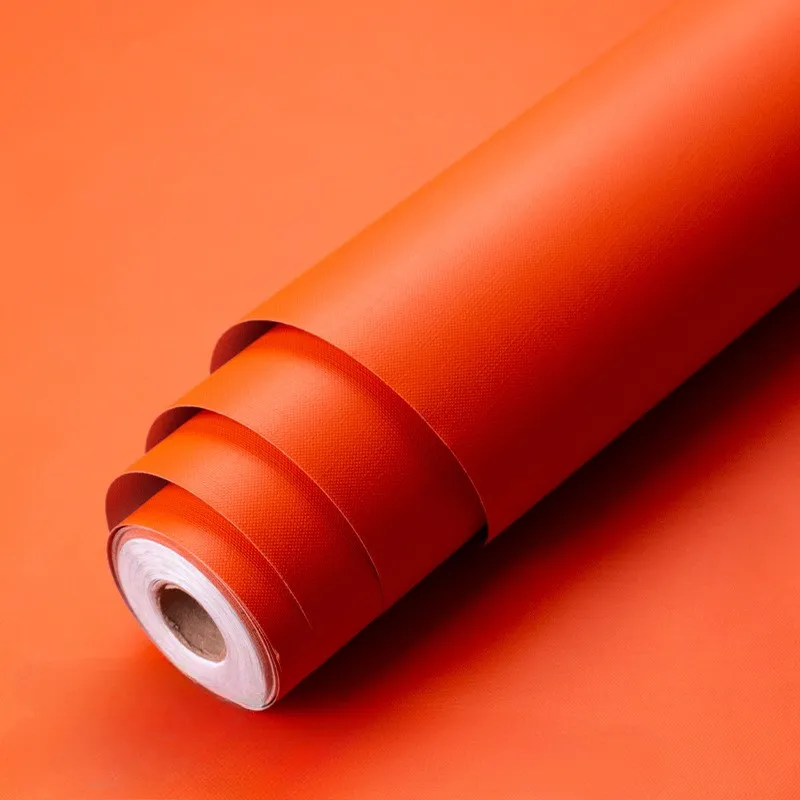
1. Remove loose dust with a soft microfiber cloth. 2. Mix warm water with a mild liquid soap. 3. Gently wipe the surface—do not scrub. 4. Rinse with clean water and dry with a soft towel. 5. For stubborn marks, use a diluted non-abrasive cleaner and spot-test first.
Even with careful maintenance, some films may reach the end of useful life. Consider replacement if you observe permanent color change, cracking, loss of adhesion, or brittle texture.
For reliable, long-lasting PVC films manufactured with full in-house control, consider products from Pulivk—our production line includes calendering, printing and split-packaging to ensure consistent quality and color stability.
Understanding the causes of PVC film color changes helps you choose the right film and maintain it properly. Opt for UV-resistant formulations, avoid harsh chemicals, and follow gentle cleaning routines to keep surfaces looking fresh for years.