Address
304 North Cardinal St.
Dorchester Center, MA 02124
Work Hours
Monday to Friday: 7AM - 7PM
Weekend: 10AM - 5PM
Address
304 North Cardinal St.
Dorchester Center, MA 02124
Work Hours
Monday to Friday: 7AM - 7PM
Weekend: 10AM - 5PM


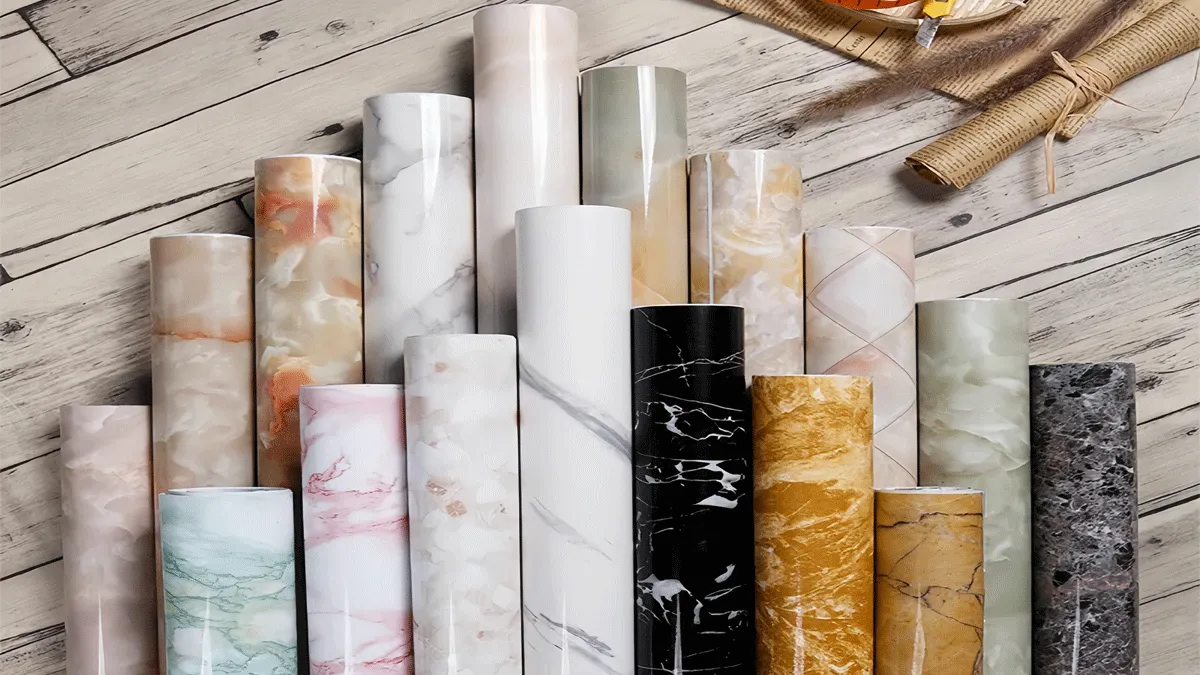
PVC protective film is widely used for surface protection during shipping, renovation, and manufacturing. Homeowners, contractors, and product manufacturers often ask: is PVC protective film eco-friendly? This guide breaks down the materials, environmental impacts, recycling options, and practical choices so you can decide when PVC film is a responsible option.
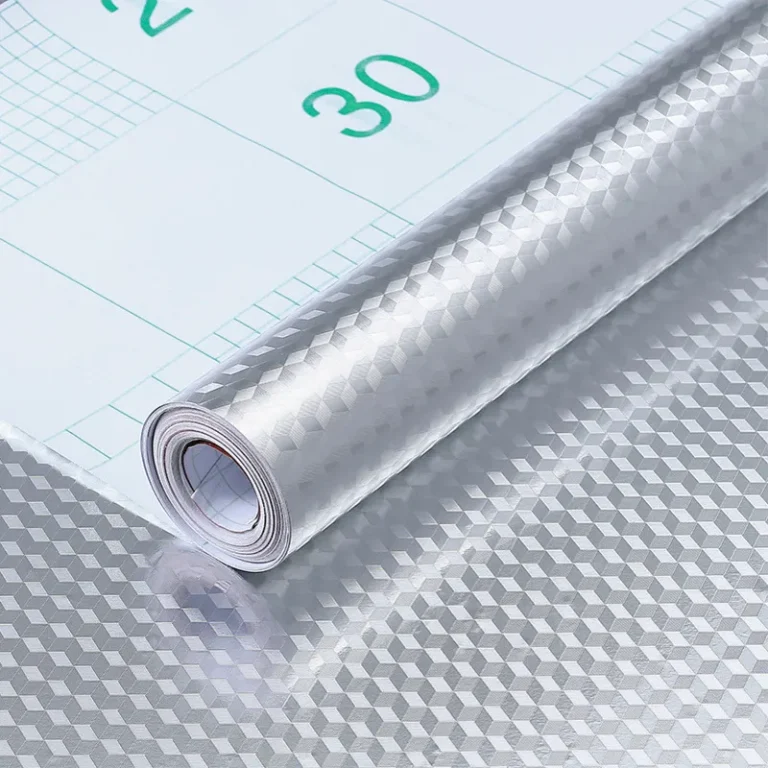
PVC protective film is a thin layer made from polyvinyl chloride (PVC) that shields surfaces like furniture, laminated panels, glass, and stainless steel from scratches, dust, and moisture. It can be glossy, matte, or textured and sometimes includes adhesive layers for temporary application.
Raw material and chlorine content: PVC contains chlorine (about 56–57% by weight), which influences how it behaves in production, disposal, and incineration. Chlorine makes PVC more challenging than some other plastics when it comes to high-temperature breakdown.
Additives and plasticizers: Many PVC films use plasticizers (historically phthalates) and stabilizers to achieve flexibility and durability. These additives can raise health and environmental concerns if they leach out or are released during end-of-life processing. However, modern formulations increasingly use phthalate-free and safer stabilizers.
Production footprint: PVC manufacturing and calendering consume energy and sometimes generate emissions. The environmental profile depends on raw material sourcing, energy mix, and the manufacturer’s process controls.
PVC is technically recyclable and is assigned recycling code 3. Mechanical recycling can convert clean, single-type PVC films into new products if contamination is controlled. However, mixed plastics, adhesives, or heavy contamination reduce recyclability and may push the film to landfill or incineration streams.
| Material | Recyclability | Common Uses | Environmental Note |
|---|---|---|---|
| PVC | Mechanical recycling possible (code 3) | Surface protection for furniture, appliances, panels | Durable but needs careful disposal; additives affect safety |
| PE (polyethylene) | Widely recyclable (codes 2/4) | Temporary covers, packaging | Lower chlorine risks; easier recycling streams |
| PET | Highly recyclable (code 1) | Protective overlays, some adhesive films | Good recycling infrastructure but different performance |
PVC film can be a responsible option when the application requires strong, durable protection for valuable surfaces during transit or construction. Choose PVC solutions if:
– The film is used temporarily and returned to a controlled waste stream after use.
– The product is manufactured with phthalate-free plasticizers and low-VOC adhesives.
– The supplier provides information about recyclability or take-back programs.
Buy quality, thin but durable film: Thinner films with adequate performance use less material and generate less waste. High-quality films resist tearing and therefore reduce replacement waste.
Ask suppliers about additives and certificates: Request material safety data, confirmation of phthalate-free formulations, and any environmental certifications. Manufacturers controlling the full production chain tend to offer more consistent documentation.
Reuse and recover: Where practical, reuse protective film for multiple projects. For industrial users, set up collection and sorting to enable mechanical recycling.
If recyclability and low toxicity are top priorities, consider polyethylene (PE) or PET-based protective films. These materials often have simpler recycling pathways. For some short-term protective needs, reusable textile covers or cardboard protection may also be viable.
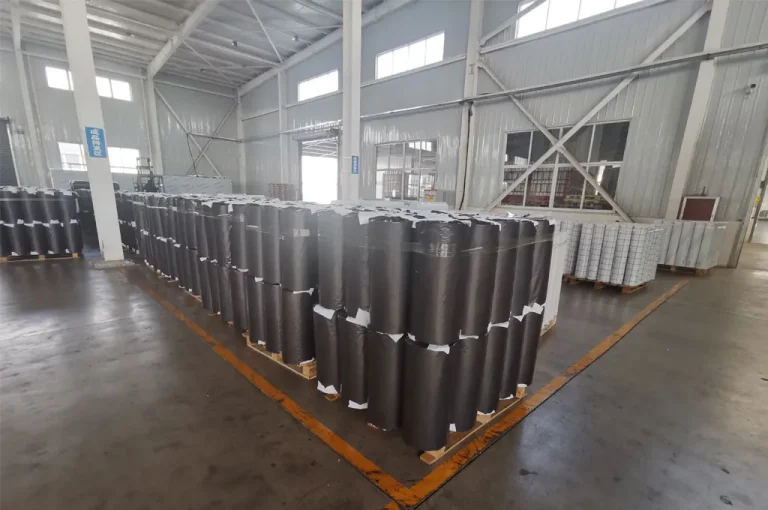
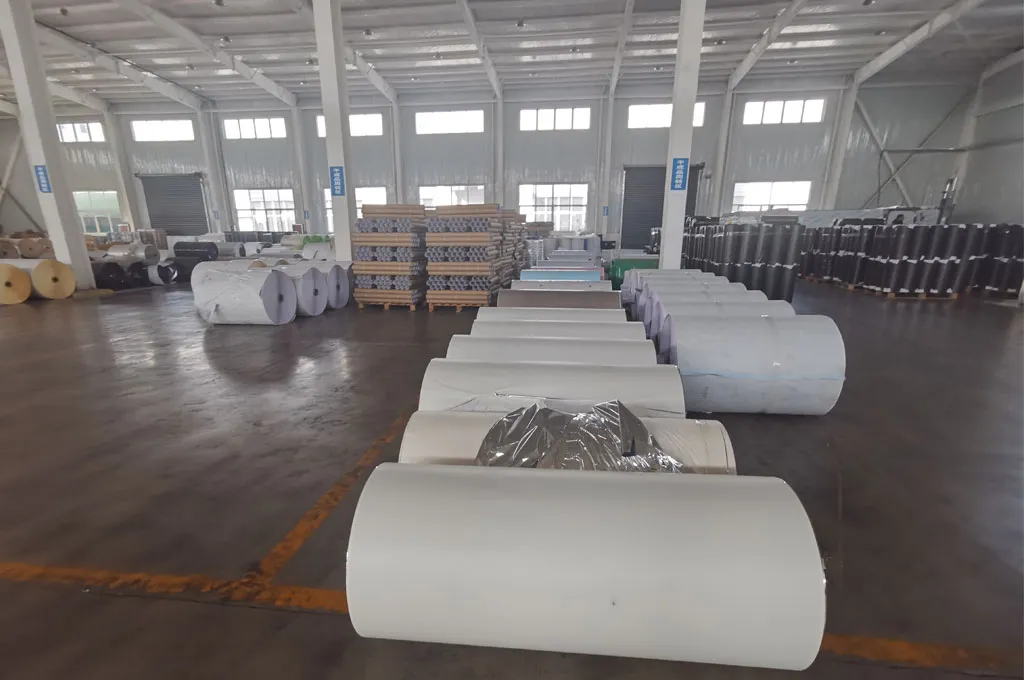
Manufacturers with full in-house production—from calendering to printing and split-packaging—can better control material choices and quality. When a factory manages raw material sourcing and processing, it can reduce additive risks, stabilize supply, and support tailored recyclable formulations. For example, Pulivk combines calendering and split-packaging capabilities with rigorous QC to offer tailored PVC film solutions and export-ready quality.
Deciding whether PVC protective film is eco-friendly depends on specific product formulations, local recycling availability, and end-of-life handling. Look for low-toxicity additives, clear recycling instructions, and supplier transparency. For many industrial and construction uses, PVC remains an effective protective film when chosen and managed responsibly.
Need specifics? Contact the manufacturer or supplier to review technical sheets and disposal guidance before placing large orders.