Address
304 North Cardinal St.
Dorchester Center, MA 02124
Work Hours
Monday to Friday: 7AM - 7PM
Weekend: 10AM - 5PM
Address
304 North Cardinal St.
Dorchester Center, MA 02124
Work Hours
Monday to Friday: 7AM - 7PM
Weekend: 10AM - 5PM


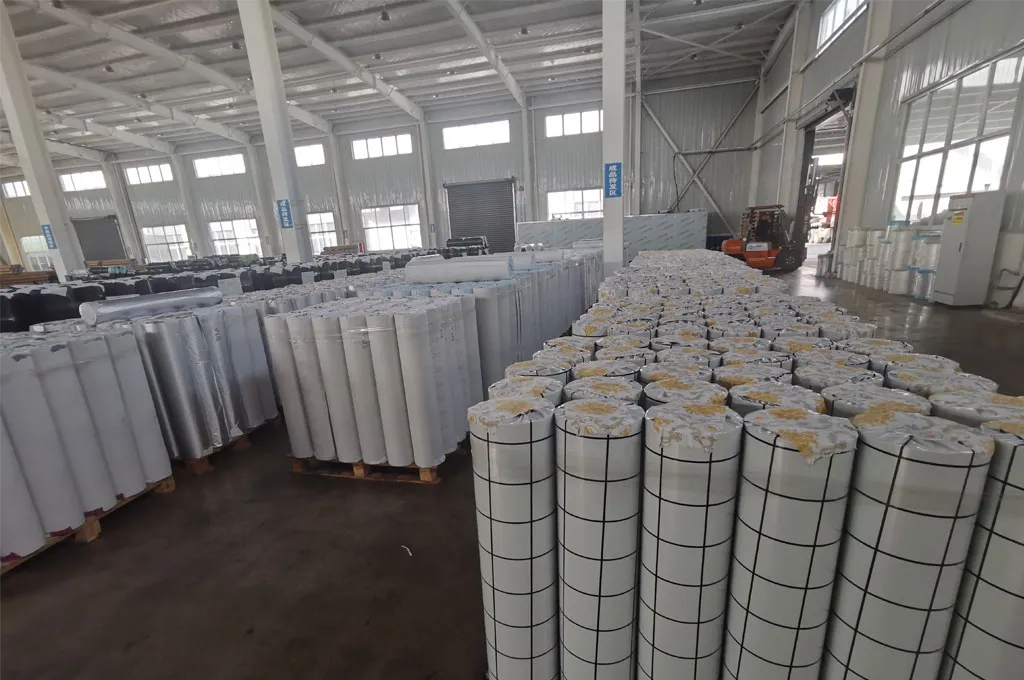
Silicone release film is a thin, coated substrate designed to provide a clean, reliable release surface for adhesive systems, lamination, and industrial processing. Used across packaging, electronics, composites, and medical manufacturing, this specialized film protects tacky surfaces and enables efficient converting and handling of pressure-sensitive materials.
Silicone release film typically consists of a polyester (PET), polypropylene (PP), or paper backing treated on one or both sides with a silicone-based release coating. The silicone creates a low-surface-energy layer that resists adhesive bonding, allowing pressure-sensitive adhesives (PSAs), hot melts, and tacky materials to be removed cleanly and repeatedly.
Common backing materials include PET for dimensional stability, BOPP for economy and clarity, and release papers for cost-sensitive uses. Silicone coatings vary by chemistry and application: fluorosilicone blends for high temperature, RTV-style silicones for general release, and crosslinked siloxanes for durability.
Reliable Release: Consistent peel values across batches improve converting yield and reduce waste. Heat Resistance: Many silicone systems withstand elevated process temperatures used in lamination and curing. Other advantages include moisture resistance, low surface energy, and compatibility with a wide range of adhesives.
Manufacturers value its repeatable release performance for die-cutting, label liners, protective tapes, and composite vacuum bagging. Reduced contamination and predictable peel forces streamline automated lines and help maintain product quality.
Silicone release films are used in:
In packaging, silicone release liners enable high-speed label dispensing. In aerospace and automotive composite shops, release films are paired with breather layers to ensure clean debonding after autoclave cycles.

| Property | Typical Range | Unit |
|---|---|---|
| Backing Thickness | 12–75 | μm |
| Silicone Coat Weight | 0.5–5.0 | g/m² |
| Peel Force (typical) | 10–500 | g/25mm |
| Max Service Temp | 120–260 | °C |
Match film selection to your process: choose PET backings for dimensional accuracy and high-temperature applications, BOPP for cost-efficient label liners, and specialty papers for rotogravure or flexo converting. Consider silicone coat weight, available release values, substrate compatibility, and environmental exposure (UV, moisture, heat).
Start with a lab trial to measure peel and residue. For medical or food-contact applications, request regulatory and traceability documentation. For custom sizes or print, work with manufacturers that offer OEM support and in-house calendering and printing lines.
Store rolls in a cool, dry place away from direct sunlight. Avoid mechanical damage to edges to maintain consistent unwind. When laminating, control nip pressure and temperature to prevent silicone transfer onto adhesive surfaces.
If adhesives pick up residue, consider lower coat weight or a different silicone chemistry. If release is too high, test higher silicone coat weight or a fluorinated option. Monitor line speeds and web tensions for best performance.
Silicone release films are largely inert, but disposal should follow local regulations—especially for films with adhesive contamination. Many films are recyclable depending on backing material and local facilities; PET-backed release liners can be integrated into PET recycling streams where separation and cleaning are possible.
Q: Can silicone transfer to adhesives?
A: Properly formulated release grades minimize transfer, but heavy coatings or wrong chemistry can cause pickup—testing is essential.
Q: Are silicone release films reusable?
A: In some protective film applications yes, but liner reuse depends on contamination and adhesive exposure.
For OEM customization, tailored coat weights, and full in-house production capabilities, Pulivk provides flexible manufacturing and strict quality control—contact them at https://pvcfilmtec.com/ for samples and technical support.
Explore technical datasheets for silicone chemistries, comparative studies on release liners, and case studies from packaging and composite industries to refine material choice and optimize process parameters.