Address
304 North Cardinal St.
Dorchester Center, MA 02124
Work Hours
Monday to Friday: 7AM - 7PM
Weekend: 10AM - 5PM
Address
304 North Cardinal St.
Dorchester Center, MA 02124
Work Hours
Monday to Friday: 7AM - 7PM
Weekend: 10AM - 5PM



Clear PVC film thickness determines performance: from lightweight packaging wraps to heavy-duty protective films. This guide breaks down common thickness ranges, typical applications, and quick selection tips so you can pick the right clear PVC film for your project.
Thickness affects strength, flexibility, clarity, printability, and cost. Thinner films are lightweight and economical but tear more easily; thicker films add protection and rigidity but increase material cost and reduce conformability. Choosing the correct thickness balances performance and budget for end-use requirements.
The table below summarizes commonly produced clear PVC film thickness bands and practical uses across packaging, decorative, and protective applications.
| Thickness (µm) | Thickness (mm) | Typical Uses | Key Properties |
|---|---|---|---|
| 20–50 | 0.02–0.05 | Light packaging, single-use wraps, label overlays | Very flexible, high transparency, low tear resistance |
| 50–150 | 0.05–0.15 | Laminates, printed films, wallpapers, protective covers | Good balance of clarity and strength; printable |
| 150–500 | 0.15–0.50 | Floor stickers, heavy protective film, some self-adhesive products | Durable, tear-resistant, better abrasion resistance |
| 500–1500+ | 0.50–1.50+ | Industrial protection, temporary surface protection, structural panels | Rigid or semi-rigid, high protection, reduced conformability |
Packaging & Single-Use Wraps: 20–50 µm. Choose ultra-clear grades for visual merchandising and low-cost protection.
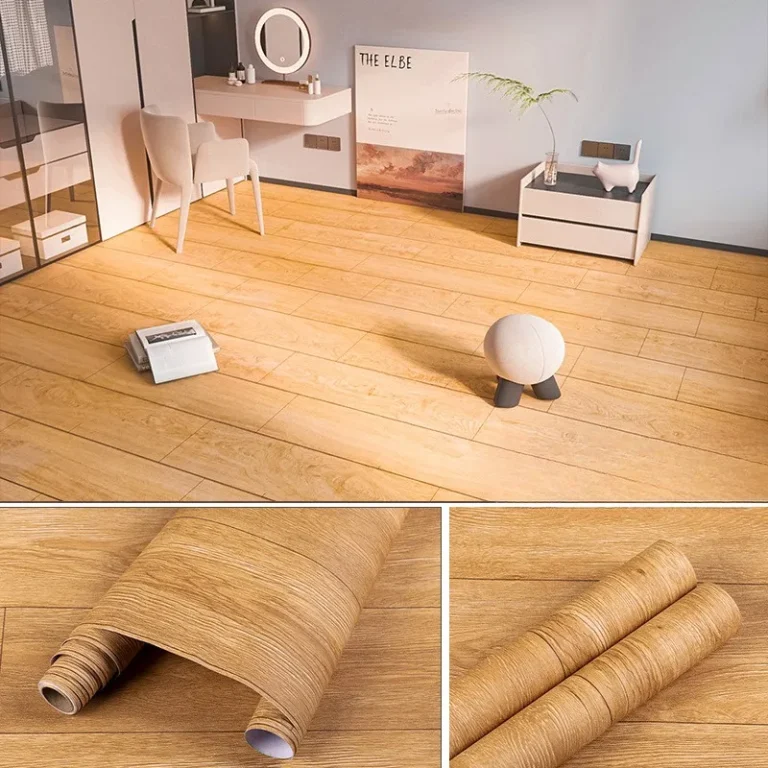
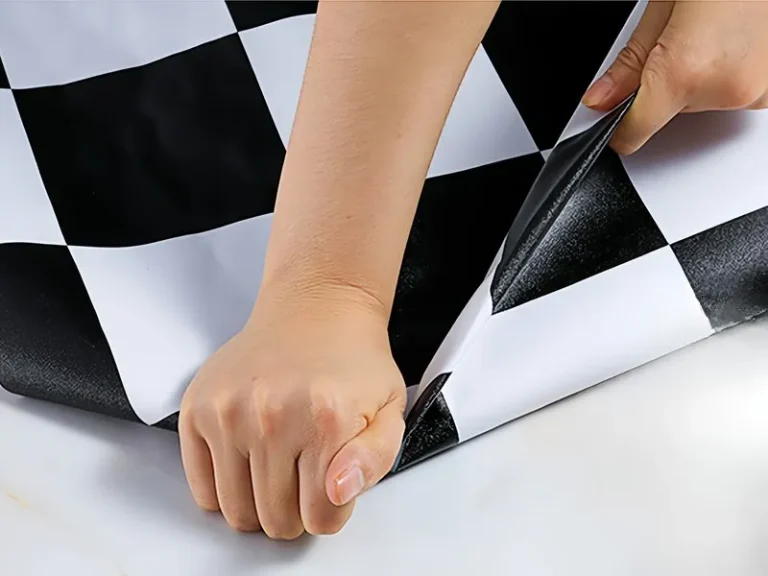
Printed Films & Wallpapers: 80–150 µm. This range supports good ink adhesion and dimensional stability for cutting and application.
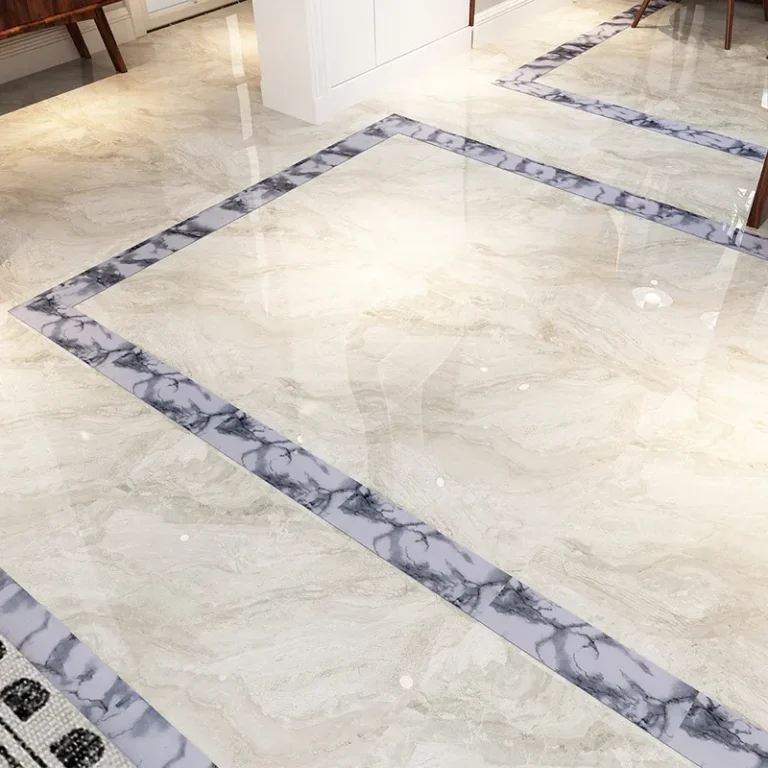
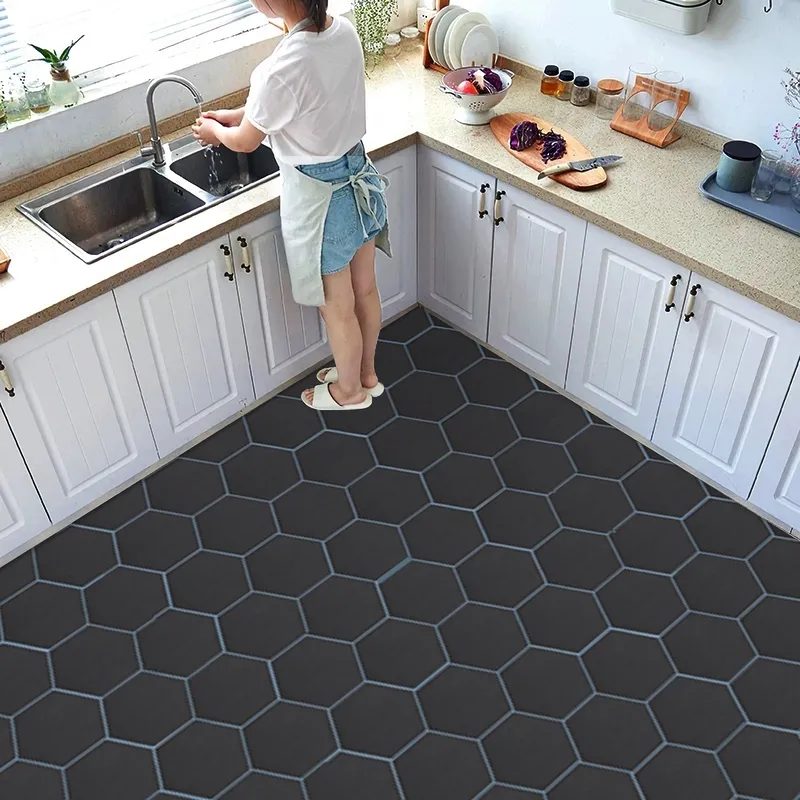
Floor & Skirting Films: 150–400 µm. For anti-slip, abrasion resistance, and repeated foot traffic protection, opt for heavier gauges.
Protective Sheets & Industrial Uses: 500 µm and above. When impact resistance or long-term surface protection is required, thicker films perform best.
1. Test samples: Always request a sample roll or trimmed piece to evaluate clarity, hand-feel, and adhesion before ordering large quantities.
2. Consider print and coating: If you need high-quality printing, specify a printable grade or pre-treated surface.
3. Check flexibility vs. strength: Thin films conform better to contours; thicker films resist punctures and abrasion.
4. Factor cost: Thicker films cost more per square meter—match thickness to the service life you need.
Pulivk produces clear PVC films across the thickness spectrum with in-house calendering, printing, and split-packaging lines—supporting custom widths, prints, and cut-to-length rolls to suit private-label and OEM requirements.
Ask about UV stabilizers, anti-static coatings, anti-slip textures, and food-contact compliance if your application demands specific certifications. Additives and surface treatments change both appearance and performance; clarify these requirements up front.
| Use Case | Recommended Thickness | Why |
|---|---|---|
| Retail packaging | 20–50 µm | Cost-effective, clear display |
| Decorative wallpapers & laminates | 80–150 µm | Printable, durable for installation |
| Floor film & skirting | 150–400 µm | Abrasion and impact resistance |
Final note: match film thickness to the application’s mechanical demands and expected lifetime. Request technical datasheets and samples where possible to confirm clarity, shrinkage, and adhesion before placing production orders.