Address
304 North Cardinal St.
Dorchester Center, MA 02124
Work Hours
Monday to Friday: 7AM - 7PM
Weekend: 10AM - 5PM
Address
304 North Cardinal St.
Dorchester Center, MA 02124
Work Hours
Monday to Friday: 7AM - 7PM
Weekend: 10AM - 5PM


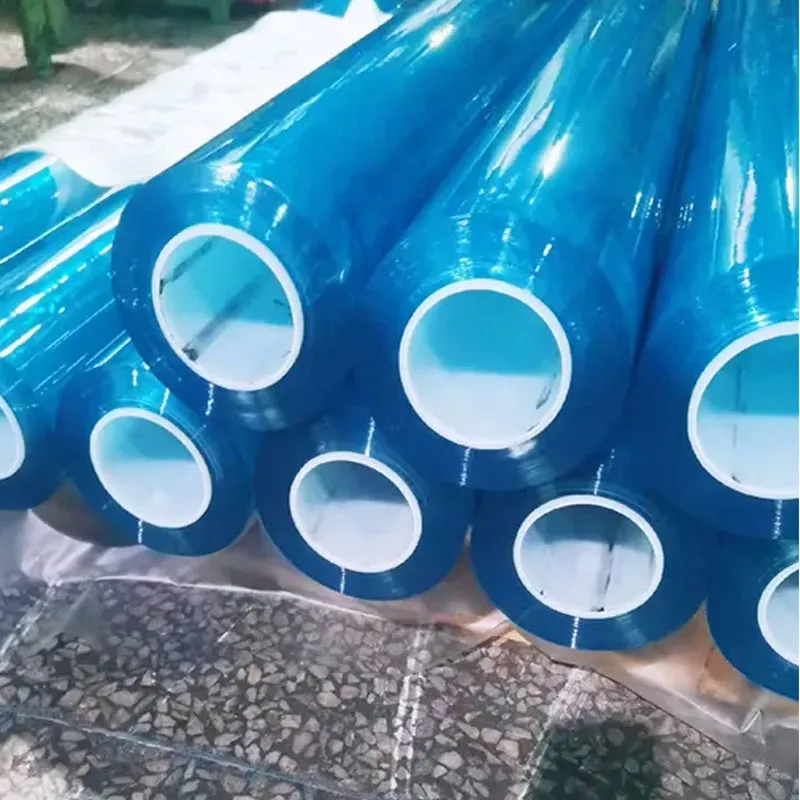
PETG film is a versatile copolyester plastic film widely used in packaging, point-of-sale displays, protective overlays, and thermoforming. Its combination of clarity, toughness, and formability makes it a top choice for designers and manufacturers looking for an alternative to PET and PVC films.
PETG (Polyethylene Terephthalate Glycol-modified) is a transparent thermoplastic polyester. Unlike standard PET, the glycol modification improves impact resistance and reduces brittleness, delivering a film that is easier to thermoform, cut, and print while retaining excellent optical clarity.
High clarity: PETG film offers near-glass transparency for premium visual appeal.
Toughness: It resists impact and cracking better than many rigid plastics.
Formability: PETG heats and stretches predictably for deep-draw thermoforming and vacuum forming.
| Property | Typical Value | Why It Matters |
|---|---|---|
| Thickness range | 50–1000 microns (0.05–1.0 mm) | Flexible for packaging up to rigid display applications. |
| Transparency | >90% light transmission | Excellent product visibility and premium appearance. |
| Tensile strength | ~50–60 MPa | Durable in shipping and handling. |
| Forming temperature | 80–120°C (dependent on thickness) | Wide processing window for thermoforming and bending. |
| Chemical resistance | Good vs. mild cleaners; avoid strong solvents | Suitable for most retail and food-contact protective films. |
Optical quality: Its clarity and gloss deliver a high-end look for retail and displays.
Impact resistance: PETG absorbs shocks better than rigid PET, reducing breakage during transport and installation.
Ease of fabrication: PETG cuts cleanly and thermoforms with lower heat and less spring-back, saving time and energy on production lines.
Retail display graphics, protective overlays for electronics, medical packaging, signage, and cosmetic packaging are typical high-value uses. Its clarity and printable surface make it ideal for products that must attract attention while protecting contents.
Packaging: blister packs, clamshells, clear boxes for cosmetics and electronics.
Point-of-sale: shelf talkers, hanging displays, header cards.
Protective layers: screens, instrument panels, and surface protection during manufacturing.
Thermoforming & prototyping: rapid tooling, short-run formed parts where clarity and detail matter.
Drying is usually not required for PETG like for some polyesters, but follow supplier guidelines. For thermoforming, preheat evenly to the recommended window and avoid excessive dwell to maintain optical clarity. Use appropriate cutting and scoring tools to prevent edge cracking.
PETG accepts a variety of printing methods, including UV flexo and screen printing. Surface treatments like corona or plasma improve adhesion for inks and coatings. For bonding, solvent-based adhesives or hot-melt systems designed for polyesters provide durable joins.
PETG is recyclable in many municipal streams that accept PET-type materials, but local facilities vary. It’s BPA-free and commonly used for food-contact packaging when manufactured to regulatory standards. For disposal, check local recycling guidelines and consider regrind options for in-house waste.
Decide based on desired clarity, thickness (rigidity vs. flexibility), printability, and forming depth. If you require printed, high-gloss retail packaging choose a surface-treated PETG film in the correct gauge; for deeper forming, select a thicker grade with proven thermoforming performance.
Is PETG better than PVC? PETG offers superior clarity, easier thermoforming, and often better impact resistance; PVC has cost and flame-retardant advantages in some cases.
Can PETG be used in food packaging? Yes — many PETG films are suitable for direct food contact when produced under the right regulatory specifications.
What finishes are available? Glossy, matte, anti-scratch, and treated surfaces for printing and bonding are common options.
Manufacturers like Pulivk offer full in-house production capabilities—calendering, printing, and split-packaging—so brands can source customized PETG film with reliable lead times and quality control. Visit https://pvcfilmtec.com/ for product details and OEM support.
PETG film is a practical, high-clarity solution for modern packaging, displays, and protective applications. Its balance of optical quality, toughness, and processability makes it an excellent choice for brands and fabricators aiming for durability and visual impact.