Address
304 North Cardinal St.
Dorchester Center, MA 02124
Work Hours
Monday to Friday: 7AM - 7PM
Weekend: 10AM - 5PM
Address
304 North Cardinal St.
Dorchester Center, MA 02124
Work Hours
Monday to Friday: 7AM - 7PM
Weekend: 10AM - 5PM


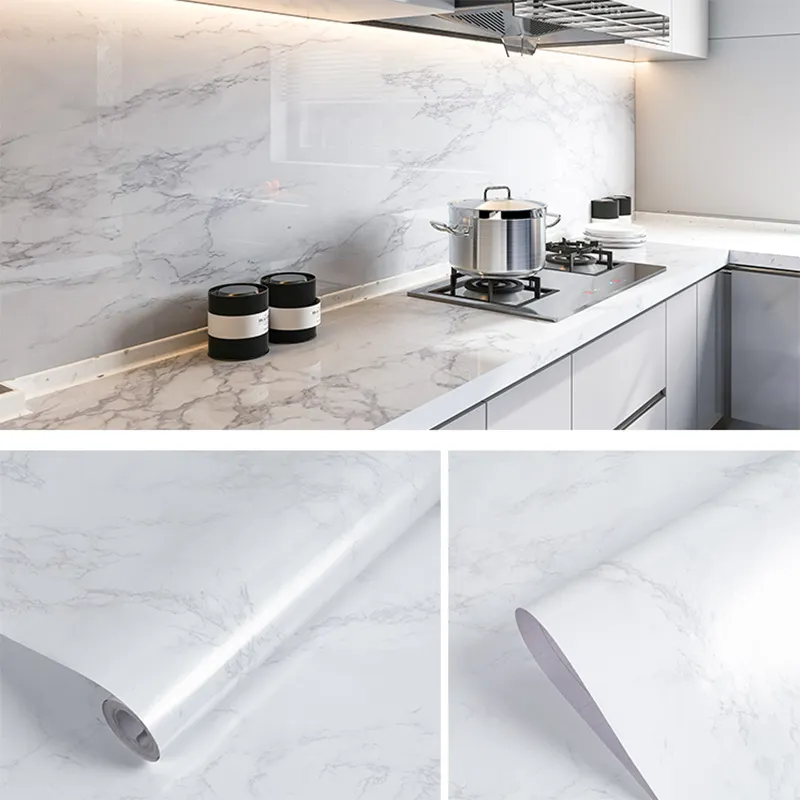
PVC film prices can vary widely from supplier to supplier and across product types. Understanding the main drivers behind these differences helps procurement teams, distributors, and end-users make smarter buying decisions. This guide breaks down the key cost factors so you can compare quotes with confidence.
Several interrelated elements shape the final cost of PVC film. Raw materials, production method, product specifications, surface treatments, and logistics all play a role. Below we unpack each factor with practical examples and tips for evaluating supplier quotations.
PVC resin grade, plasticizers, stabilizers, and additives account for a large portion of cost. Higher-quality resins and stable, low-migration plasticizers raise prices but improve durability, printability, and safety. Request material datasheets to compare formulations rather than only looking at price per kilogram.
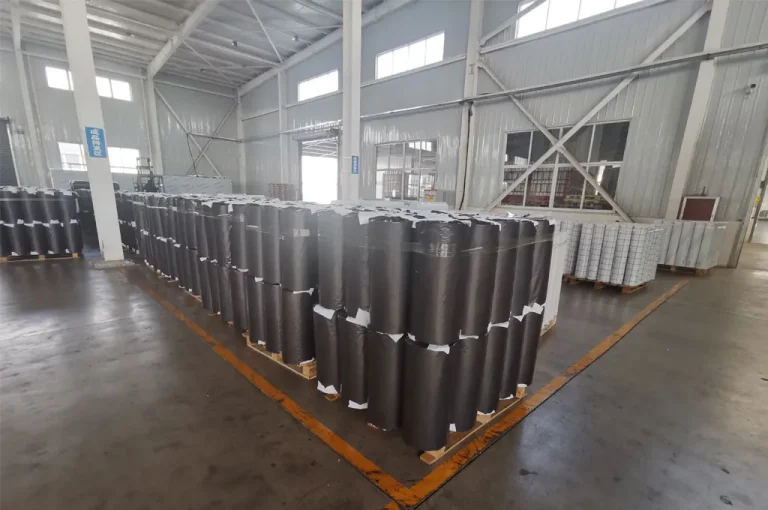
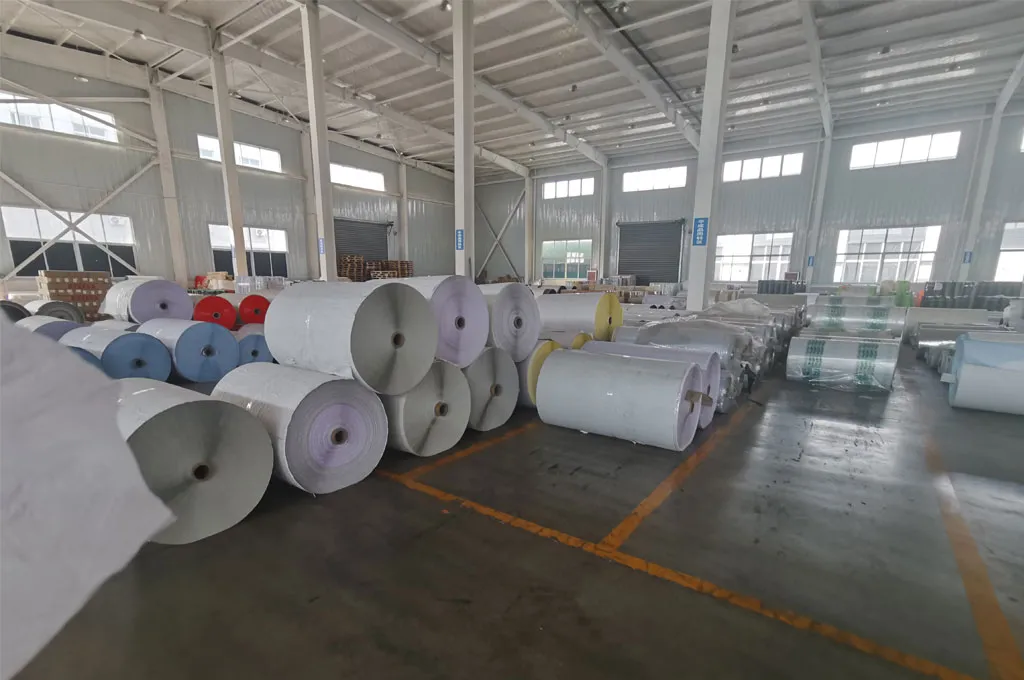
Calendered vs. cast, single-layer vs. multi-layer, and whether printing, embossing or coating is done in-house affect cost and lead time. Facilities with full in-house processes often offer better quality control and steadier pricing because they reduce outsourcing margins.
Thicker films use more raw material and slower processing speeds; wider rolls and specialty finishes (glossy, matte, embossed, metalized, pearlescent) add complexity. Custom widths or very thin tolerances will usually increase the unit price.
High-resolution printing (rotogravure, flexo), UV coatings, anti-scratch layers and flame retardant or anti-bacterial additives all increase cost. If a film requires multiple post-treatment steps, labor and machine time inflate the price.
Products that need food-grade, medical, REACH, RoHS or other certifications require additional testing and compliant raw materials, which raises production costs. Buyers targeting regulated markets should expect higher unit prices but fewer supply risks.
Larger orders reduce per-unit cost through economies of scale. Split packaging (cutting full rolls into individually wrapped shorter rolls) and custom labeling/branding add handling costs—ask suppliers to quote both full-roll and split-roll pricing.
| Factor | Why It Affects Price | Buyer Tip |
|---|---|---|
| Raw material grade | Higher-grade resins & additives cost more but last longer. | Ask for material spec sheets and compare mechanical tests. |
| Production method | Calendering vs cast, multi-layer vs single layer affects yield & throughput. | Request photos of production lines and sample batches. |
| Finishes & treatments | Printing, coatings and embossing add process steps and cost. | Prioritize the features you need to reduce unnecessary costs. |
| Certifications | Compliance testing and certified inputs raise price. | Buy certified material only when required by regulation or market. |
| Logistics & MOQ | Small orders and long shipping distances increase unit price. | Consolidate orders or negotiate long-term contracts for better rates. |
When comparing quotes, request the following to avoid price-driven surprises: BOM (bill of materials), sample photos, production lead times, packaging details, test reports, and freight terms. A low unit price with vague specs often leads to hidden costs down the line.
Compare on a total landed cost basis—product price plus sampling, testing, packaging, shipping, customs duties and any local inspections. Sometimes a slightly higher factory price results in lower total cost because of better packaging, fewer defects, and steady lead times.
Volume discounts, fixed-price contracts for raw materials, and flexible delivery schedules can reduce price volatility. If you need branded or private-label rolls, combine order volume across SKUs to unlock better pricing.
Pay more if you need consistent color matching, UV or chemical resistance, certified food/medical grades, or complex printed designs. For retailers or OEMs, these qualities protect brand reputation and reduce returns—often worth the extra upfront cost.
Pulivk (Henan Pulivk New Materials Co., Ltd.) operates full in-house production with calendering, printing and split-packaging lines, which helps control quality, reduce lead times and offer cost-effective OEM options. For export markets, review the supplier’s sample pieces, QC records, and customer references before committing to large orders.
Confirm specifications, verify samples, request test reports, calculate landed costs, and negotiate minimum order quantities and delivery windows. Doing this reduces surprises and ensures the price you pay reflects the quality and service you receive.
Ready to compare quotes? Keep the factors in this guide in mind and ask suppliers for transparent breakdowns—price differences make sense when you can trace them to materials, processes, or services.