Address
304 North Cardinal St.
Dorchester Center, MA 02124
Work Hours
Monday to Friday: 7AM - 7PM
Weekend: 10AM - 5PM
Address
304 North Cardinal St.
Dorchester Center, MA 02124
Work Hours
Monday to Friday: 7AM - 7PM
Weekend: 10AM - 5PM



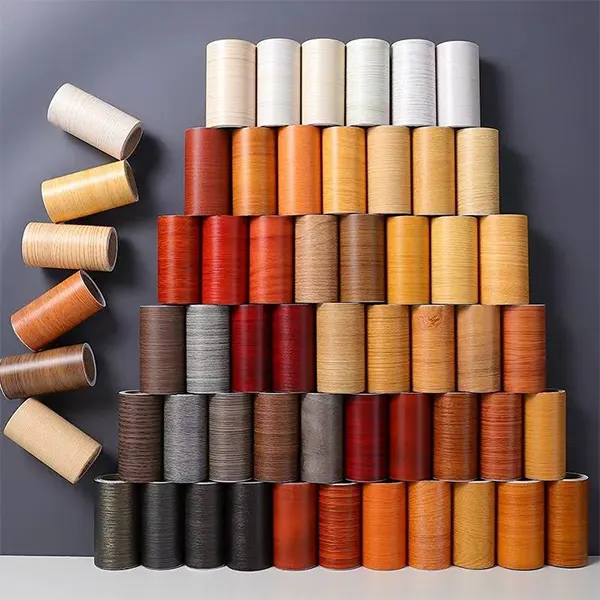
PVC film is everywhere—from decorative wood-grain wraps and kitchen anti-oil films to floor protection and packaging. But if you’ve worked with manufacturers or importers, you’ve probably noticed just how many certificates and tests are required before a product can be shipped or sold. This article explains the practical, regulatory, and commercial reasons why PVC film faces strict certification requirements.
PVC formulations can contain additives (plasticizers, stabilizers, pigments) that may pose risks if uncontrolled. Regulatory frameworks such as RoHS, REACH, and local food-contact standards require testing for heavy metals, phthalates, and other restricted substances. These rules reduce chronic exposure risks for consumers and ensure worker safety in production lines.
Many interior films must meet fire safety or low-VOC requirements for buildings, furniture, and transport interiors. Certifications such as ASTM or EN fire ratings and VOC emissions tests are common. Meeting those standards is essential for projects that require building-code compliance or public-space installations.
Export markets increasingly demand environmental documentation. REACH registration in the EU, extended producer responsibility (EPR) schemes, and import restrictions push manufacturers to demonstrate safe material composition and responsible supply chains. Certifications help prevent shipment delays and fines at customs.
Buyers—retailers, specifiers, and brands—require proof for recycle-content claims, low-impact formulations, or compliance with eco-labels. Verified reports and lab certificates translate into trust and wider distribution channels.
Certifications aren’t only about health or environment. Mechanical and optical tests (tensile strength, elongation, gloss, adhesion, colorfastness) ensure the film performs reliably in installation, printing, and end-use. For OEMs and contractors, consistent material behavior reduces rework and warranty claims.
Specifiers and retailers need predictable product lifecycles. Certifications document batch-to-batch quality and allow procurement teams to compare suppliers objectively. Third-party test reports are often mandatory for large volume contracts.
In many jurisdictions, sellers can be held liable for non-compliant products. Certificates provide legal evidence of due diligence. Insurance underwriters and legal teams frequently require up-to-date compliance records to underwrite large projects or cross-border shipments.
Below is a quick reference of typical certificates and what they verify:
| Certification / Test | Primary Focus | When It’s Required |
|---|---|---|
| RoHS / SVHC tests | Restricted substances (lead, cadmium, certain plasticizers) | Electronics, EU market, consumer goods |
| REACH / Chemical compliance | Substance registration & risk communication | EU importers and manufacturers |
| Food Contact Tests | Migration limits for packaging/food surfaces | Packaging, kitchen films |
| Fire / Flammability (ASTM / EN) | Ignition, spread, smoke | Construction, transport interiors |
| Mechanical / Physical tests | Tensile, elongation, adhesion, wear | All applications where durability matters |
For suppliers, investing in documented testing and quality systems shortens approval cycles and opens premium markets. For buyers, insisting on certificates mitigates supply chain risk. If you’re sourcing PVC film internationally, request recent lab reports, material declarations, and the manufacturer’s quality-control overview.
1. Ask for full test reports (not just certificates) showing batch numbers and testing dates. 2. Verify that tests were performed by accredited labs. 3. Align specifications early—agree on fire class, migration limits, color fastness, and tolerances before production. These steps reduce costly re-tests and delays.
Strict certification for PVC film is the result of intersecting priorities: consumer safety, environmental regulation, performance expectations, and commercial risk management. Suppliers who build a transparent, certified production chain earn faster approvals and broader market access. Pulivk can support clients with complete in-house production and QC capabilities to streamline certification and delivery.