Address
304 North Cardinal St.
Dorchester Center, MA 02124
Work Hours
Monday to Friday: 7AM - 7PM
Weekend: 10AM - 5PM
Address
304 North Cardinal St.
Dorchester Center, MA 02124
Work Hours
Monday to Friday: 7AM - 7PM
Weekend: 10AM - 5PM


PVC industrial film impact resistance is a critical performance metric for manufacturers, specifiers, and end-users who require durable protective, decorative, or functional films for floors, furniture, packaging, and industrial covers. This guide explains the main factors that determine impact performance, real-world benefits, common testing methods, and practical selection tips so you can match film grades to your application needs.
Impact resistance defines a film’s ability to absorb energy from a sudden load or hit without cracking, tearing, or permanently deforming. For industrial uses—such as protective floor films, automotive wrapping, skirting membranes, and heavy-duty packaging—high impact resistance extends service life, reduces maintenance, and prevents costly product damage during handling and transport.
The following are the primary technical and process variables that determine how well a PVC film withstands impacts:
Polymer formulation: Plasticizer type and loading, stabilizers, and impact modifiers control flexibility and toughness.
Film thickness: Thicker films generally provide higher impact energy absorption but may reduce conformability for complex surfaces.
Production method: Calendering vs. extrusion and multi-layer lamination affect internal stress, orientation, and the distribution of additives.
Surface treatments and coatings: Abrasion-resistant topcoats or reinforced laminates help prevent surface cracking after impact.
Temperature and environment: Cold or humid conditions can reduce ductility; formulations tailored for climate resilience perform better in extremes.
Below is a compact reference table showing common ranges for industrial PVC films. Values vary by formulation and test method; use this as a starting point when comparing suppliers.
| Property | Typical Range | Application Notes |
|---|---|---|
| Thickness | 50–800 μm | Protective films 50–150 μm; heavy-duty coverings 200–800 μm |
| Tensile Strength | 20–45 MPa | Higher strength for load-bearing wraps |
| Elongation at Break | 50–350% | Greater elongation improves impact absorption |
| Impact Resistance (Izod/Charpy equiv.) | Low–High (varies by modifier) | Select modified PVC for heavy-impact environments |
Manufacturers and labs use several standardized tests to quantify impact performance. Important ones include:
Izod or Charpy impact tests (not always directly comparable for thin films but helpful for lab-grade comparisons).
Dart drop tests to measure resistance to puncture and localized impacts, highly relevant for packaging films.
Cold impact testing to simulate performance at low temperatures—critical for outdoor and refrigerated applications.
Real-world simulation such as abrasion cycles, rolling loads, or repeated impact to evaluate lifecycle durability.
Key advantages when selecting films engineered for impact toughness include:
Reduced tear and puncture incidents during transport and installation.
Longer protective life on temporary coverings—lower replacement frequency and cost.
Improved safety in high-traffic facilities where shrapnel or cracking could create hazards.
Better performance in low-temperature applications when specially formulated for cold flexibility.
Match film specifications to the use case by balancing flexibility, thickness, and additives:
Protective floor film: prioritize high abrasion and impact resistance with moderate elongation for foot and trolley traffic.
Packaging and pallet wrap: choose films with excellent puncture resistance and appropriate elasticity to absorb drops.
Decorative/covering films: require surface durability and sometimes reinforced back layers to prevent cracking when struck.
Outdoor or cold environments: select formulations with cold impact modifiers and UV stabilizers.
Even the most impact-resistant film benefits from correct use: avoid sharp-edge contact during installation, use compatible adhesives to prevent embrittlement, and maintain recommended temperature ranges for application. For removable films, follow manufacturer timed removal windows to prevent residue and film tearing.
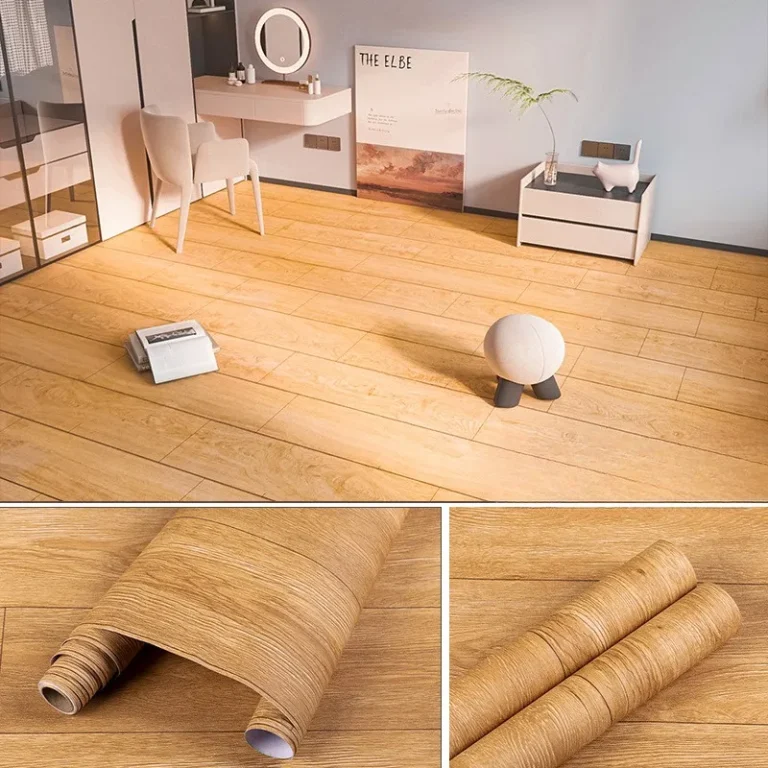
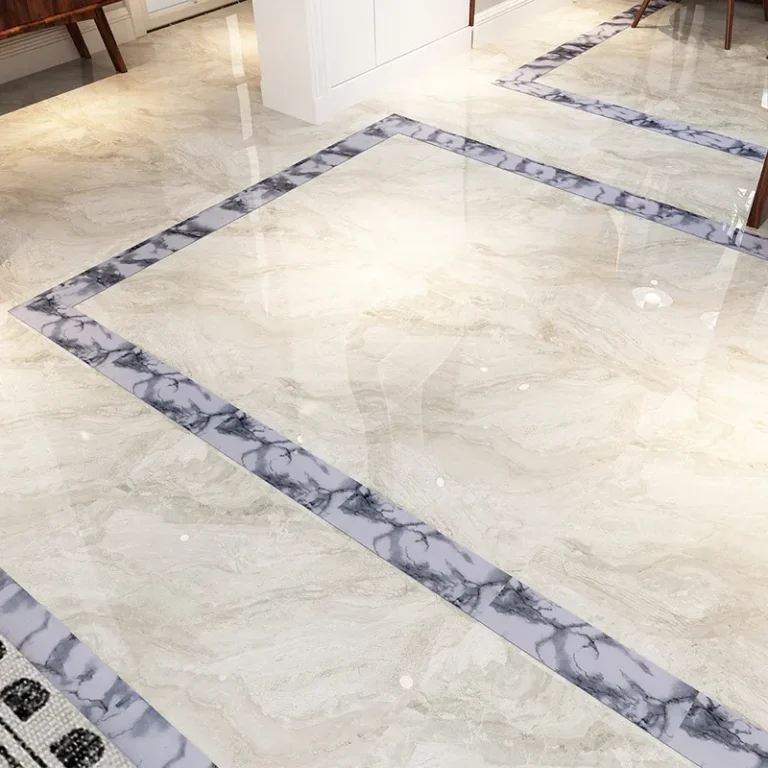
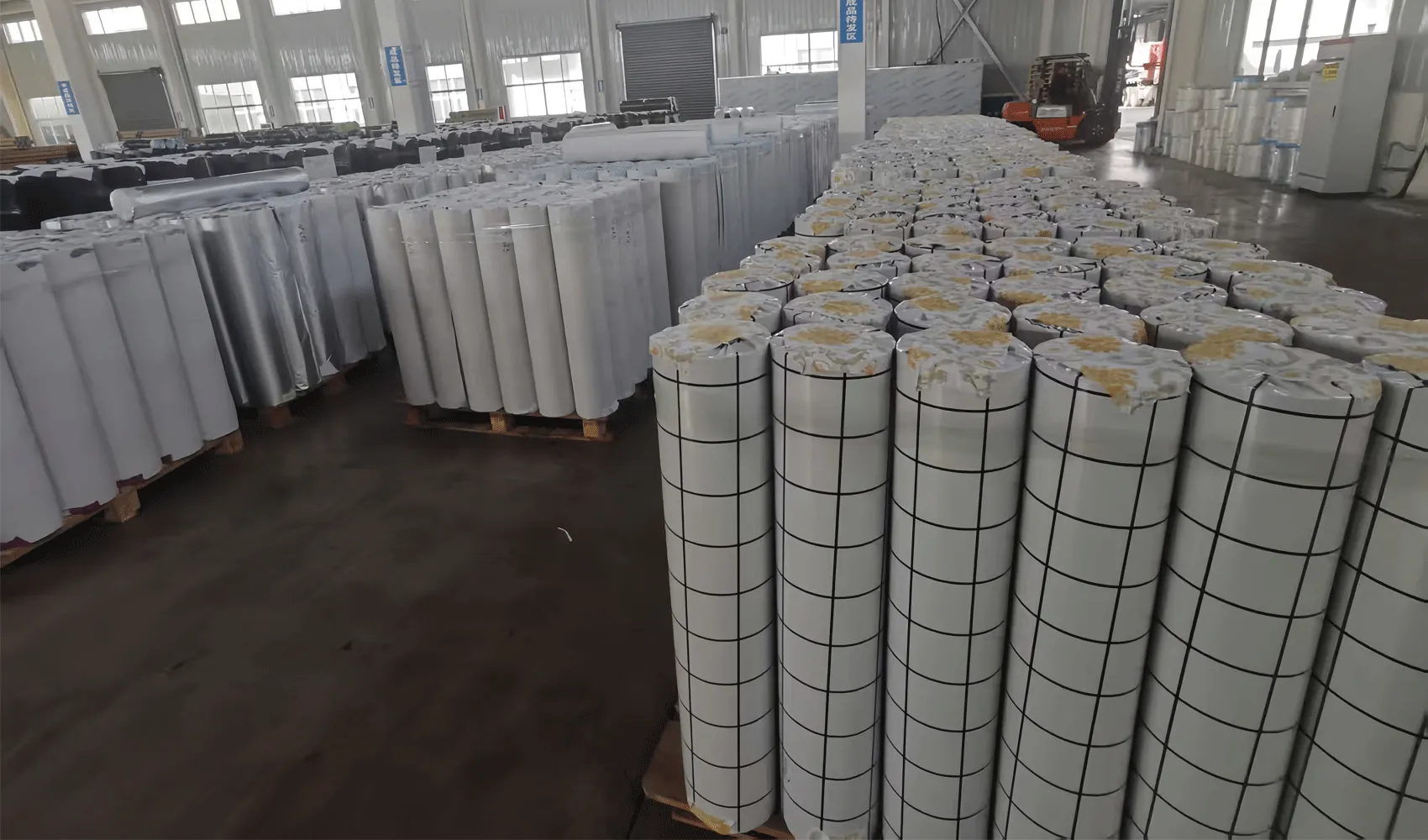
Pulivk produces a wide range of calendered and specialty PVC films—transparent, wood-grain, marble, anti-oil and protective floor films—using in-house calendering, printing, and split-packaging lines to ensure consistency and fast lead times.
If you need support selecting an impact-resistant PVC film grade, review supplier test data for dart/Izod/Charpy and cold performance, request sample trials under your expected service conditions, and prioritize partners who can offer tailored formulations and reliable quality control.