Address
304 North Cardinal St.
Dorchester Center, MA 02124
Work Hours
Monday to Friday: 7AM - 7PM
Weekend: 10AM - 5PM
Address
304 North Cardinal St.
Dorchester Center, MA 02124
Work Hours
Monday to Friday: 7AM - 7PM
Weekend: 10AM - 5PM



Choosing the right decorative or protective film can make a big difference for product performance, aesthetics, and cost. Two popular options in furniture, packaging, and industrial applications are PVC film and PET composite film. This guide compares their core properties, typical uses, and practical selection tips so you can pick the best film for your project.
PVC film (polyvinyl chloride) is a versatile, calendered thermoplastic often used for decorative surfaces, self-adhesive wraps, and protective overlays. It is valued for its flexibility, wide range of textures and prints, and cost-effectiveness. PET composite film (polyethylene terephthalate) is typically a stronger, more dimensionally stable material that is used where higher tensile strength, chemical resistance, and clarity are required—often in packaging, labels, and high-performance laminates.
PVC offers good flexibility and impact resistance at room temperature but softens at higher temperatures. PET composite films display superior tensile strength and better heat resistance (higher service temperatures), making them preferred where temperature stability and dimensional accuracy matter.
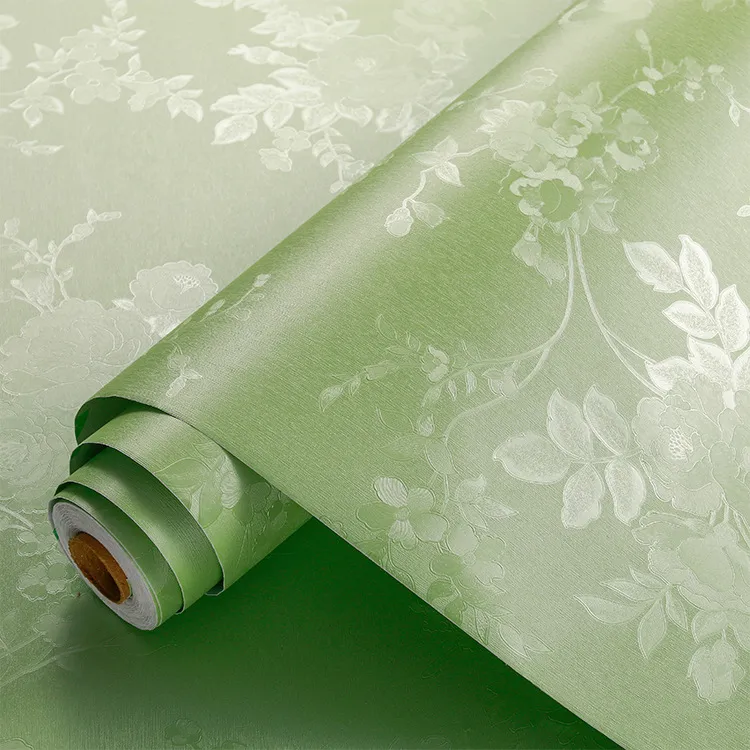
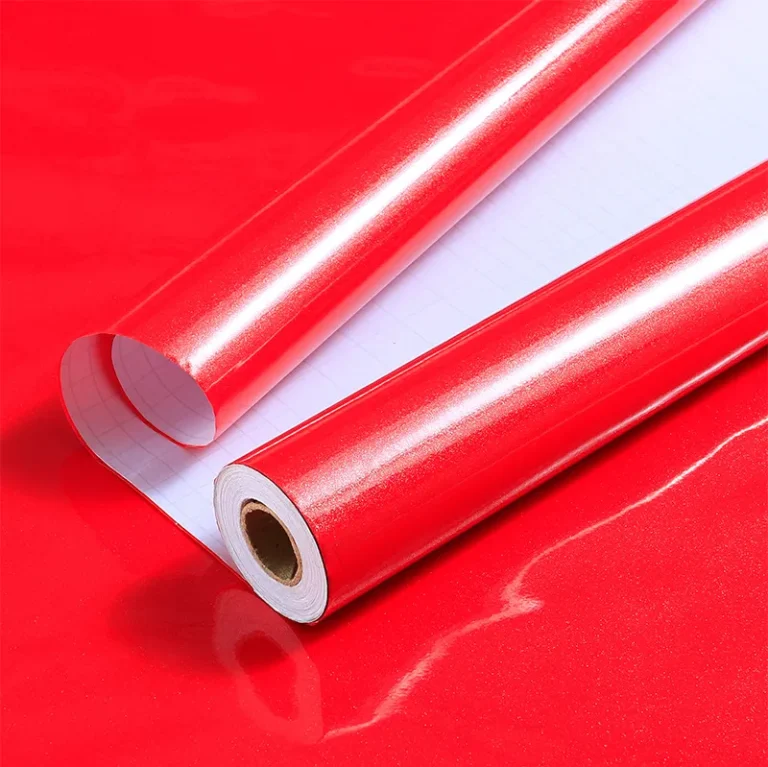
PVC is commonly produced in glossy, matte, textured, or printed decorative finishes; it can mimic wood grain, marble, or metallic looks. PET composite films deliver excellent clarity for transparent or high-graphic applications and accept high-resolution printing and coating well.
| Property | PVC Film | PET Composite Film |
|---|---|---|
| Base Material | PVC (Polyvinyl Chloride) | PET (Polyethylene Terephthalate) + additives/laminates |
| Typical Thickness | 40–400 μm (wide range) | 12–200 μm (depending on composite) |
| Transparency | Opaque to semi-transparent | High clarity to translucent |
| Heat Resistance | Moderate (lower softening point) | High (better dimensional stability) |
| Chemical Resistance | Moderate; can be affected by solvents | Strong resistance to oils and many chemicals |
| Surface Options | Extensive (gloss, matte, embossed, woodgrain) | Excellent for high-gloss, smooth, and printed finishes |
| Installation & Adhesion | Good adhesion with many pressure-sensitive adhesives | Requires compatible adhesives; often laminated |
| Cost | Generally more cost-effective for decorative uses | Higher material cost but added performance |
| Recyclability | Recyclable depending on local systems; PVC has recycling limits | Widely recyclable in PET streams when not heavily contaminated |
| Common Uses | Decorative furniture film, adhesive wraps, wall/floor stickers | High-performance packaging, protective laminates, labels |
PVC film is ideal when you need: decorative variety (wood, marble, metallic), easy printability for custom visuals, flexible application on curved surfaces, and a cost-effective solution for interior finishes or protective overlays. Typical projects include renovation wraps for cabinets, wardrobe doors, and decorative wall coverings.
PET composite films are preferred for demanding applications: food-safe or high-barrier packaging, labels requiring sharp graphics and clarity, and protective films where chemical or heat resistance is essential. Use PET when dimensional stability and long-term durability outweigh initial cost.
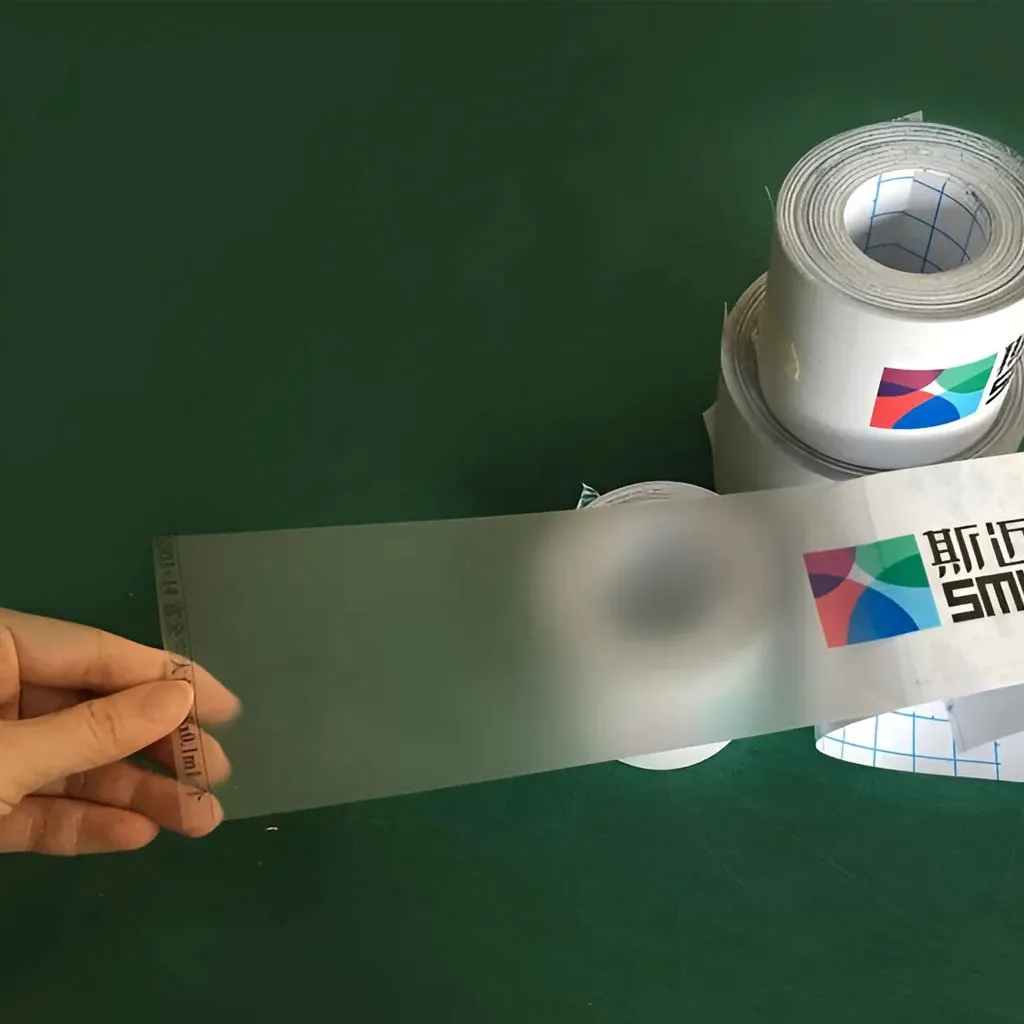
If the film will be exposed to heat, sunlight, oil, or chemicals, favor PET composite films for their stability. For indoor decorative uses with limited chemical exposure, PVC is often sufficient and more economical.
Choose PVC when you need textured or specialty decorative finishes (embossed woodgrain, stone effect). Choose PET when you need ultra-clear gloss or high-fidelity printed graphics.
For large-volume decorative projects where cost is critical, PVC offers savings. For premium packaging or technical applications, PET’s higher up-front cost can be justified by performance and reduced failure risk.
Confirm adhesive compatibility: PVC typically bonds well with common adhesives, while PET composites may require specialty adhesives or pre-treatment to ensure long-term adhesion.
Before purchasing, request the following to ensure you get the right product: samples for surface feel and print tests; technical datasheets (tensile strength, elongation, heat resistance); adhesion test results with your chosen adhesive; and clear lead times. For OEM or branded projects, inquire about customization options such as thickness, printed patterns, and split-packaging.
If end-of-life recycling is important, discuss recyclability and material composition with suppliers. PET tends to be more favorable in standard recycling streams, while PVC may require special handling. Consider lifecycle impact when comparing long-term cost and environmental goals.
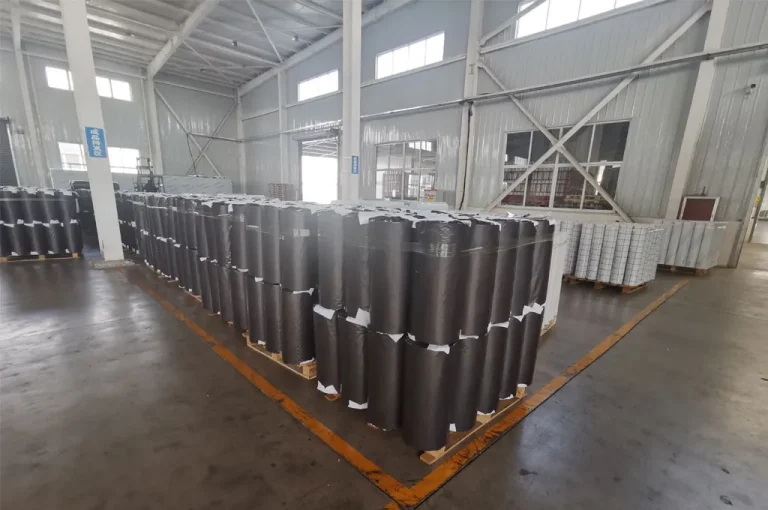
Pulivk: Henan Pulivk New Materials Co., Ltd. operates full in-house production—calendering, printing, and split-packaging—to control quality, reduce lead times, and support OEM/custom orders for PVC and composite film products.
Choose PVC for decorative interior surfaces, cost-sensitive large runs, or textured finishes. Choose PET composite when you need clarity, higher heat/chemical resistance, or packaging-grade performance.
Request samples and technical sheets early in the selection process to validate performance with your substrates and adhesives—this prevents costly rework and ensures the final product meets both aesthetic and functional requirements.