Address
304 North Cardinal St.
Dorchester Center, MA 02124
Work Hours
Monday to Friday: 7AM - 7PM
Weekend: 10AM - 5PM
Address
304 North Cardinal St.
Dorchester Center, MA 02124
Work Hours
Monday to Friday: 7AM - 7PM
Weekend: 10AM - 5PM



Looking for PVC transparent film prices? This guide explains how PVC film pricing works, what affects cost, and realistic price ranges so you can budget for rolls, sheets, or custom OEM orders with confidence.
PVC transparent film is a clear polyvinyl chloride sheet used in packaging, protective covers, stationery, window displays, and surface protection. It combines clarity with durability and can be manufactured in a wide range of thicknesses and finishes.
Material grade — virgin PVC vs. recycled content affects clarity and cost. Premium optical-grade PVC costs more.
Thickness (gauge) — typical ranges: 30μm to 500μm. Thicker films use more material and are more expensive.
Width & roll length — wider rolls and longer lengths increase unit efficiency and can lower price per square meter.
Surface treatments — anti-scratch, anti-fog, anti-static, UV stabilizers, or adhesive backing add processing costs.
Printing & customization — custom printing, color tinting, or special lamination increases lead time and price.
Order quantity & packaging — higher-volume orders and simple split-packaging lower unit cost.
Below are approximate market price ranges for standard clear PVC films. Actual prices vary by supplier and region.
| Product | Thickness | Typical Price Range (USD) | Unit |
|---|---|---|---|
| Budget clear PVC | 30–80 μm | $0.40 – $1.20 | per m² |
| Standard transparent film | 80–200 μm | $1.00 – $3.00 | per m² |
| Optical / premium grade | 100–500 μm | $2.50 – $6.50+ | per m² |
| Printed or functional film | Any | $3.00 – $12.00+ | per m² |
For common roll sizes (e.g., 1.2 m × 50 m):
– Thin clear film (50μm): about $24–$72 per roll depending on volume discounts.
– Medium duty (150μm): about $90–$360 per roll.
– Heavy/optical (300μm+): prices increase significantly due to material usage and finishing.
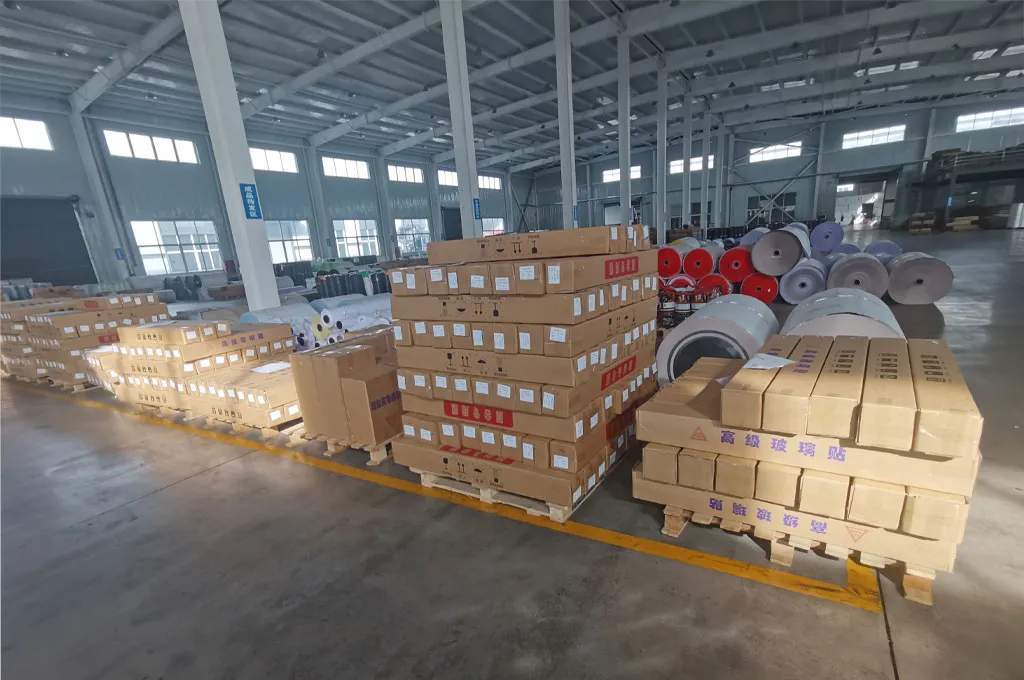
Buy in volume: MOQ and bulk purchase lower the per-unit cost. Consolidating SKUs helps.
Choose the right thickness: pick the minimum thickness that meets your performance needs to avoid overpaying.
Standardize sizes: using common widths reduces custom slitting fees.
Negotiate lead time vs. price: longer lead times may unlock factory-rate discounts.
Shipping, import tariffs, and local demand influence landed cost. For buyers in Southeast Asia and the Middle East, nearby Chinese manufacturers often offer competitive FOB pricing and reliable logistics. European buyers should factor in higher compliance and testing costs.
Films that pass stricter quality checks, have lower VOCs, or meet specific industry standards (e.g., medical, food-contact) come at a premium but reduce risk in regulated markets. Multiple QC checkpoints drive up production costs but ensure consistency.
If you need branded or custom-printed transparent film, ask suppliers about split-packaging, individual roll labeling, and minimum print runs. Many factories support flexible OEM services and can tailor color, thickness, and printing to your specs—this reduces hidden costs during assembly.
Desired thickness and optical clarity
Required surface treatments or adhesive backing
Roll width, length, and packaging needs
Target order quantity and lead time
Required certifications for your market
For reliable factory-direct pricing and flexible OEM services, contact Pulivk for a tailored quotation based on your specifications and target delivery region.