Address
304 North Cardinal St.
Dorchester Center, MA 02124
Work Hours
Monday to Friday: 7AM - 7PM
Weekend: 10AM - 5PM
Address
304 North Cardinal St.
Dorchester Center, MA 02124
Work Hours
Monday to Friday: 7AM - 7PM
Weekend: 10AM - 5PM


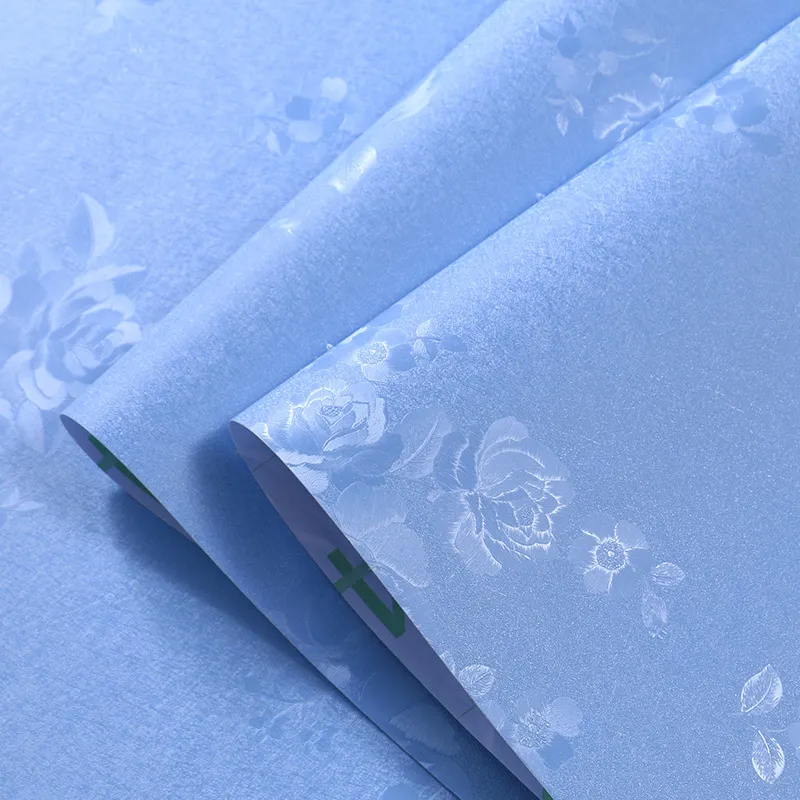
Energy-efficient interiors start with smarter materials. Heat insulation PVC films combine durable protection, thermal performance, and decorative finishes to lower energy consumption while extending the life of surfaces in homes, offices, and commercial buildings.
Heat insulation PVC film is engineered to reduce heat transfer through windows, doors, and other exposed surfaces. Beyond thermal control, it provides abrasion resistance, moisture protection, and a range of aesthetic textures—making it a versatile choice for renovation and new construction projects. Reduced HVAC load and improved occupant comfort are immediate benefits.
Thermal resistance: Multi-layer PVC films often include reflective layers or air-trapping structures that reflect infrared energy and slow conductive heat flow.
Durability: Engineered formulas resist fading, cracking, and UV degradation, keeping surfaces protected over time.
Moisture & stain resistance: Surface finishes repel water and oils—ideal for kitchens, bathrooms, and exterior trim.
Heat insulation PVC films are used in:
– Window overlays and privacy films to reduce solar heat gain.
– Furniture and cabinet surfacing to protect against temperature swings and staining.
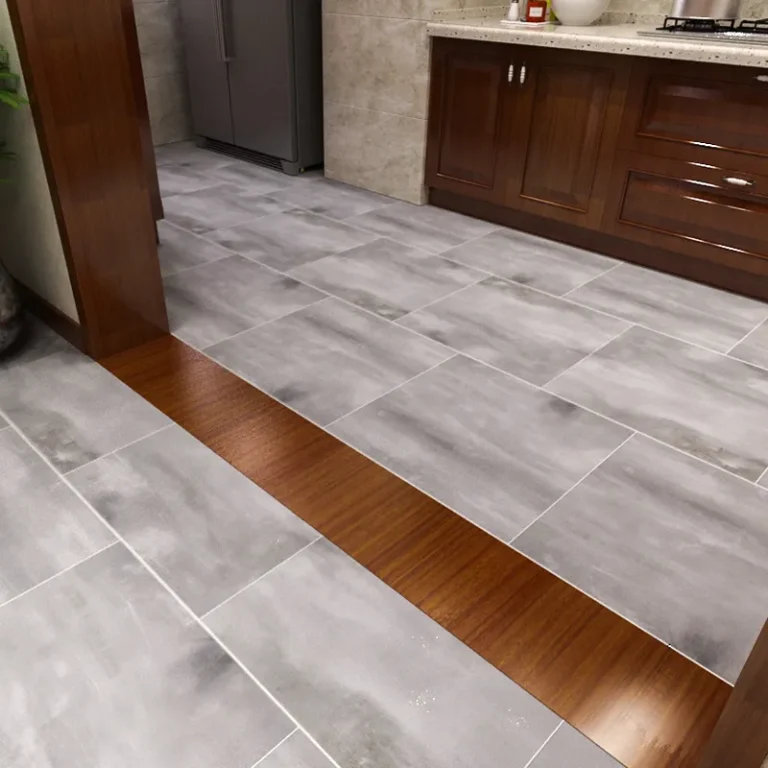
– Skirting, floor protection, and door wraps where durability and easy cleaning matter.
| Property | Typical Range | Benefit |
|---|---|---|
| Thickness | 50–250 µm | Balance of flexibility and durability |
| Solar Reflectance | 20%–70% | Lower indoor cooling load |
| UV Stability | Up to 3,000 hours (weathering test) | Long-term color retention |
| Tensile Strength | 20–40 MPa | Tear and puncture resistance |
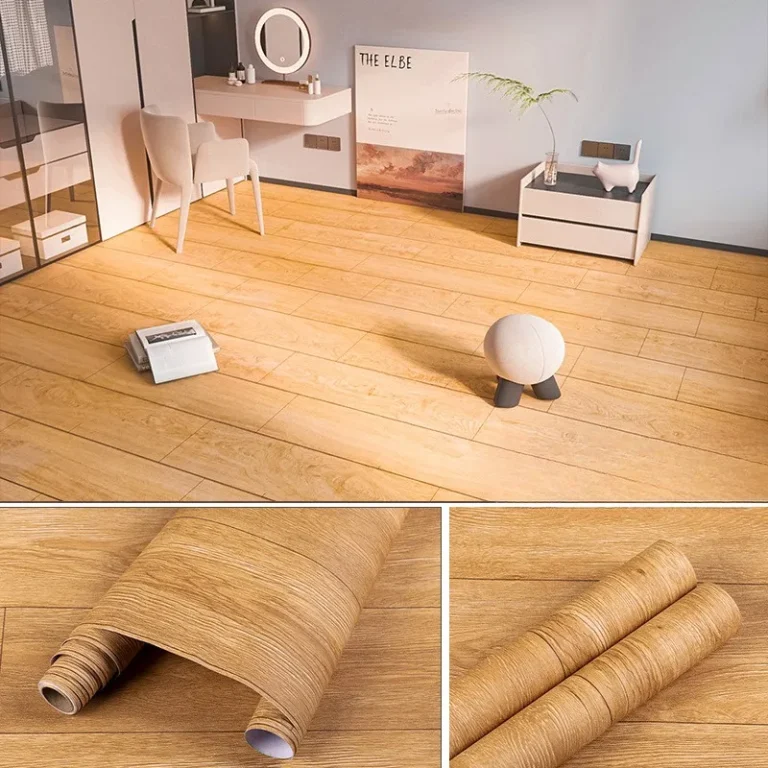
| Surface Finish | Glossy, matte, silk, textured | Aesthetic match for interiors |
Choose a finish that complements lighting: glossy films reflect light and can make spaces feel brighter, while matte and silk textures reduce glare. For windows, prioritize films with higher solar reflectance during hot seasons; in cooler climates, lower reflectance with insulating air layers can help retain heat.
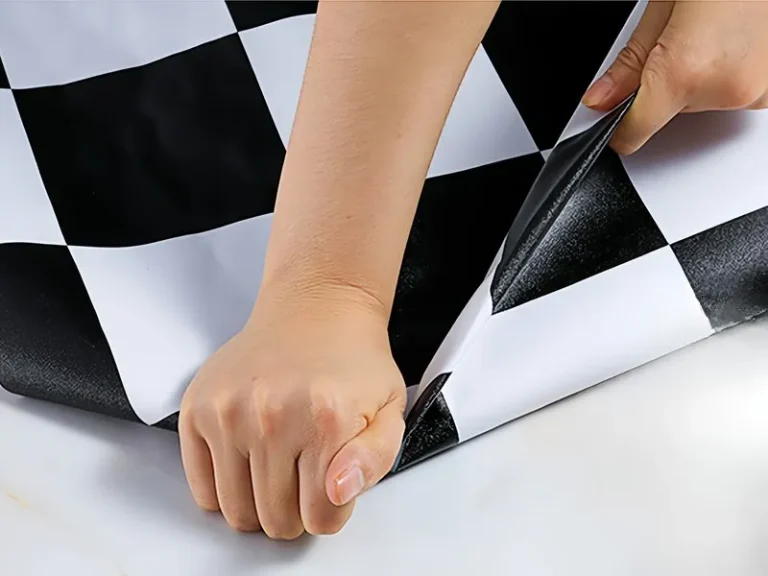
Installation is straightforward for most surface types. Use a clean, dry substrate; allow adhesives to cure per the manufacturer’s guidelines; and expect the best performance when films are applied by trained technicians for large or high-exposure projects.
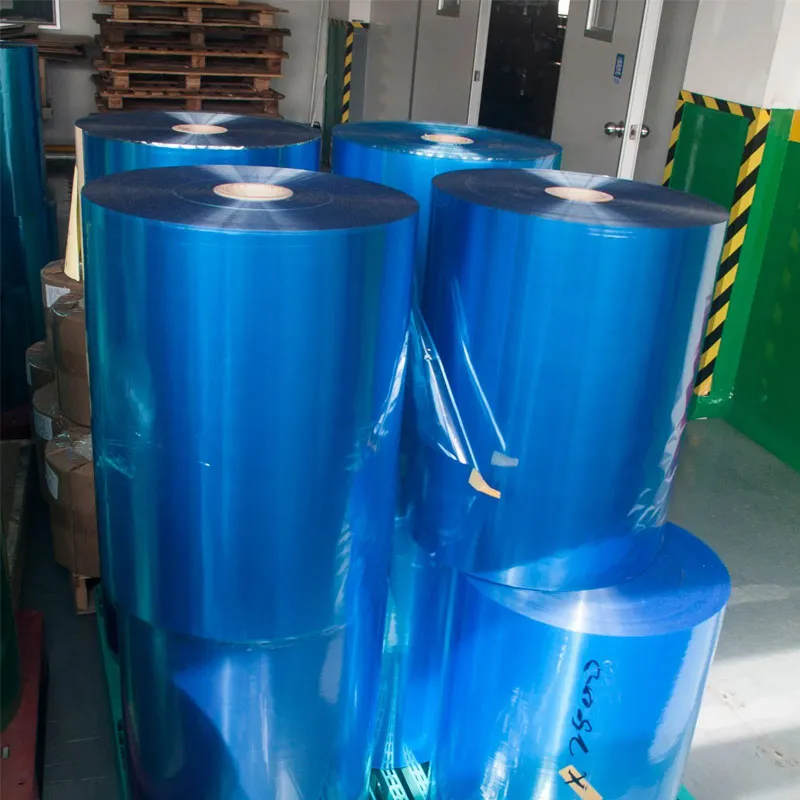
By lowering solar heat gain and stabilizing indoor temperatures, heat insulation PVC films can reduce HVAC runtime and energy bills. Over the product lifecycle, these films offer measurable cost-efficiency when compared to expensive window replacement or full cladding jobs.
When evaluating suppliers, look for consistent in-house production control, flexible OEM options, and reliable lead times. Manufacturers with full calendering and printing capabilities produce stable batches and can tailor films to project requirements—colors, textures, and widths matter when planning rollouts.
Maintenance is minimal: regular dusting and periodic cleaning with mild soap keep films looking new. Avoid abrasive cleaners and high-temperature steam treatments. Properly manufactured films can last many years under normal conditions—choose quality materials to maximize longevity.
Q: Can PVC films be applied outdoors?
A: Many calendered and UV-stabilized films are formulated for exterior applications. Ensure the product explicitly lists outdoor resistance and check warranty terms.
Q: Do these films affect visibility?
A: Window films designed for thermal insulation may alter tint or reflectivity slightly. Choose transparent or low-reflectance varieties for minimal visual change.
Pulivk offers full in-house production with calendering, printing, and split-packaging lines—making it easy to source customized heat insulation PVC films with strict quality control and stable lead times. Visit https://pvcfilmtec.com/ for product ranges and contact details.
Assess the surface type and climate conditions, request sample swatches, and confirm installation support. For commercial projects, request technical data sheets and long-term weathering tests. A well-specified heat insulation PVC film will deliver both protection and reduced operational costs.