Address
304 North Cardinal St.
Dorchester Center, MA 02124
Work Hours
Monday to Friday: 7AM - 7PM
Weekend: 10AM - 5PM
Address
304 North Cardinal St.
Dorchester Center, MA 02124
Work Hours
Monday to Friday: 7AM - 7PM
Weekend: 10AM - 5PM


 ByPulivk
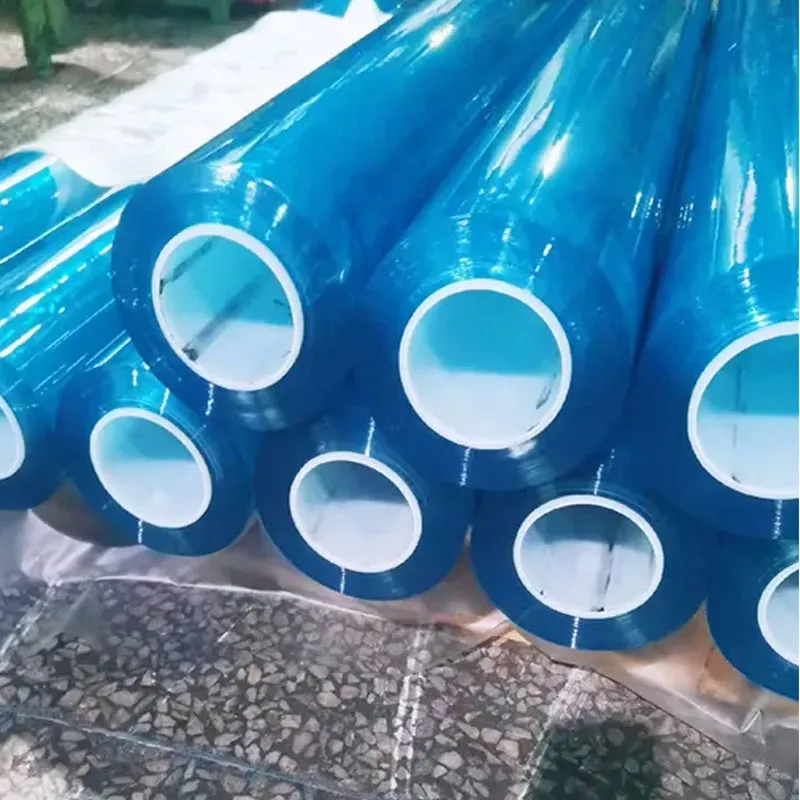
The cost of TPU protective film varies widely depending on material grade, thickness, roll size, and customization. Whether you’re buying for electronics, automotive trim, or protective overlays, understanding the main price drivers helps you compare quotes and get the best value. This guide breaks down typical TPU film costs, explains what affects pricing, and offers practical tips to lower your per-unit price.
Thermoplastic polyurethane (TPU) protective film is a flexible, abrasion-resistant layer used to protect surfaces from scratches, chemicals, and UV exposure. Common applications include screen protectors, automotive paint protection films, and protective overlays for industrial equipment. TPU combines a balance of elasticity and toughness that makes it more durable than PVC in many scenarios.
Prices for TPU protective film are commonly quoted per linear meter, per square meter, or per roll. Below is a quick reference table showing typical market ranges for standard grades (bulk purchase, non-printed):
| Specification | Typical Price Range | Notes |
|---|---|---|
| Thin TPU film (20–50 μm) | $0.30 – $1.20 / m² | Used for screen protectors, light overlays |
| Medium (50–150 μm) | $1.20 – $4.50 / m² | Automotive trim, protective laminates |
| Thick TPU (150–500 μm) | $4.50 – $12.00 / m² | Heavy-duty protective films, industrial uses |
| Custom printed / coated | Add $0.20 – $3.00 / m²+ | Depends on ink, repeat length, special coatings |
Higher-performance TPU formulations (improved UV resistance, anti-yellowing, anti-scratch) cost more. Special additives like flame retardants or antibacterial agents increase price further.
Thicker films require more material and processing time—expect a proportional price jump as you move from thin protective layers to heavy-duty films.
Large rolls and bulk orders reduce the unit price. Small sample runs or low-MOQ custom jobs attract higher per-meter costs due to setup and handling.
Anti-fingerprint coatings, matte/gloss finishes, or multi-color printing add setup and material costs. Repeat patterns and close color matching raise tooling or screening fees.
Below are example price expectations for common uses:
Phone screen protectors: thin TPU, high surface clarity — usually priced lower per square meter but require precision finishing and cutting.
Automotive PPF: medium-to-thick TPU with UV and scratch resistance — typically mid-to-high range due to durability requirements.
Industrial overlays: thick, specialty TPU with chemical resistance — among the highest cost bands.
To reduce cost without sacrificing quality, consider these practical steps:
Faster turnaround or urgent shipping increases total cost. If lead time is flexible, choose standard production schedules to lower manufacturing and freight surcharges.
Evaluate suppliers on product consistency, in-house production capability, and export experience. One reliable manufacturer with full in-house lines and QC checkpoints can reduce hidden costs and delays.
Henan Pulivk New Materials Co., Ltd. (Pulivk) operates full in-house production—calendering, printing, and split-packaging—allowing strict quality control, flexible OEM options, and competitive pricing. Visit https://pvcfilmtec.com/ for product details and contact information.