Address
304 North Cardinal St.
Dorchester Center, MA 02124
Work Hours
Monday to Friday: 7AM - 7PM
Weekend: 10AM - 5PM
Address
304 North Cardinal St.
Dorchester Center, MA 02124
Work Hours
Monday to Friday: 7AM - 7PM
Weekend: 10AM - 5PM


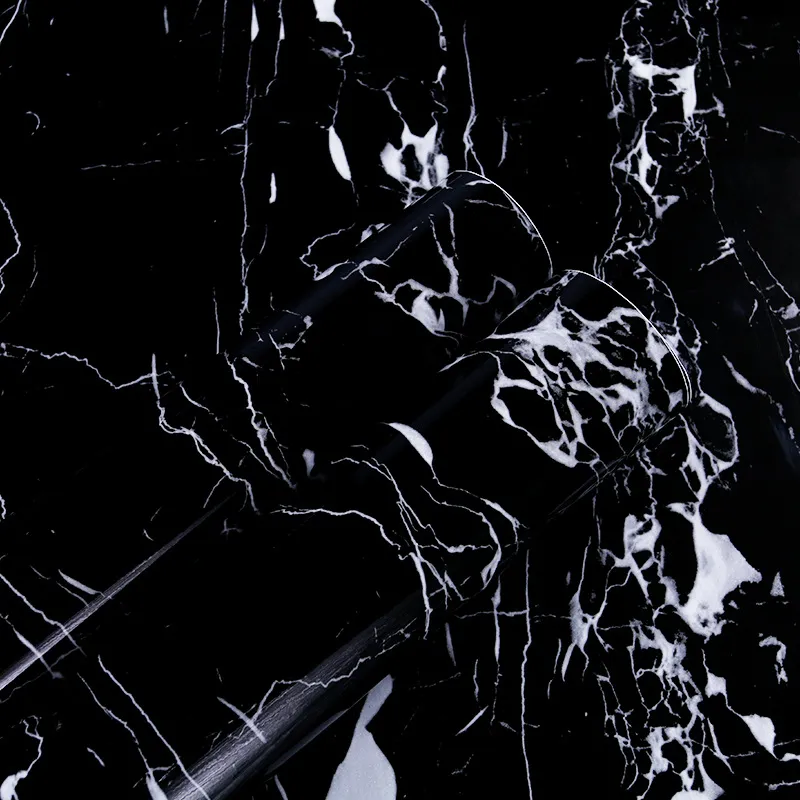
PVC protective film is widely used to shield surfaces such as floors, cabinets, countertops, and appliances during transport, installation, or renovation. If you’re wondering “Is PVC protective film waterproof?” this guide explains the differences between water-resistant and waterproof films, how performance varies by type and thickness, and practical tips for using PVC film in wet or humid environments.
PVC protective film is a thin layer of polyvinyl chloride designed to protect painted, laminated, or finished surfaces from scratches, dust, dirt, paint splashes, and minor moisture during handling or installation. Films can be calendered or cast, with or without adhesive backing, and with finishes from glossy to matte.
Waterproof means the film itself prevents water passage entirely under normal conditions. Water-resistant means it can resist water penetration for a time but may fail when submerged, exposed to pressurized water, or when edges are left unsealed. Most PVC protective films marketed for surface protection are water-resistant rather than fully waterproof.
Several factors determine how well a PVC film performs around water:
| Film Type | Typical Thickness | Water Barrier | Best Use |
|---|---|---|---|
| Thin temporary protective film (non-adhesive) | 20–50 μm | Water-resistant (low) | Surface scratch protection during handling |
| Self-adhesive PVC protective film | 30–150 μm | Water-resistant (moderate); edge sealing needed | Cabinets, appliances, glass protection |
| Calendered/multi-layer PVC film | 80–250 μm | High water resistance; not always fully waterproof | Floor protection, skirting, heavy-duty protection |
| Special waterproof laminated PVC | 100+ μm | Waterproof (depending on edges & adhesive) | Wet areas with proper installation |
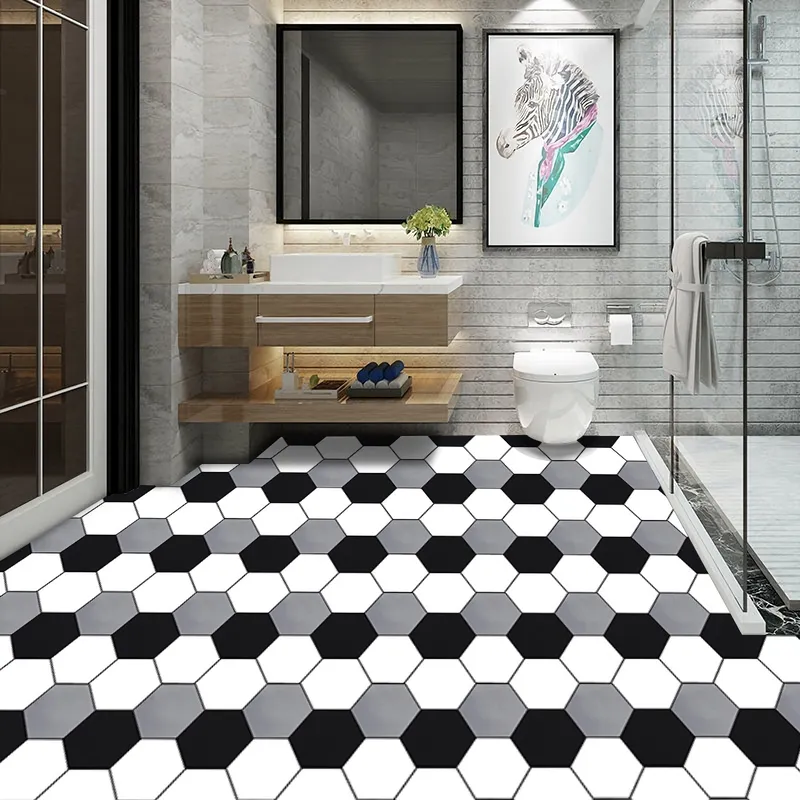
PVC protective film can protect surfaces in bathrooms and kitchens against splashes, cleaning liquids, and short-term humidity. However, long-term direct exposure to standing water, steam, and frequent cleaning chemicals may compromise the adhesive and allow water to migrate under the film, especially at edges and seams. For temporary protection during renovation, properly applied PVC film usually performs well.
Quick tests you can try before committing:
To maximize moisture resistance:
When removing PVC protective film after use, pull slowly at a low angle to reduce residue and minimize surface damage. Remove within the time window recommended by the manufacturer — prolonged adhesion in hot, humid conditions can leave adhesive residue or affect finishes.
For sustained exposure to water (e.g., permanent wet-area surfaces or submerged components), consider permanent waterproof materials like PVC laminates designed for wet use, PET films, sealed laminates, or actual waterproof membranes rather than temporary protective film.
For manufacturers with full in-house production and a range of protective PVC films and custom options, Pulivk offers calendered, printed, and split-packaging capabilities and global export experience to support projects with both standard and custom specifications. Visit https://pvcfilmtec.com/ for product options and inquiries.
Often “waterproof” claims depend on test conditions. Confirm the film’s intended use, adhesive type, thickness, and whether edge sealing is required for real-world waterproof performance.
Short-term outdoor use is possible, but UV exposure, temperature swings, and weathering can degrade PVC over time. Use UV-stabilized or outdoor-rated films for longer exposure.
PVC protective films provide strong water resistance for temporary protection in kitchens, bathrooms, and transport. For continuous, permanent water exposure choose materials specifically engineered for waterproofing and ensure proper application and edge sealing whenever moisture is a concern.