Address
304 North Cardinal St.
Dorchester Center, MA 02124
Work Hours
Monday to Friday: 7AM - 7PM
Weekend: 10AM - 5PM
Address
304 North Cardinal St.
Dorchester Center, MA 02124
Work Hours
Monday to Friday: 7AM - 7PM
Weekend: 10AM - 5PM


BOPP (Biaxially Oriented Polypropylene) film is a versatile plastic film used across packaging, labeling, lamination, and industrial applications. Lightweight yet durable, BOPP film delivers excellent clarity, moisture resistance, and printability—making it a top choice for brands, manufacturers, and converters seeking cost-effective, high-performance film solutions.
BOPP is produced by stretching polypropylene film in both the machine and transverse directions, which enhances strength, stiffness, and barrier properties. Available in clear, matte, metalized, and corona-treated variants, BOPP can be customized for printing, heat-sealing, anti-static and adhesive applications.
BOPP film’s combination of mechanical strength, printability, and low cost makes it suitable for a wide range of applications:
Roll stock, slit rolls, and pre-cut pouches make BOPP adaptable to automated packaging lines and manual operations. Pressure-sensitive BOPP tapes and label stock are commonly used in logistics and retail.
| Film Type | Key Feature | Typical Use |
|---|---|---|
| Clear BOPP | High transparency, printable | Snack & candy packaging, labels |
| Matte BOPP | Soft finish, anti-glare | Premium packaging, lamination |
| Metallized BOPP | Enhanced barrier, metallic look | Confectionery, moisture-sensitive goods |
| Corona-treated BOPP | Improved ink/adhesive adhesion | Printing, label face stock |
| Heat-sealable BOPP | Sealable barrier films | Pouches, food packaging |
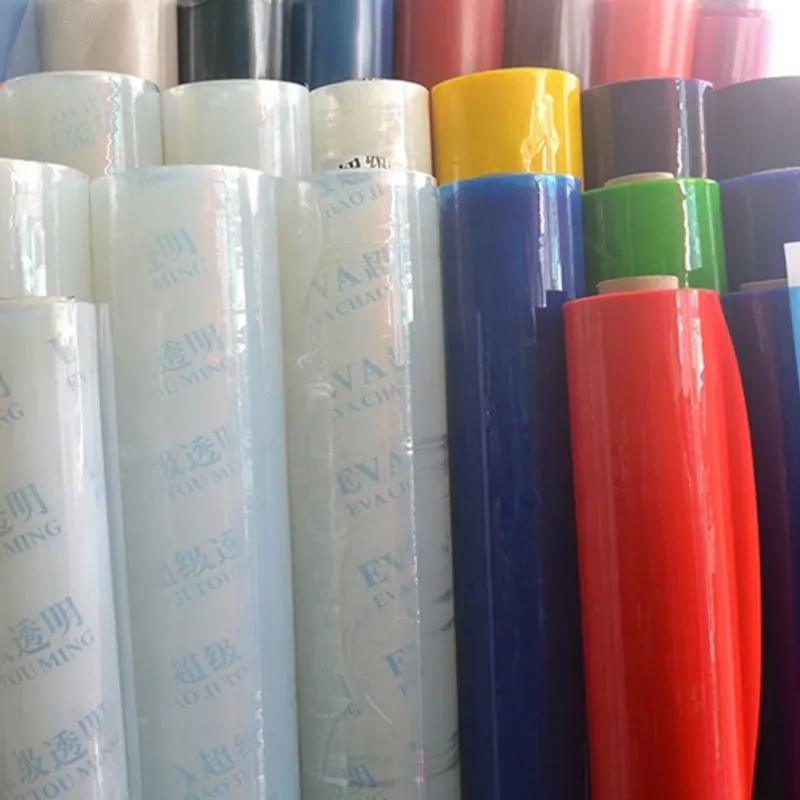
Primary uses include snack wrappers, biscuit and candy flow-wraps, and laminated laminated facestocks for frozen food. Metallized BOPP is popular where aroma and moisture barrier are needed.
BOPP labels offer durability for bottles, jars, and rigid containers. Pressure-sensitive BOPP labels resist scuffing and moisture in cold-chain or refrigerated environments.
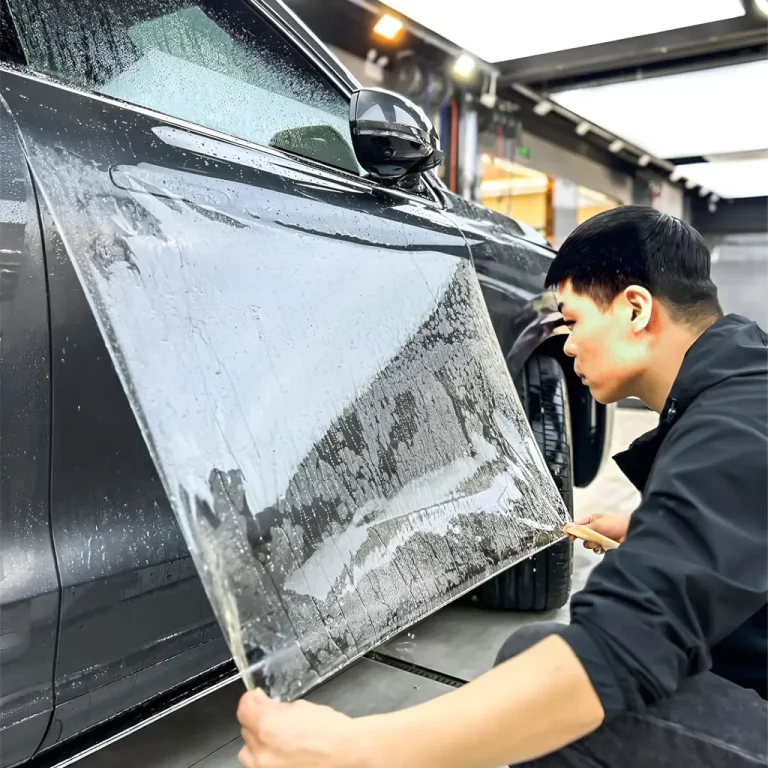
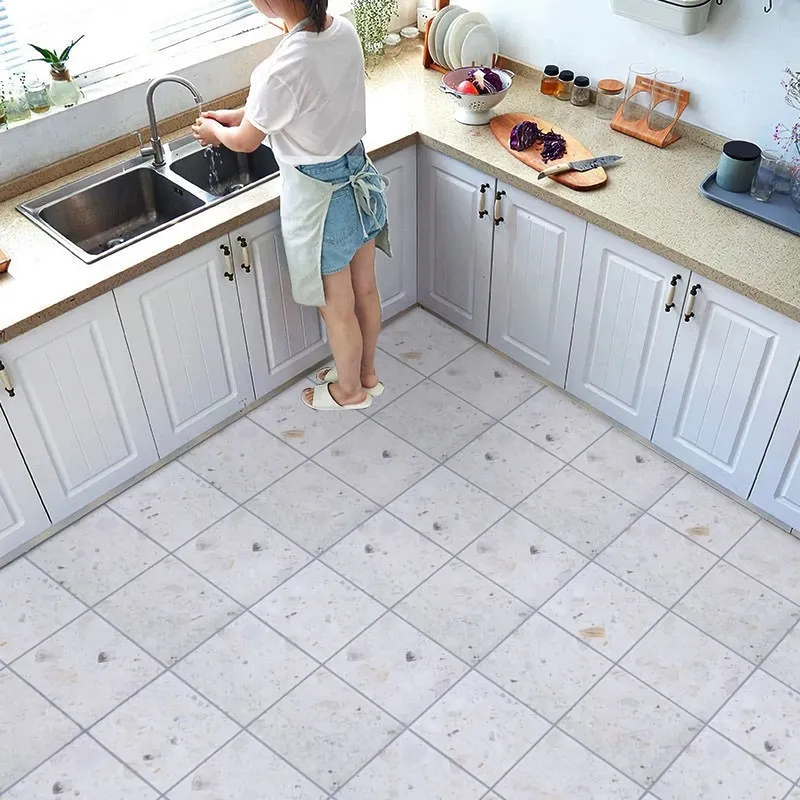
Surface protection films, floor coverings, and masking films use thicker BOPP grades to protect during transport and construction. Anti-static or treated films help with electronic component protection.
BOPP is the backbone of packaging tapes due to its tensile strength and good adhesive compatibility—available in clear and colored finishes for branding and sealing.
For food contact, verify food-grade certifications and migration test results. For reusable or protective films, check abrasion resistance and adhesion test data.
BOPP is recyclable where local infrastructure supports polypropylene recovery. Lightweighting and reduced material use can lower carbon footprint compared to heavier alternatives; however, end-of-life collection and recycling remain key challenges in many markets.
Look for a manufacturer that offers full in-house production (calendering, printing, split-packaging) for tighter quality control and predictable lead times. Pulivk (https://pvcfilmtec.com/) provides integrated production capabilities, OEM customization, and global export experience to support varied BOPP needs.
BOPP film remains a cost-effective, high-performance choice for packaging and specialty applications. By matching film type, surface treatment, and gauge to your production and product needs, you can unlock better shelf appeal, protection, and value.