Address
304 North Cardinal St.
Dorchester Center, MA 02124
Work Hours
Monday to Friday: 7AM - 7PM
Weekend: 10AM - 5PM
Address
304 North Cardinal St.
Dorchester Center, MA 02124
Work Hours
Monday to Friday: 7AM - 7PM
Weekend: 10AM - 5PM


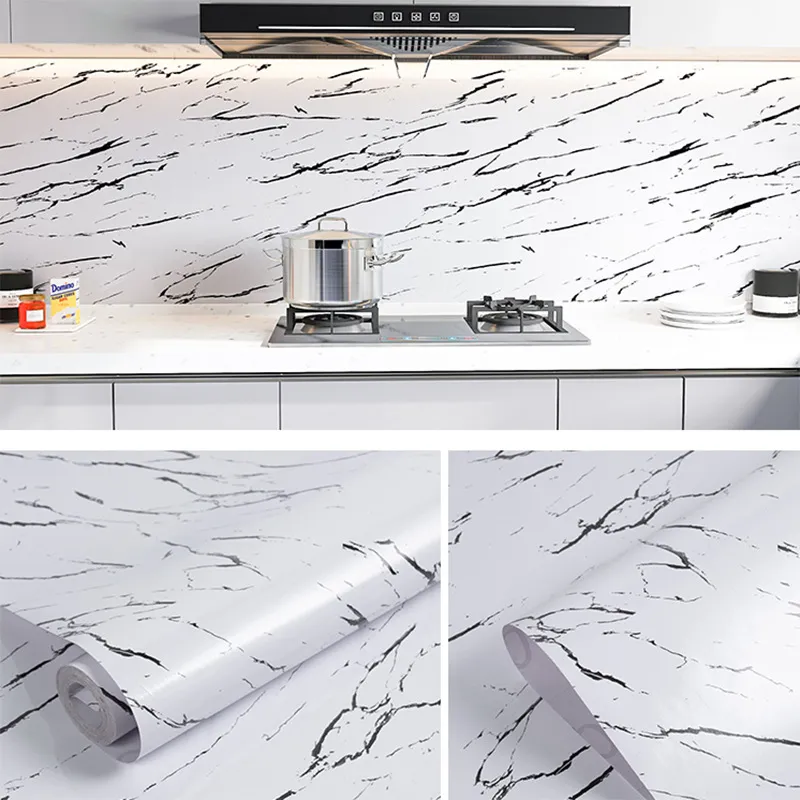
Scratch resistance is a crucial factor in protecting PVC film during production, transport, storage, and installation. Proper packaging methods reduce surface damage, preserve print and gloss finishes, and lower return costs—helping brands and manufacturers maintain product appeal from factory to end user.
PVC film surfaces—including glossy, matte, wood-grain, and marble-effect finishes—are vulnerable to micro-scratches and abrasions during handling and transit. Even light scuffs can degrade visual quality and reduce customer satisfaction. Effective packaging preserves aesthetics, extends shelf life, and minimizes waste.
1. Protective topcoat and release liners: Use a removable PE liner or silicone release film that guards the decorative face while allowing easy removal at installation. For high-gloss films, opt for thicker liners (60–120µ) that resist tearing.
2. Edge protection: Reinforce roll ends with cardboard cones or corner guards to prevent deformation and edge nicking during stacking.
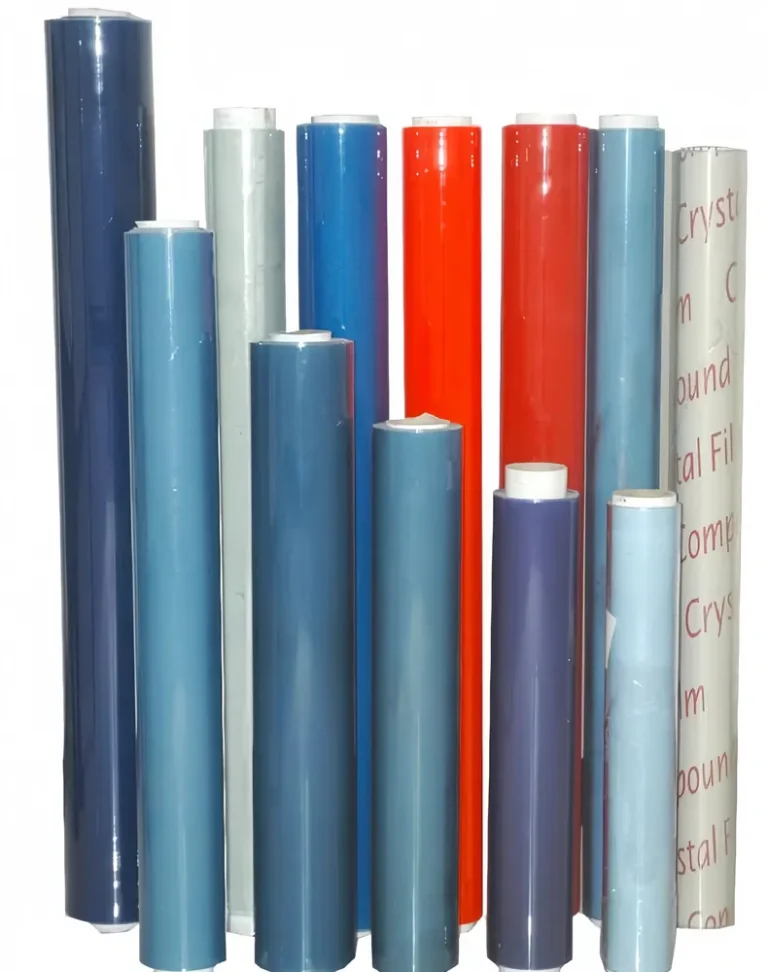
3. Split-roll packaging: Smaller, factory-cut rolls packed individually in dust-proof PE or kraft paper provide better control for retailers and reduce surface contact between rolls.
Layering is key: combine an inner release liner with an outer wrap (PE or stretch film) and secure with tamper-evident tape. For printed films, introduce a thin non-woven interleaf between adjacent rolls to eliminate frictional abrasion during movement.
Anti-static treatments reduce dust attraction and friction-related micro-damage—especially important for glossy and pearlescent finishes.
Maintain stable indoor storage conditions: moderate temperature and humidity reduce adhesive migration and film distortion. For long sea shipments, add desiccant packs and use pallet covers to limit condensation risk. During loading and unloading, use soft slings or padded clamps to avoid point pressure and scratches.
Implement QC checkpoints at packaging stages: verify liner adhesion, confirm edge protection placement, inspect for surface contamination (dust, oil), and perform random abrasion tests on packaged rolls. Use a simple visual and tactile inspection protocol before shipment.
| Packaging Method | Protection Level | Cost Impact | Best For |
|---|---|---|---|
| Removable PE release liner | High | Moderate | High-gloss & printed films |
| Individual roll kraft wrap + stretch film | Medium | Low | Standard decorative films |
| Split-roll with interleaves | High | Moderate | Retail-ready & custom orders |
| Palletized with corner guards | Medium-High | Low | Bulk shipments |
Choose liners and wraps compatible with film plasticizers to prevent migration. Use low-residue, water-activated or acrylic tapes that maintain adhesion without leaving marks. For films with special coatings (anti-fingerprint, anti-scratch), validate compatibility with liner release agents before full-scale packing.
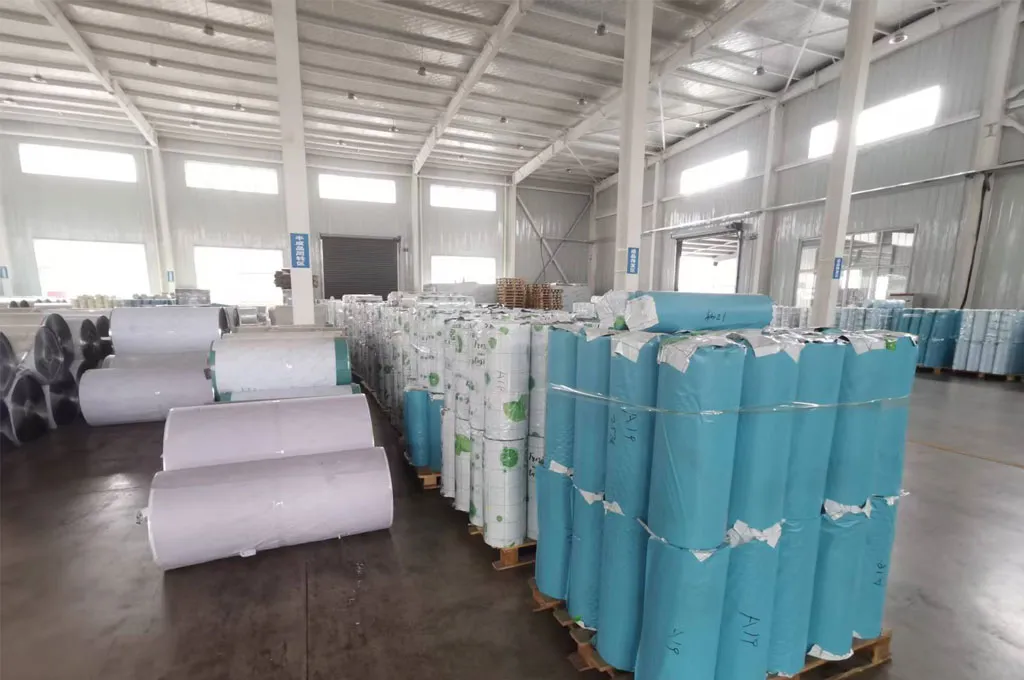
Balance protection and sustainability: reusable pallets, recyclable kraft paper, and reclaimed stretch film reduce waste and cost. Optimize roll lengths and split-pack options to match customer use-cases and minimize leftover scrap.
Before scaling packaging changes, pilot a batch with the new liner/wrap combination and perform transport simulation tests. Confirm that the approach minimizes visible defects and is easy for downstream installers to remove.
For custom packaging solutions, quality control, or OEM options tailored to your product line, contact Pulivk via https://pvcfilmtec.com/ to discuss full in-house production capabilities and flexible split-packaging services.