Address
304 North Cardinal St.
Dorchester Center, MA 02124
Work Hours
Monday to Friday: 7AM - 7PM
Weekend: 10AM - 5PM
Address
304 North Cardinal St.
Dorchester Center, MA 02124
Work Hours
Monday to Friday: 7AM - 7PM
Weekend: 10AM - 5PM



Understanding the environmental grade of PVC membrane materials is essential for architects, manufacturers, specifiers, and eco-conscious consumers. This guide breaks down safety metrics, compliance benchmarks, performance trade-offs, and practical selection tips so you can choose PVC membranes that meet regulatory demands while minimizing environmental impact.
Environmental grade refers to how a PVC membrane performs across health, emissions, recyclability, and chemical safety indicators. Grades are determined by raw-material selection (e.g., phthalate-free plasticizers), manufacturing controls, and independent testing for restricted substances and volatile organic compound (VOC) emissions.
High environmental grade PVC membranes reduce indoor air quality risks, simplify compliance with green building certifications, and improve long-term sustainability metrics for projects in residential, commercial, and public spaces.
When evaluating PVC membranes, check for testing or compliance with these international and regional standards:
Phthalates (DEHP, DBP), heavy metals (lead, cadmium), and certain flame retardants are frequently restricted. Manufacturers may use non-phthalate plasticizers and stabilizers to achieve higher environmental grades.
The table below summarizes typical grades, key markers, and recommended uses so you can quickly compare options.
| Grade | Key Markers | Typical Applications | Recyclability / End-of-life |
|---|---|---|---|
| High (Eco-Preferred) | Phthalate-free plasticizers, low VOC, third-party tested | Indoor public spaces, healthcare, schools, certified green builds | Designed for mechanical recycling; clear labeling |
| Medium (Standard Compliance) | Meets RoHS/REACH limits, moderate VOCs | Residential, furniture surfaces, general commercial | Recyclable in mixed PVC streams but requires sorting |
| Low (Cost-driven) | Conventional plasticizers, higher VOCs, limited testing | Temporary protection films, non-occupancy uses | Often downcycled or landfilled |
Purchase decisions should be backed by documented test reports: VOC emission certificates, chemical analysis for restricted substances, and factory quality control records. Third-party verification (SGS, Intertek, TUV) and transparent material declarations (e.g., MD or SDS) increase confidence in the product’s environmental claims.
Before specifying or buying PVC membrane material, ask for:
High environmental grade membranes typically have better UV resistance, lower off-gassing, and longer service life. Proper installation reduces waste and extends performance—consider professional installers and manufacturer-recommended adhesives and primers.
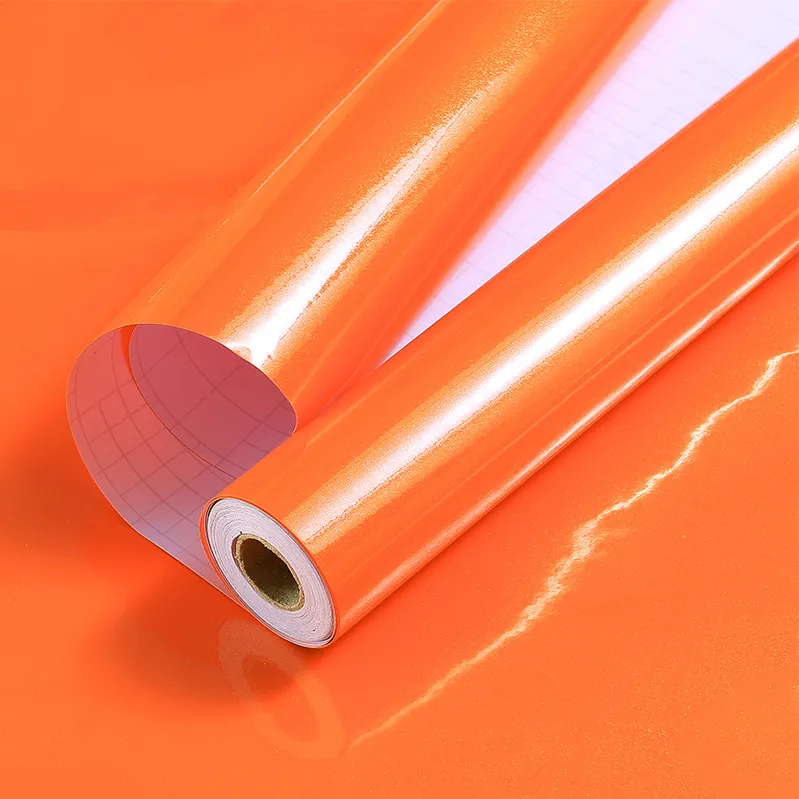
Plan for recycling at end-of-life: segregate PVC by type, avoid mixed-material lamination that complicates recycling, and utilize mechanical recycling streams where available. Some high-grade PVC membranes are formulated to be recyclable without significant loss of properties.
Balance environmental grade with technical needs. For healthcare or school interiors prioritize low-VOC, phthalate-free membranes. For exterior or moisture-prone applications, emphasize UV and moisture resistance alongside environmental credentials.
Pulivk provides a range of calendered and printed PVC films with customizable specifications; request test documentation to align selection with project environmental targets.
Choosing the right environmental grade for PVC membranes reduces risk, supports green building goals, and offers better lifecycle value. Use documented testing, clear certifications, and a practical recyclability plan to make project-level decisions that are both safe and sustainable.