Address
304 North Cardinal St.
Dorchester Center, MA 02124
Work Hours
Monday to Friday: 7AM - 7PM
Weekend: 10AM - 5PM
Address
304 North Cardinal St.
Dorchester Center, MA 02124
Work Hours
Monday to Friday: 7AM - 7PM
Weekend: 10AM - 5PM


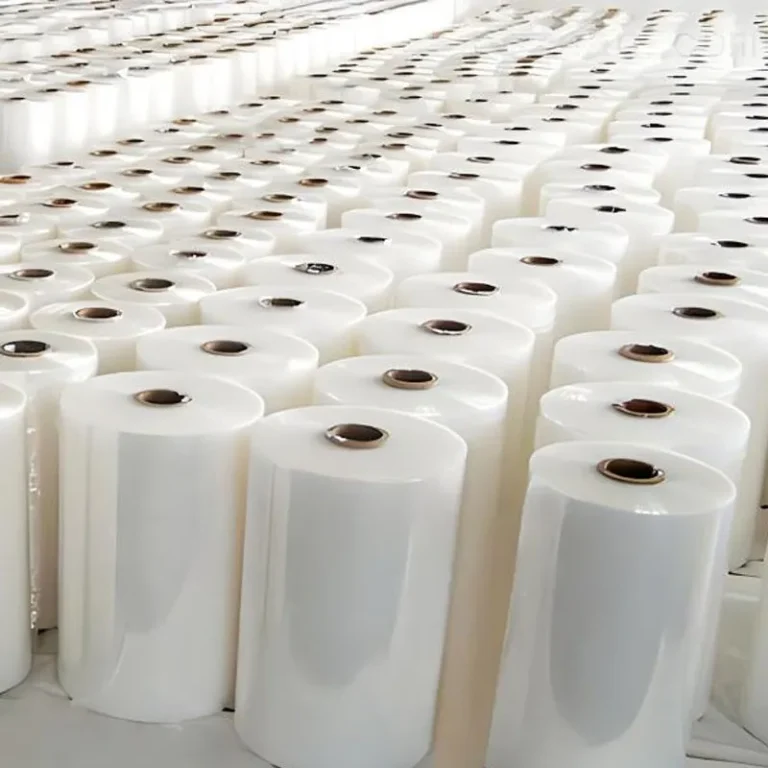
Efficient inventory management for PVC film is a competitive advantage for manufacturers, distributors, and retailers. Proper control reduces carrying costs, prevents stockouts on popular film types, and improves production planning. This guide covers proven methods for PVC film inventory control — from SKU segmentation and storage best practices to forecasting, reorder rules, and warehouse layout.
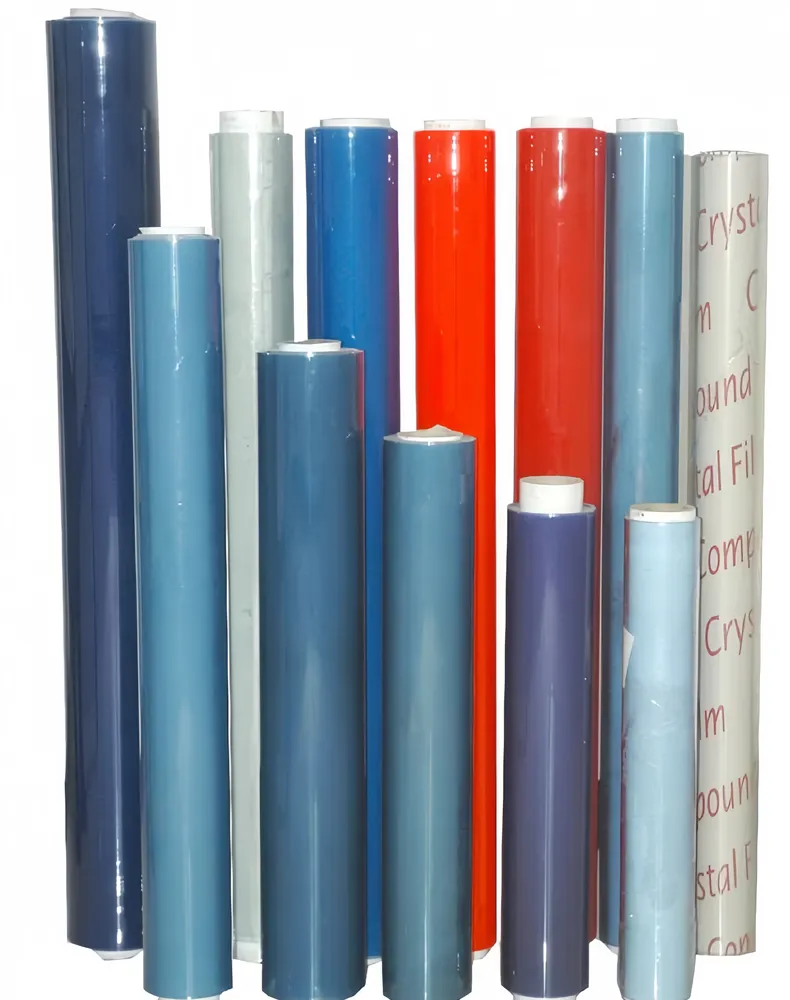
PVC film is sold in many variants: thickness (microns), roll width, length, surface finish (glossy, matte, embossed), color, and whether it’s single- or multi-layer. Classify SKUs by these attributes and by demand patterns so that each roll is tracked and replenished using the appropriate rules.
PVC film rolls require careful handling to prevent edge damage, deformation, and contamination. Implement standard operating procedures for receiving, storing, and issuing rolls.
Adopt a combination of rule-based and analytical methods to keep stock lean without risking service levels.
Segment inventory by value and turnover: A (high value/high turnover), B (moderate), C (low). Prioritize daily or weekly review for A items, weekly for B, and monthly for C.
| Category | Share of SKUs | Action |
|---|---|---|
| A | ~10–20% | Tight controls, frequent counts, safety stock |
| B | ~20–30% | Periodic review, moderate safety stock |
| C | ~50–70% | Minimize stock, consider just-in-time or made-to-order |
Set reorder points by combining lead time demand with safety stock. A simple formula:
Reorder Point = (Average daily usage × Lead time days) + Safety stock
Example: if a line consumes 50 m/day, lead time is 10 days, and safety stock equals 300 m, ROP = (50 × 10) + 300 = 800 m. Use seasonal multipliers for peaks.
Combine historical sales, market trends, and production schedules for more accurate forecasts. For PVC film, include:
Use an ERP or inventory management system to store SKU consumption by customer, region, and season. Run monthly forecasts and weekly exception reports for high-turn SKUs.
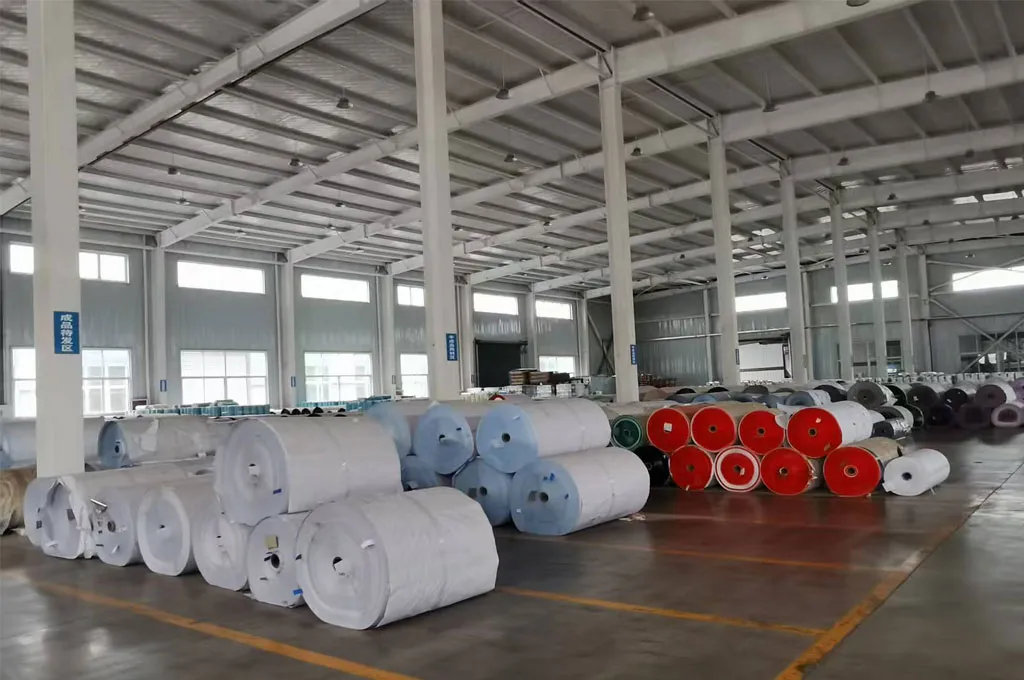
Layout efficiency reduces picking time and damage. Organize by SKU family and turnover; put high-turn items near packing and shipping zones. Enforce FIFO for film rolls to prevent aging and discoloration.
For distributors and e-commerce, split-packaging extends market reach by converting full rolls into smaller lengths with protective wrapping. If you partner with manufacturers owning production lines, you can coordinate lead times and reduce waste.
Note: Pulivk operates calendering, printing, and split-packaging lines in-house to streamline production and enable flexible packaging options.
Conduct quarterly reviews combining procurement performance, supplier lead times, and SKU profitability. Implement cycle counting for A items and investigate root causes of discrepancies.
Applying these best practices helps PVC film suppliers and distributors reduce costs, improve service rates, and scale operations without excess inventory risk. Start with SKU segmentation and one pilot zone for improved controls, then expand successful processes across your warehouse.