Address
304 North Cardinal St.
Dorchester Center, MA 02124
Work Hours
Monday to Friday: 7AM - 7PM
Weekend: 10AM - 5PM
Address
304 North Cardinal St.
Dorchester Center, MA 02124
Work Hours
Monday to Friday: 7AM - 7PM
Weekend: 10AM - 5PM


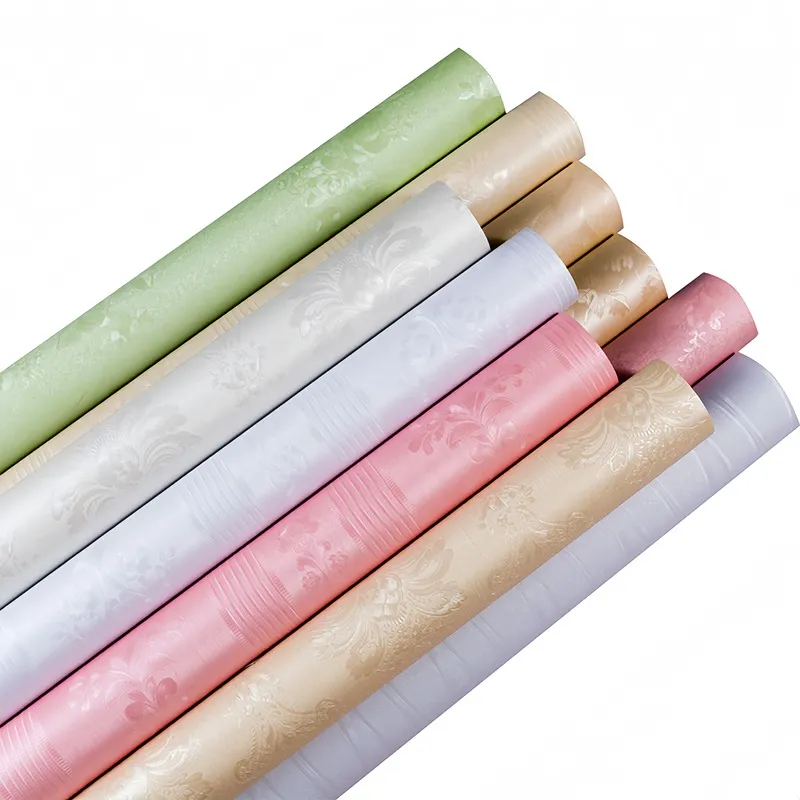
PVC film prices can vary dramatically — from budget rolls sold by commodity suppliers to premium, high-performance decorative films. Understanding the root causes helps buyers choose the right balance of cost, performance, and appearance for their projects.
Plasticizers, PVC resin grade, stabilizers and fillers directly affect cost. Higher-grade resins and low-odor, phthalate-free plasticizers increase material expenses but yield better durability, color stability and safety compliance. Cheap raw materials reduce upfront cost but can cause brittleness, discoloration and shorter service life.
Calendered single-layer film, multi-layer co-extruded film and laminated composites require different equipment and labor. Advanced calendering and lamination lines produce consistent thickness, better surface finish and fewer defects — and those process costs are reflected in price.
Thicker films or films engineered for abrasion resistance, flame retardance or waterproofing use more materials and specialized additives. A 200µm decorative film will cost more than a 50µm protective covering just because of material usage and production time.
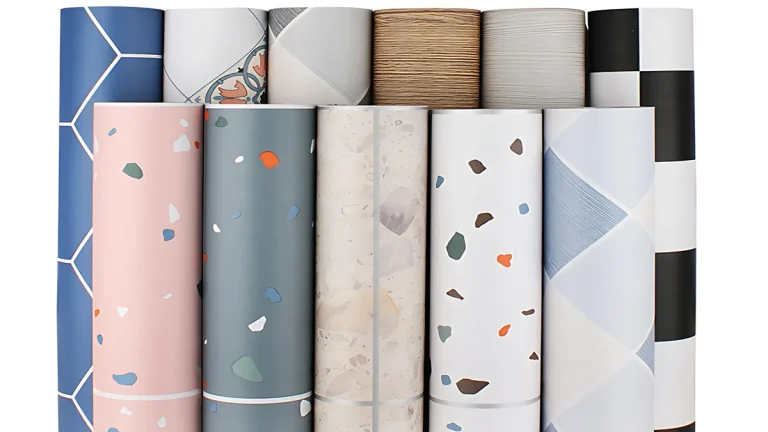
High-resolution printing, scratch-resistant coatings, anti-slip embossing, matte/pearl finishes and metallic foils all add process steps and cost. Custom printing with spot colors or multi-pass UV prints increases setup time and waste, which shows in the price.
Anti-static agents, UV stabilizers, antibacterial additives, anti-yellowing packages and fire retardants raise costs. For applications such as medical or outdoor exposures, these additives are essential — buyers pay more for proven long-term performance.
Manufacturers with robust QC processes (incoming material checks, in-line thickness measuring, color matching and batch traceability) have higher overheads. That investment reduces defect rates and warranty claims — reflected as a premium in product price.
Small, customized runs cost more per roll than large bulk orders due to setup, tooling and logistics. Express lead times or specialized split-packaging (pre-cut rolls, labeled single-roll packaging) also increase cost.
| PVC Film Type | Common Uses | Relative Price Range |
|---|---|---|
| Plain transparent protective film | Temporary surface protection, packaging | Low |
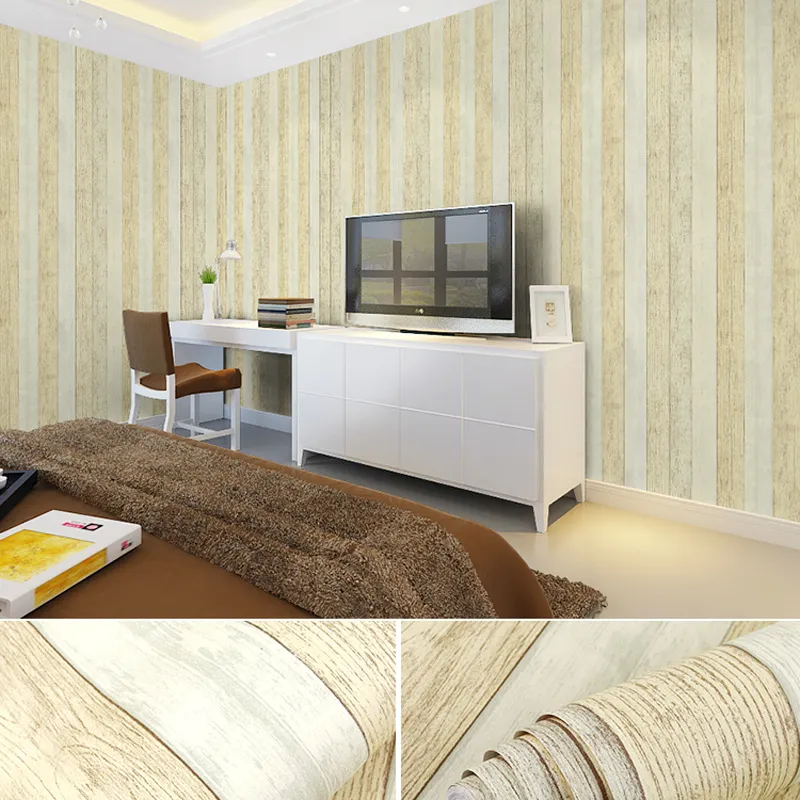
| Wood-grain decorative film | Furniture, cabinets, doors | Medium |
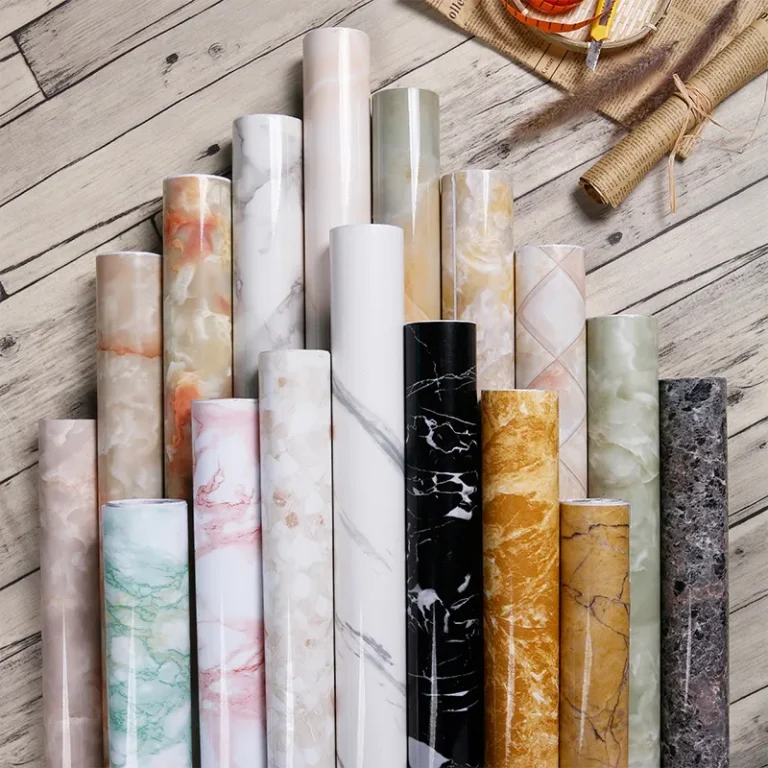
| Marble / 3D relief decorative film | High-end interiors, countertops | Medium–High |
| Self-adhesive / high tack film | Easy application, peel-and-stick projects | Medium |
| Specialty functional film (UV, antibacterial, flame retardant) | Medical, outdoor, safety-critical | High |
Compare quotes that include: resin specs, plasticizer type, thickness tolerance, surface finish, print method and QC process. Ask for samples and accelerated aging tests to assess long-term stability. Bulk ordering, standardizing specifications and minimizing custom colors are practical ways to lower unit cost.
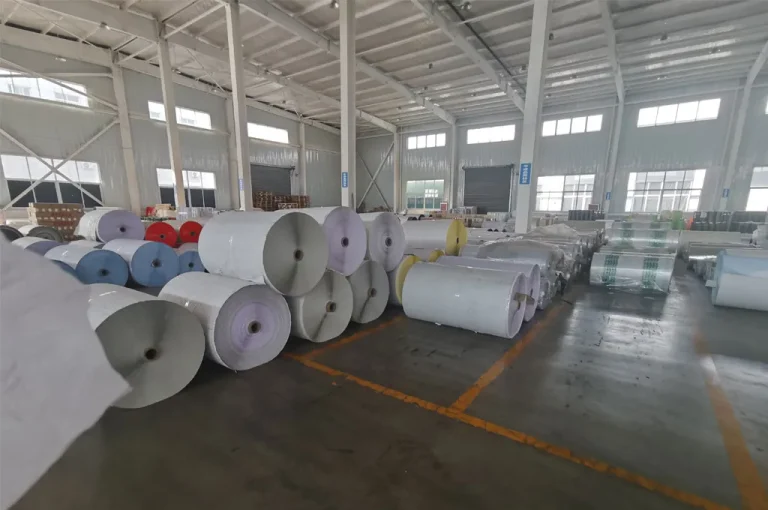
Suppliers that control raw material processing, calendering, printing and split-packaging reduce hidden markups and supply delays. Manufacturers with in-house production equipment cut cross-vendor coordination costs and often offer more consistent quality.
If you need stable quality, reliable lead times and source-level cost control for PVC film projects, Pulivk provides end-to-end production — from raw materials to finished split-packaged rolls. Visit https://pvcfilmtec.com/ for product details and sample requests.