Address
304 North Cardinal St.
Dorchester Center, MA 02124
Work Hours
Monday to Friday: 7AM - 7PM
Weekend: 10AM - 5PM
Address
304 North Cardinal St.
Dorchester Center, MA 02124
Work Hours
Monday to Friday: 7AM - 7PM
Weekend: 10AM - 5PM


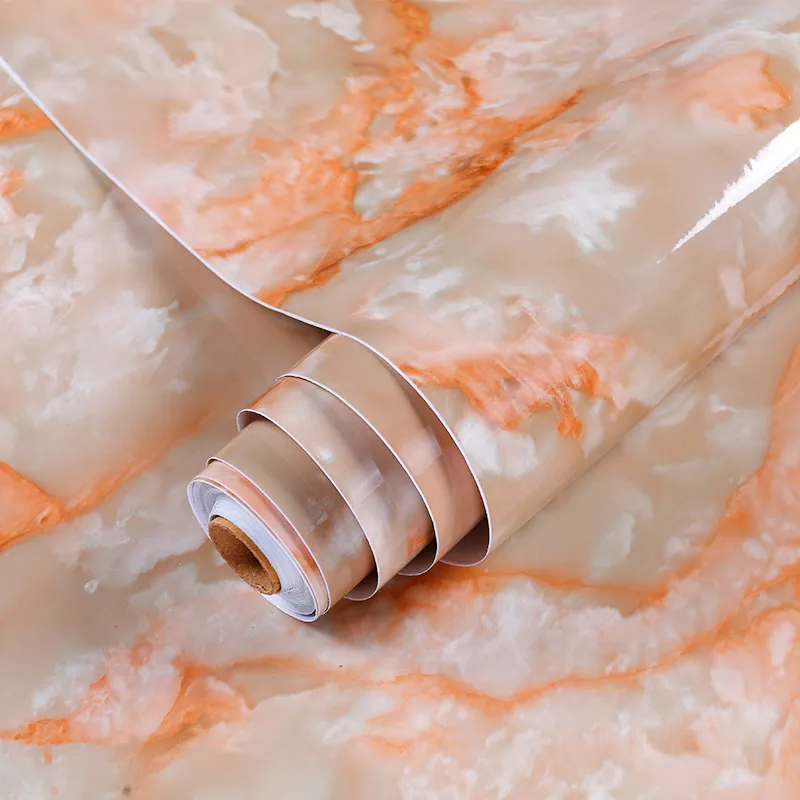
Scratch-resistant coatings for PVC film are engineered layers that protect decorative and functional surfaces from abrasion, scuffing, and everyday wear. These coatings extend product life, preserve appearance, and add functional properties such as UV resistance, chemical repellency, and improved hardness — essential for high-traffic applications like cabinetry, flooring, automotive trim, and electronic device wraps.
There are several mature technologies used to produce scratch-resistant PVC films. Each method balances cost, performance, and environmental considerations:
Fast-curing, solvent-free systems that deliver high surface hardness and excellent abrasion resistance. UV coatings are ideal for high-speed lines and tight production schedules.
Provide durable, flexible protection with superior chemical and abrasion resistance. Typically used where deep gloss and long-term performance are required.
A lower-VOC option that has improved significantly in recent years. Water-based systems are preferred for environmental compliance while offering good scratch and mar resistance.
Thin, highly crosslinked layers that use ceramic nanoparticles to boost hardness and create hydrophobic surfaces. These are often chosen for premium finishes and anti-fingerprint properties.
Combining a mechanical protective laminate or a hardtop layer over printed PVC film provides a robust two-step defense against scratches while enabling decorative versatility.
| Method | Key Features | Typical Hardness | Best For |
|---|---|---|---|
| UV-cured | Fast cure, low VOC, high gloss | High (H-levels) | Mass production, furniture film |
| Solvent PU | Very durable, flexible finish | Very High | Automotive, heavy use surfaces |
| Water-based | Lower VOC, improving durability | Medium-High | Eco-conscious projects |
| Nano-ceramic | Hydrophobic, anti-fingerprint | High | Premium panels, electronics wrap |
Manufacturers and specifiers rely on standardized tests to evaluate coating performance. Common metrics include:
Pendulum and Taber abrasion tests estimate how long a coating will resist scuffing under repeated friction.
Pencil hardness (ASTM D3363) and nanoindentation provide a quick gauge of surface scratch resistance; higher pencil grades indicate tougher surfaces.
Cohesion between the coating and PVC, plus the ability to flex without cracking, determine real-world durability on curved or bent substrates.
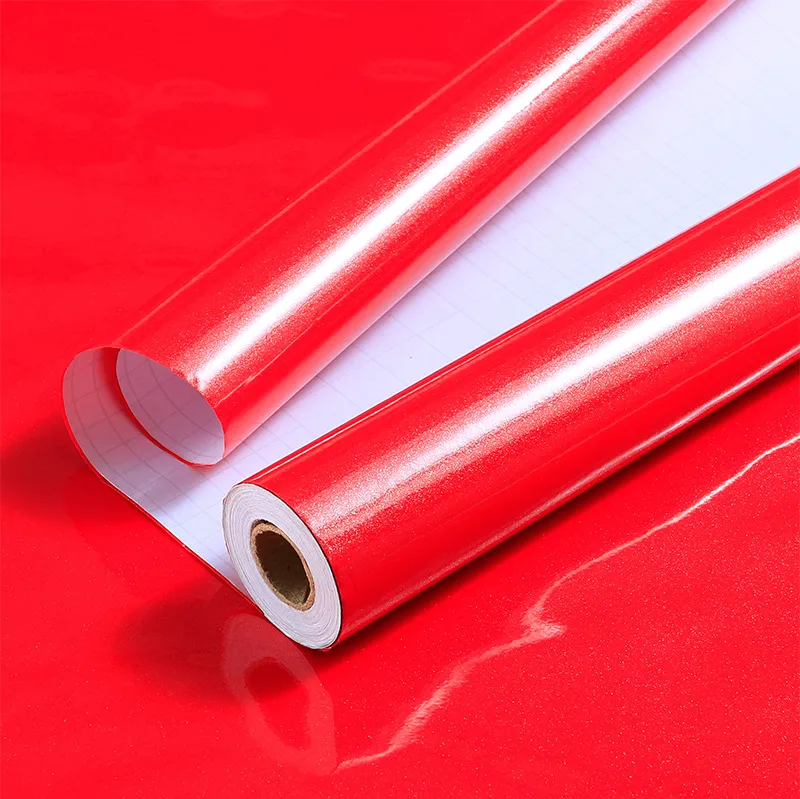
Extended surface life — protects decorative finishes from daily wear and reduces replacement costs. Improved aesthetics, easier cleaning, and additional protective properties like UV and chemical resistance are also common advantages.
Scratch-resistant PVC films are widely used across industries:
Match the coating to end-use requirements: for high-traffic surfaces choose high-hardness PU or UV systems; for cost-sensitive, large-volume runs consider water-based UV hybrid systems; for premium anti-fingerprint finishes evaluate nano-ceramic topcoats. Also review environmental regulations, cure speed, and line compatibility.
– Expected abrasion level and exposure
– Required surface gloss or texture
– Production line curing capabilities (UV/thermal)
– VOC and environmental targets
– Budget and expected product lifetime
Routine care extends life: use soft cloths, non-abrasive cleaners, and avoid harsh solvents. For matte coatings, gentle microfibre cleaning reduces micro-scratches; for glossy finishes, polish sparingly with manufacturer-approved products.
Pulivk (https://pvcfilmtec.com/) supports in-house calendering, printing, and split-packaging lines, enabling consistent quality, flexible OEM options, and stable lead times for coated PVC film projects.
Choosing the right scratch-resistant coating for PVC film requires balancing performance, cost, and production capability. Advances in UV, water-based, and nano-ceramic coatings give specifiers more options than ever — resulting in durable, beautiful surfaces across furniture, flooring, automotive, and consumer products.