Address
304 North Cardinal St.
Dorchester Center, MA 02124
Work Hours
Monday to Friday: 7AM - 7PM
Weekend: 10AM - 5PM
Address
304 North Cardinal St.
Dorchester Center, MA 02124
Work Hours
Monday to Friday: 7AM - 7PM
Weekend: 10AM - 5PM


Choosing a reliable PVC film manufacturer is not only about comparing prices—it’s about ensuring stable quality, consistent surface effects, compliance, and predictable delivery. Whether you source PVC decorative film for furniture panels, flooring, skirting, doors, home appliances, or advertising applications, a trustworthy supplier directly impacts your finished product’s appearance, durability, and customer satisfaction.
This guide explains how top PVC film manufacturers operate, what “reliable” really means in production terms, which specifications matter most, and how to evaluate suppliers with a clear, repeatable checklist—so you can buy quality PVC films with fewer surprises and better long-term performance.
Key takeaway:
The best manufacturers do not simply “sell rolls.” They control calendering, printing, slitting, and packaging end-to-end—then back it with QC data, traceability, and responsive service when you scale.
In the PVC film market, “top” manufacturers typically share three traits: process capability, quality system maturity, and application understanding. Many suppliers can produce a film that looks good on day one; fewer can keep the same gloss, emboss depth, color tone, and adhesion performance across multiple batches—especially when your project involves multiple SKUs or recurring orders.
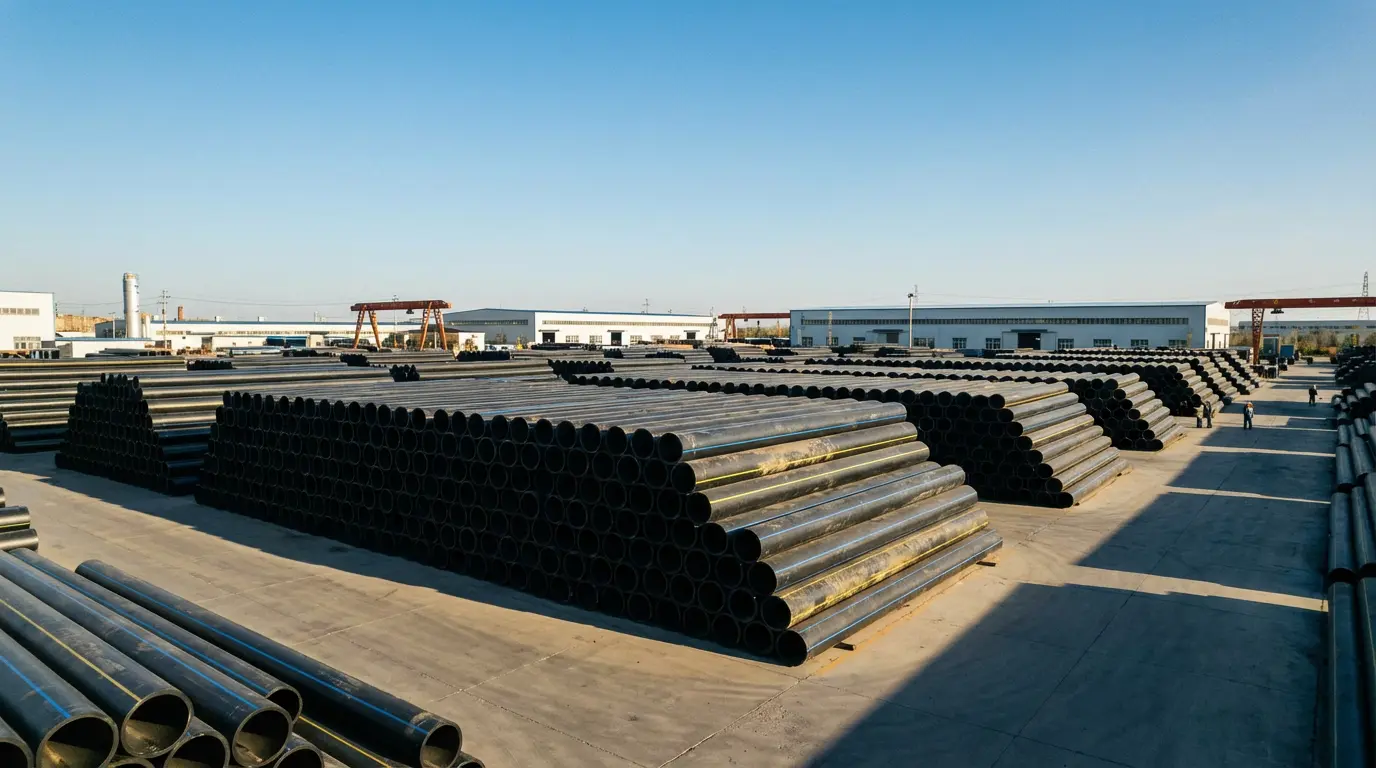
Manufacturers with complete production lines—calendering, printing, and slitting/packing—usually offer stronger control over thickness tolerance, surface uniformity, and lead time. Integrated production also reduces the risk of quality drift caused by subcontracting.
What to look for:
Ask whether the supplier can handle raw material control, calendering, printing, and final roll conversion in-house—and whether they can provide batch-level QC reports.
A strong manufacturer has documented checks from incoming raw materials to finished rolls: thickness measurement, tensile strength, elongation, adhesion performance (for self-adhesive or lamination films), surface defect inspection, and optical checks for transparent films. Certifications and compliance (e.g., ISO systems, REACH/RoHS/FDA where applicable) become especially important for indoor decoration, human-contact applications, medical packaging, and exports to regulated markets.
PVC film is used across furniture, building decoration, electronics, advertising, medical/cleanroom packaging, and household items. A top supplier can recommend appropriate film types—glossy vs. matte, embossed vs. flat, soft-touch vs. transparent—based on substrate, forming process, and end-use environment (humidity, heat, abrasion, cleaning agents).
Before evaluating manufacturers, clarify your film category and performance targets. The most common procurement problems come from mismatched film types—such as choosing a decorative film pattern that looks right but fails under forming, or selecting a self-adhesive film with the wrong tack for your surface.
Calendered film is widely used because it offers stable thickness control and scalable production. If you’re sourcing base films for printing/lamination, or need dependable mechanical properties for conversion, start with a verified calendering capability.
For reference product orientation, see:
Calendered Film.
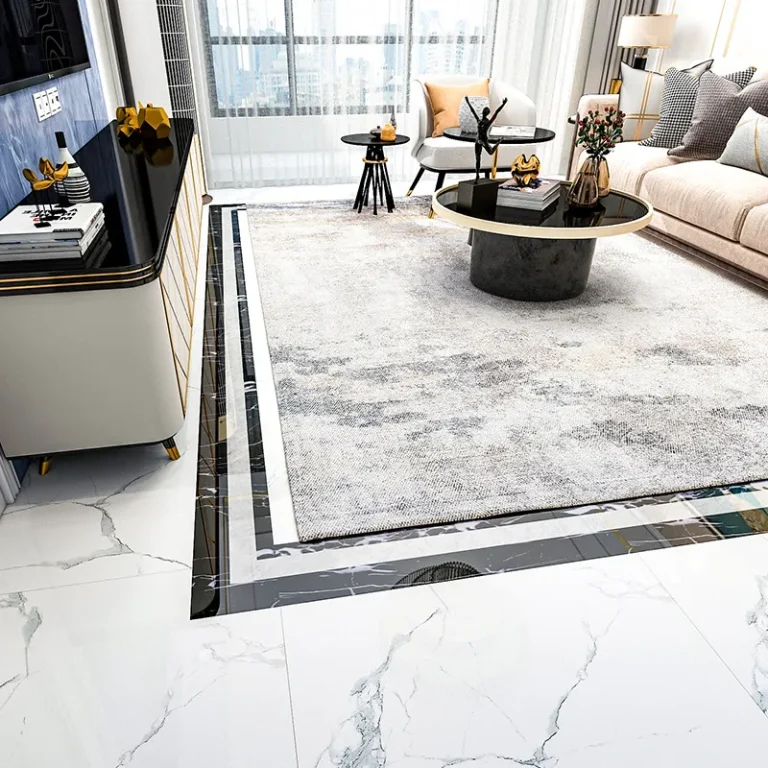
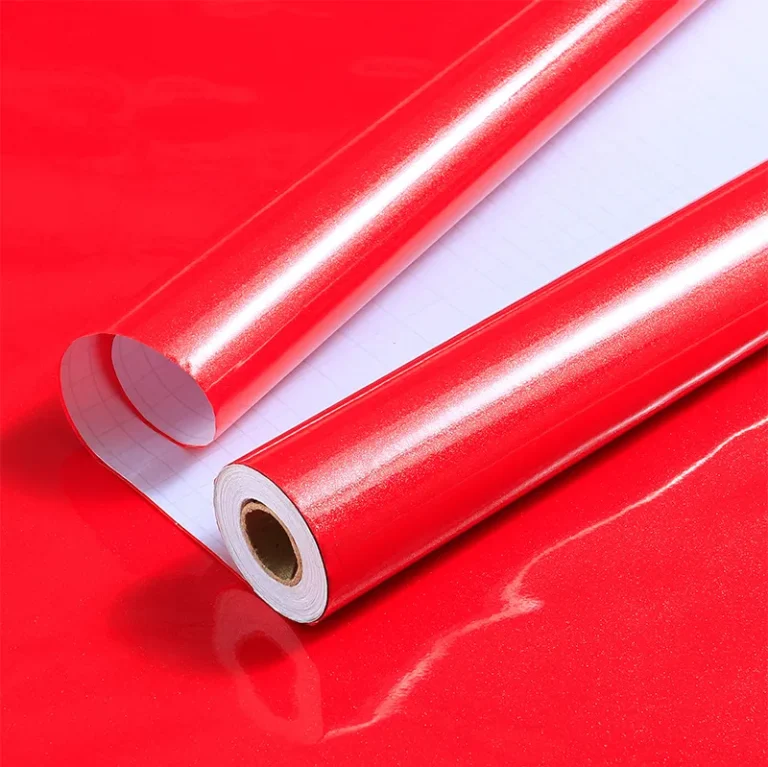
Decorative films cover wood grain, stone/marble, metallic looks, fabric textures, and solid colors, with finishes such as high gloss, matte, embossed, brushed, pearlescent, or 3D textures. A reliable manufacturer should be able to control color repeatability, printing registration, and emboss consistency—especially when your customers demand the same look across cabinets, doors, and skirting.
Common procurement items include:
Wood Grain Film
and
Marble Film.
Beyond aesthetics, many industries need functional coatings or treatments: anti-static for electronics handling, anti-fog for visibility, protective films for scratch avoidance during transport/installation, or self-adhesive layers for renovation and quick installation scenarios. For flooring and heavy-use surfaces, abrasion resistance and dimensional stability become critical.
Flooring-oriented sourcing often begins with:
Floor Film.
To choose a truly reliable PVC film manufacturer, you need more than a catalog and a sample book. You need evidence that the supplier can repeat what they showed you—at scale—under your packaging, shipping, and production conditions.
✔ Buyer tip:
Request a pre-production sample plus a pilot roll (where possible), then run it through your real process: lamination/pressing, thermoforming, wrapping, cutting, and cleaning tests.
Quality starts with resin selection, plasticizer system, stabilizers, and pigments/inks. Reliable suppliers can explain how their formula supports your use case (indoor odor control, durability, flexibility, or stiffness) and can offer documentation for restricted substances if your market requires it.
Thickness consistency affects emboss feel, gloss uniformity, and forming behavior. Width tolerance affects your converting yield. Ask for the supplier’s standard tolerances and how they measure them (frequency, equipment, and acceptance criteria). If you slit rolls into custom widths, confirm whether the supplier labels each roll with full traceability.
For decorative films, color matching is often the hardest part, especially across different lighting environments (showrooms, retail, homes). Ask how they manage:
ink batch control, color measurement, and repeatability.
Also ask whether they can create and lock a reference standard for ongoing orders.
Surface is what customers notice first. Reliability means the same feel and appearance from roll to roll—no uneven gloss, random haze, or unstable emboss depth. If you sell premium interior decoration, consider higher-end textures such as:
3D Silk Texture Film.
Even perfect film can fail at delivery if packaging is weak. Professional manufacturers typically wrap each roll with dust-proof PE film or kraft paper, add specification labels, protect edges, and use export-ready outer packaging with moisture and impact resistance. Confirm roll orientation, pallet standards, and whether they support mixed SKUs per shipment.
Many buyers need more than standard stock film: they need custom thickness, specific width for their wrapping machine, a matching color set for a furniture collection, or a new pattern to stand out in the market. Strong manufacturers treat OEM/ODM as a controlled process—not a one-off experiment.
Customization commonly includes:
thickness, width, roll length, emboss type, gloss level, matte feel, color/pattern development, printing registration, adhesive performance (for self-adhesive films), and packaging/label format. If you operate multiple product lines (e.g., cabinets + skirting + wall panels), you’ll benefit from a supplier who can unify the surface style across film series.
⚙ Execution detail that matters:
Ask the supplier to document your finalized specification as a locked standard (sample reference + measurable parameters). This reduces disputes and improves re-order consistency.
Some supplier risks only appear after you scale. These warning signs often indicate future quality drift, delivery delays, or hidden costs.
Buyers frequently focus on the unit price per roll, but the true cost includes rejects, rework, delays, customer complaints, and warranty claims. Full-process manufacturers can reduce total cost by improving consistency and delivery predictability—especially for large projects or multi-country distribution.
A manufacturer with end-to-end control can also optimize your order: reduce waste by slitting to your exact width, align printing/emboss schedules to shorten lead time, and package rolls to minimize in-transit damage. Over time, this often beats a cheaper quote from a trading chain with unclear production control.
Focus on decorative consistency (wood/cloth/solid), scratch resistance, stable emboss, and color repeatability for cabinet doors and panels.
Prioritize indoor safety, low odor, easy cleaning, and moisture resistance for wall panels, partitions, and ceilings.
Consider anti-static and protective properties, plus stable adhesion/peel behavior and neat slitting for efficient assembly lines.
Seek consistent printability, dimensional stability, and reliable roll flatness to avoid wrinkling during installation.
Require traceability, compliance documentation, and controlled cleanliness in packing—plus stable transparency and sealing performance where applicable.
If you want a repeatable sourcing process (especially when onboarding new suppliers), use a structured workflow. It keeps decisions consistent across projects and helps you compare suppliers based on evidence rather than promises.
📌 For fast evaluation:
Ask if the supplier can support virtual factory tours and provide third-party verification options when needed. These two signals often correlate with better transparency and long-term reliability.
PVC film is a thin polyvinyl chloride sheet used for decoration, protection, insulation, and packaging. It’s popular because it can combine strong aesthetics (wood/marble/metal looks) with durability, easy cleaning, and scalable manufacturing.
Request batch QC records, tolerance standards, and traceability; then test a pilot roll in your real process. Reliable suppliers can reproduce the same appearance and performance across repeat orders.
Yes. OEM/ODM customization typically includes thickness, width, roll size, emboss, gloss/matte level, color and pattern development, surface treatments (e.g., anti-static), and packaging/labeling.
Depending on your market and application, ask for ISO-related management certificates and restricted-substance compliance such as REACH/RoHS and other relevant safety statements or test reports.
Lead time is driven by customization level, printing/emboss scheduling, order volume, and packaging requirements. Suppliers with full-process lines and structured production planning are usually more predictable.