Address
304 North Cardinal St.
Dorchester Center, MA 02124
Work Hours
Monday to Friday: 7AM - 7PM
Weekend: 10AM - 5PM
Address
304 North Cardinal St.
Dorchester Center, MA 02124
Work Hours
Monday to Friday: 7AM - 7PM
Weekend: 10AM - 5PM


 ByPulivk
Choosing the right PVC film can transform a simple door into a durable, attractive, and weather-resistant product. For door makers in Tanzania—where humidity, coastal salt air, and strong sunlight affect material performance—selecting the correct film type, thickness, finish, and backing is essential for long-lasting doors that appeal to local customers.
In Tanzania, door buyers expect a balance of affordability, durability, and good looks. PVC decorative film provides an economical way to achieve woodgrain, marble, or glossy effects on MDF, HDF or PVC door substrates. The right film helps protect against moisture, resists fading under sun exposure, and reduces maintenance—important in coastal cities such as Dar es Salaam and Mtwara, as well as humid inland regions.
| Film Type | Appearance | Thickness (mm) | Best For | Durability |
|---|---|---|---|---|
| Woodgrain Calendered | Realistic wood textures, matte/semi-gloss | 0.12 – 0.35 | Bedroom/Interior doors, wardrobes | High |
| Glossy (Polished) | High-gloss mirror effect | 0.15 – 0.40 | Modern interior doors, high-end kitchens | Medium (needs anti-scratch) |
| Matte / Anti-fingerprint | Soft, contemporary look | 0.12 – 0.30 | Popular for local middle-class homes | High |
| 3D / Silk Texture | Tactile texture, premium finish | 0.18 – 0.5 | Showroom doors, custom projects | Very High |
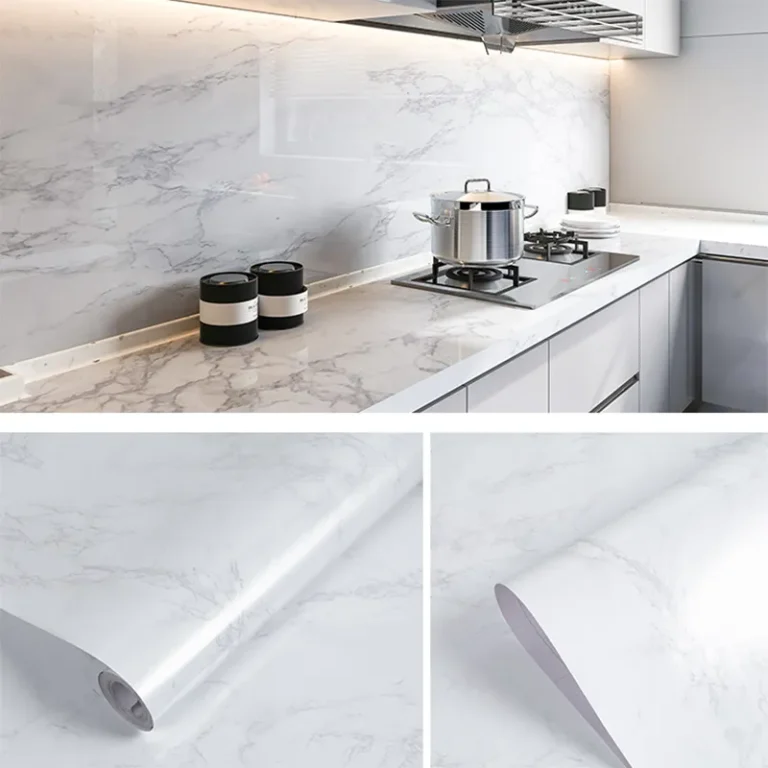
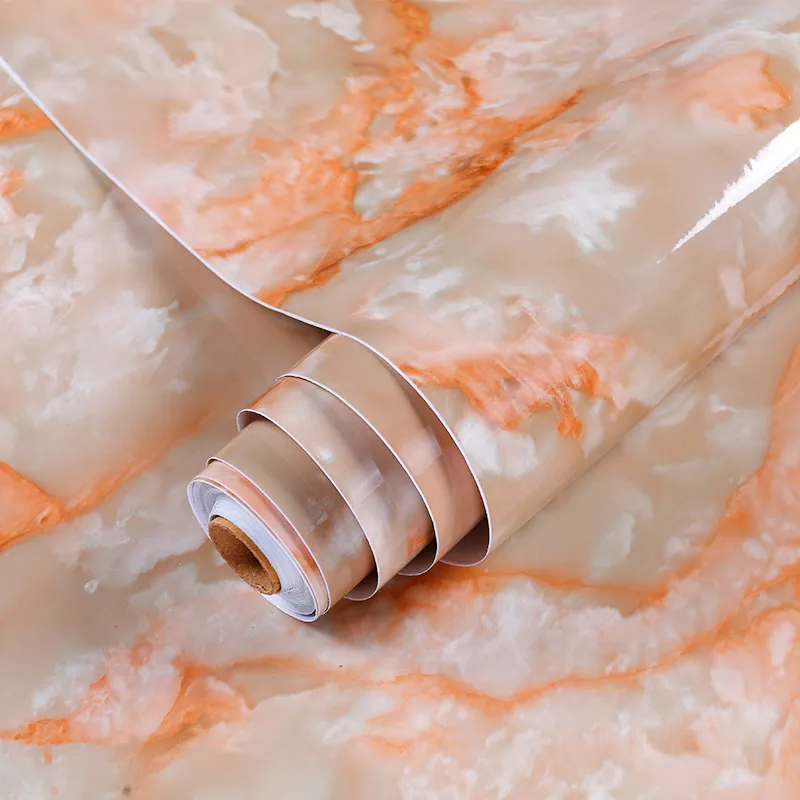
| Stone / Marble Effect | Marble patterns, luxurious look | 0.20 – 0.45 | Feature doors, modern villas | High |
For most interior door faces, start with 0.12–0.25 mm films. Use 0.25–0.45 mm for heavy-use doors or routed designs. Always test adhesion on a sample substrate: peel strength above local standard thresholds and resistance after 72-hour humidity exposure are good indicators of long-term reliability.
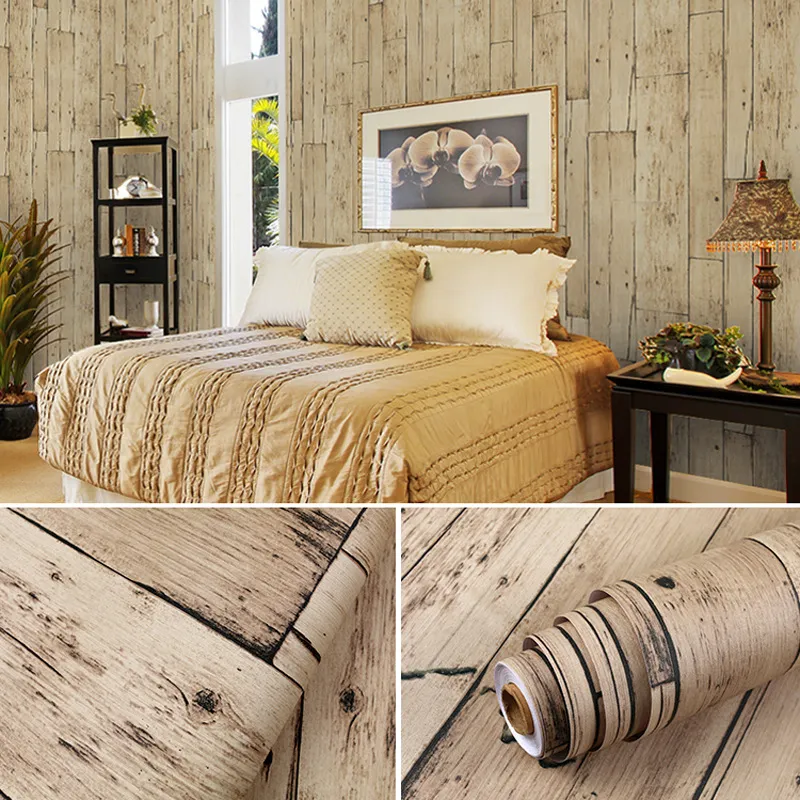
Embossed grains hide minor scratches and are excellent for everyday residential doors. If supplying to hotels or institutions in Tanzania, choose films with an additional anti-scratch topcoat. For shiny finishes, specify a high-gloss lacquered film or a protective coating to guard against micro-scratches.
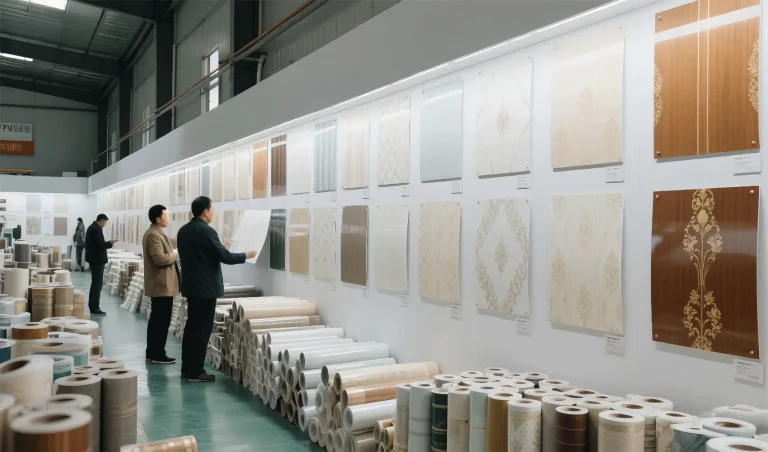
Look for suppliers who offer flexible OEM support, split-packaging, and reliable lead times. Pulivk (https://pvcfilmtec.com/) provides in-house calendering, printing, and split-packaging which helps reduce lead times and simplifies logistics for African importers. Ask for roll-by-roll labeling and dust-proof wrapping to keep inventory clean in Tanzanian warehouses.
By focusing on film performance (adhesion, flexibility, UV resistance) and matching finishes to local tastes, Tanzanian door makers can deliver attractive, durable doors that stand up to the climate while keeping costs competitive.