Address
304 North Cardinal St.
Dorchester Center, MA 02124
Work Hours
Monday to Friday: 7AM - 7PM
Weekend: 10AM - 5PM
Address
304 North Cardinal St.
Dorchester Center, MA 02124
Work Hours
Monday to Friday: 7AM - 7PM
Weekend: 10AM - 5PM


PVC calendered film is one of the most widely used materials for decoration, protection, insulation, and functional surfaces across furniture, construction, electronics, advertising, medical, and household products. If you are sourcing internationally, the supplier you choose will directly impact your product’s surface feel, visual consistency, durability, compliance, and delivery stability—especially when you scale from sampling to mass production.
This guide explains what to look for in top PVC calendered film manufacturers, how to evaluate quality and factory capability, and how to match the right film specification to your real application needs.
A top manufacturer is not only defined by output volume. The best suppliers combine process control, consistent raw material management, repeatable surface/print quality, and documented compliance—while still being flexible enough to support customized sizes, patterns, coatings, and packaging.
Key signal of a strong factory: they can run calendering → printing → slitting → packaging in-house, so they control quality at every stage and reduce lead-time risks caused by outsourcing.
PVC calendered film is produced by heating a PVC compound and forming it into a precise sheet through a series of calender rolls. Compared with some alternative processes, calendering is well-known for uniform thickness control, stable mechanical properties, and scalable production—making it ideal for decorative and functional surfaces at industrial volumes.
If you are evaluating product categories, start with a dedicated page such as
Calendered Film
to align your specification language with what factories actually produce.
When a supplier manages the full workflow internally, you get fewer handoff errors (color deviation, emboss mismatch, edge damage) and better batch-to-batch repeatability. Ask for a clear explanation of their production flow, inspection points, and traceability method.
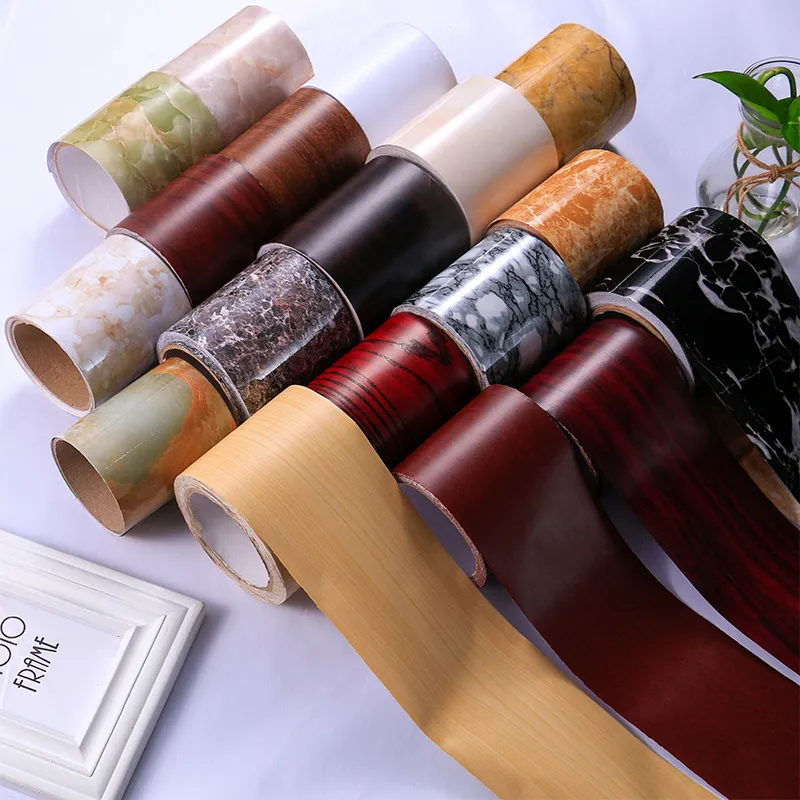
Top manufacturers typically offer more than one finish or function: transparent, frosted, embossed, pearlescent, colored, anti-static, self-adhesive, single-layer or laminated composites, and application-ready roll formats. A wide portfolio helps you keep one supplier across multiple SKUs—reducing qualification time and simplifying inventory.
✔ Practical tip: If your catalog includes both decorative and functional items (e.g., cabinet surfaces + anti-static liners), shortlist suppliers that can support both aesthetics and engineered coatings under one QC system.
For furniture and interior décor, visual consistency is often the #1 complaint when sourcing fails. Evaluate:
color ΔE tolerance, gloss stability, emboss-to-print registration, and how the film looks under real lighting (warm/cool LED, showroom spots, daylight).
If your product requires elevated tactility or premium texture effects, review specialty categories like
3D Silk Texture Film
and ask for matched samples across different lots to verify repeatability.
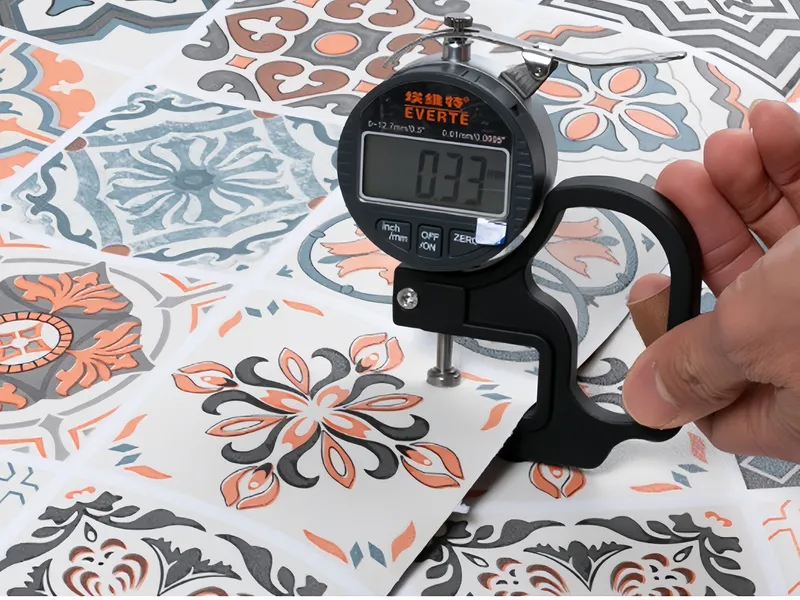
The right thickness depends on your lamination method, substrate, and expected wear. Demand measurement data on thickness tolerance and key mechanical properties (tear resistance, tensile strength, elongation, shrink/warp behavior). Calendering can deliver strong uniformity—but only if the factory runs disciplined process control and routine testing.
If the film is used in electronics, clean packaging, or environments sensitive to dust and static, request available surface treatments and corresponding test reports. A top supplier will clearly explain durability of the coating, expected lifespan, and any processing notes (e.g., storage humidity, lamination temperature window).
Strong manufacturers should support mainstream requirements such as ISO quality systems and chemical safety/regulatory frameworks relevant to your market. If you sell into regulated channels, confirm the supplier can provide consistent documentation per batch and respond quickly to audits or customer inquiries.
⚠ Focus point: If the film is for indoor décor or frequent human contact, confirm the supplier uses environmentally safer inks and can support relevant compliance (e.g., REACH/RoHS/FDA where applicable) with third-party reports when needed.
Many factories claim customization; fewer can deliver it reliably. Evaluate OEM/ODM by asking for:
color matching process, print cylinder timeline, emboss options, adhesive options (if self-adhesive), and packaging customization. Also verify how they prevent mistakes across similar patterns and how they label rolls for traceability.
A supplier with multi-industry experience can warn you about failure modes you might not anticipate—such as plasticizer migration risk with certain adhesives, abrasion performance on high-touch doors, or static/dust issues in electronics packaging. Ask for reference applications close to yours (not only generic “decorative film” claims).
PVC films are easily damaged by edge impacts, dust contamination, moisture, and telescoping during transport. A reliable exporter will provide export-ready packing, roll-by-roll protection (e.g., dust-proof wrap), and clear spec labels to reduce receiving errors at your warehouse.
Stable lead times require production planning and inventory management, not just “fast machines.” Evaluate how they schedule trial orders, how they handle urgent replenishment, and whether they can support consistent delivery at scale. Also assess responsiveness: sampling and quotation speed often predicts how after-sales issues will be handled.
For cabinet doors, panels, and table surfaces, prioritize scratch resistance, stable gloss, and consistent patterns (wood/stone/solid colors). Request abrasion tests if the surface is high-touch, and confirm the film performs well with your lamination method (vacuum press, flat lamination, wrapping).
If you need a natural décor look, evaluate options like
Wood Grain Film
for pattern depth, repeat length, and batch consistency under various lighting.
Wall panels, ceilings, partitions, and trims require a balance of appearance and durability. For trims and edges, confirm thickness and flexibility to avoid cracking during installation. For wall décor projects, ensure color matching across rooms and verify cleanability for long-term maintenance.
For finishing details, a product type like
PVC skirting film
can help align baseboard aesthetics with your wall/furniture décor series.
Flooring demands wear resistance, stable dimensions, and reliable surface texture for slip considerations. Ask about wear layer concepts (if applicable), emboss durability, and how the surface holds up to routine cleaning chemicals.
If your project is flooring-oriented, review a category such as
Floor Film
and compare multiple finishes (matte, textured, embossed) under real use expectations.
For insulation, protection, and anti-static needs, prioritize functional test results, coating durability, and stable thickness control. Confirm the film’s compatibility with downstream processes such as die-cutting, heat sealing, and automated lamination.
For protective barriers and clean packaging, evaluate odor, cleanliness, compliance documentation, and the supplier’s ability to maintain stable production conditions. Ask how rolls are protected against dust and how batch traceability is managed for quality investigations.
Many buyers focus on unit price, but total cost includes quality issues, rework, delays, and claim handling. Manufacturers with in-house calendering, printing, and slitting/packaging can reduce hidden costs by:
catching defects early, stabilizing delivery, and aligning multiple SKUs under one production plan.
★ Buyer outcome: Better process control typically means fewer shade issues, fewer emboss mismatches, less telescoping damage, and faster root-cause response—especially important when you run tight installation schedules or retail promotions.
Always validate with your real substrate and process: vacuum press/lamination temperature, adhesive type, line speed, and curing time. Examine corners, wrapped edges, and high-stress zones. Check appearance under the lighting your customers use (showroom LEDs, home warm lighting, daylight by windows).
The best way to evaluate a manufacturer is not one perfect sample—it’s repeatability. Ask for samples from different production lots (when possible), and compare gloss, color, emboss depth, and surface defects.
Receiving damaged rolls can destroy an otherwise good sourcing plan. During sampling, request the same export packaging method planned for mass production to evaluate edge protection, dust control, and labeling clarity.
1) Choosing by price only: cheaper film can cost more if it creates higher defect rates or installation failures.
2) Ignoring downstream compatibility: even a beautiful film may fail if it doesn’t match your lamination temperature, adhesive, or substrate.
3) Skipping documentation checks: compliance paperwork and traceability are critical for regulated markets and professional buyers.
4) Weak sample evaluation: test only in-office appearance instead of real wear, cleaning, heat, and edge-wrapping conditions.
PVC film is a thin polyvinyl chloride sheet used for decoration, protection, and industrial functions. Calendered film is formed through calender rolls to achieve stable thickness control and scalable, consistent production.
Common uses include furniture surfaces, doors and wall panels, flooring layers, advertising graphics, electronics insulation/protection (including anti-static), and clean packaging solutions depending on coatings and compliance needs.
Yes—strong suppliers provide OEM/ODM customization across thickness, width, roll length, color/pattern printing, surface finishes (gloss/matte/emboss), functional coatings, and export-ready packaging with clear labels.
Share the product type, thickness, width, roll length, finish (gloss/matte/emboss), color/pattern, functional requirements (anti-static/anti-fog/food-grade), target application/substrate, and expected quantity.
They control the full process, run multi-stage QC from raw materials to finished rolls, keep traceability, test key performance indicators (thickness, strength, adhesion, optics), and can support third-party verification when required.