Address
304 North Cardinal St.
Dorchester Center, MA 02124
Work Hours
Monday to Friday: 7AM - 7PM
Weekend: 10AM - 5PM
Address
304 North Cardinal St.
Dorchester Center, MA 02124
Work Hours
Monday to Friday: 7AM - 7PM
Weekend: 10AM - 5PM


PVC wood grain film is a high-performance decorative wrap designed to bring the warmth of natural timber to modern interiors—without the cost, maintenance, or moisture sensitivity of real wood. Used widely on furniture panels, doors, and cabinets, it delivers consistent color, realistic grain depth, and dependable surface protection for everyday living and commercial spaces.
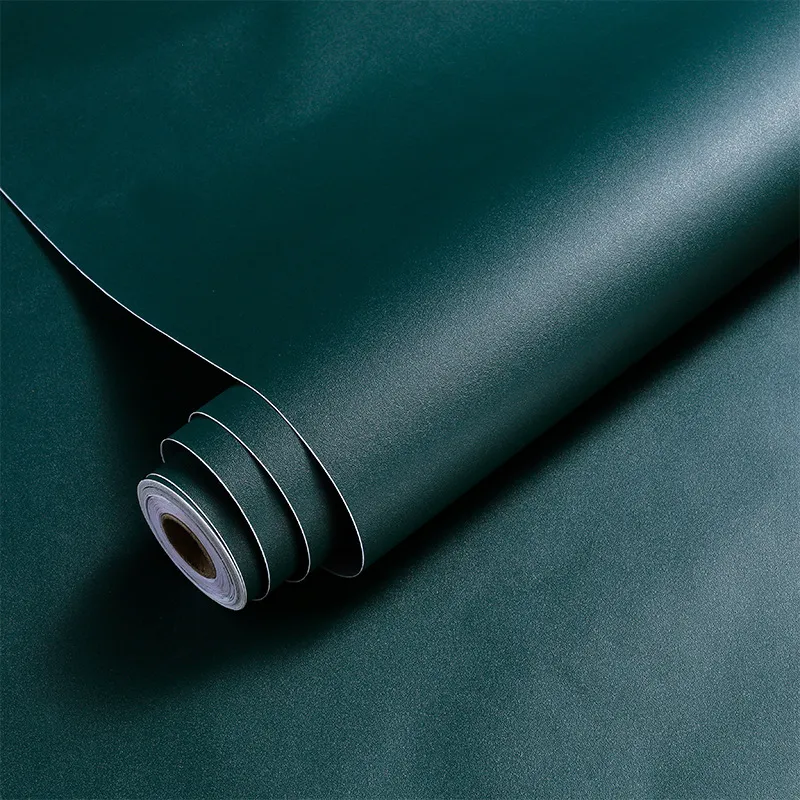
Key idea:
PVC wood grain film combines decorative realism with waterproof, scratch-resistant practicality, making it ideal for high-touch surfaces like cabinet doors, wardrobes, hotel furniture, and retail fixtures.
➤ Looking for a product reference? Explore Wood Grain Film options for furniture and interior wrapping.
PVC wood grain film is engineered to solve a common design challenge: people love the look of wood, but real wood surfaces can be costly, inconsistent in tone, and vulnerable to humidity, stains, and warping. With PVC film, you can achieve stable aesthetics at scale while adding a protective layer that is easier to clean and maintain.
✔ Durable surface
Designed for daily wear, the film helps resist scratches, scuffs, and minor impacts on doors, cabinet faces, and tabletops.
✔ Waterproof & easy to wipe
The surface is suitable for kitchens, bathrooms, laundry areas, and other moisture-prone environments when properly laminated and sealed.
✔ Consistent wood aesthetics
Uniform color and grain matching supports large projects—hotel rooms, office fit-outs, chain stores—without batch-to-batch surprises.
PVC wood grain film is versatile because it can be processed into multiple finishing routes—lamination, wrapping, membrane pressing, or self-adhesive applications. It’s commonly applied to MDF, plywood, particleboard, and other engineered substrates to create durable, design-forward surfaces.
For wardrobes, bedside tables, desks, TV stands, and hotel furniture, wood grain film provides a clean, modern look with lower maintenance. Matte or soft-touch textures can create a premium feel, while embossed grains enhance realism.
Interior doors, flush doors, and decorative wall panels benefit from the film’s abrasion resistance and stable color. With the right finish selection, you can achieve everything from minimalist light oak to deep walnut tones for classic or contemporary interiors.
Cabinet fronts face frequent cleaning, steam, splashes, and fingerprints. A well-specified PVC film can help preserve the surface appearance, reduce staining, and simplify upkeep—especially on glossy, semi-matte, or anti-oil functional finishes.
Practical pairing tip: For kitchens that need extra protection from cooking residue, consider functional surfaces like Kitchen Anti-oil Film for problem areas (backsplashes, near stoves) while keeping wood grain film on cabinet faces for cohesive design.
⚑ Always match film selection to the cleaning routine used on site—industrial detergents and strong solvents may require upgraded topcoats.
Not all PVC films perform the same. A major factor is how the film is made. Calendered production helps control thickness stability, surface smoothness, and mechanical performance—critical for consistent lamination and reliable wrapping on corners and profiles.
For a deeper look at base materials, refer to Calendered Film specifications, which are widely used as a foundation for decorative and functional film products.
One reason PVC wood grain film is widely specified by designers and manufacturers is the breadth of available patterns and surface effects. You can match modern interior trends—light Scandinavian tones, warm mid-century walnut, or deep, dramatic espresso—while controlling gloss and tactile feel.
➤ Glossy enhances contrast and looks sleek, but shows fingerprints more easily.
➤ Matte feels modern and hides minor scuffs better for busy spaces.
➤ Embossed texture improves realism and grip, often preferred for doors and panels.
➤ Soft-touch adds a premium tactile feel for high-end cabinetry and furniture.
The best-looking film can still fail if the substrate, adhesive, or processing conditions are wrong. In furniture and door production, consistent results come from controlling preparation, temperature, pressure, and edge finishing.
Ensure boards are clean, dry, and properly sanded; remove dust and oil; and maintain stable humidity before lamination. Uneven surfaces will telegraph through the film, especially under glossy finishes or strong lighting.
Different production lines use different adhesive systems and heating methods. Confirm recommended bonding methods with the film supplier and run pilot tests before mass production—especially for profile wrapping, deep emboss, or complex door shapes.
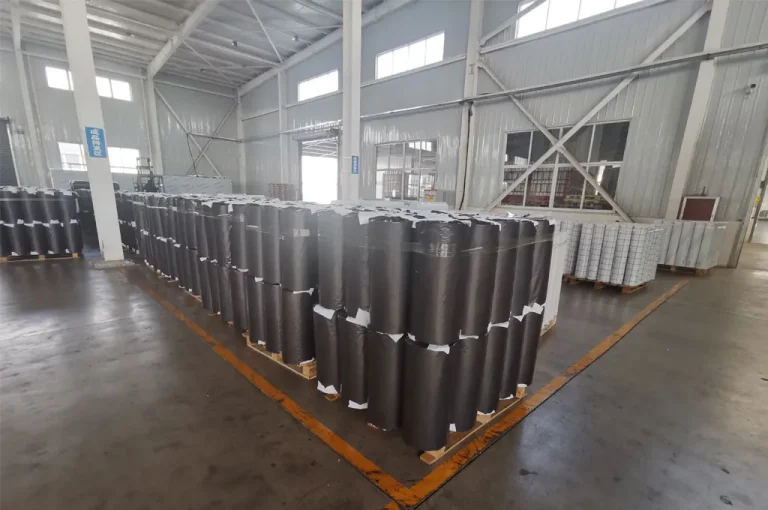
Pulivk Film specializes in PVC film R&D and manufacturing, supplying decorative solutions across furniture, construction, electronics, advertising, medical, and home improvement industries. With integrated calendering, printing, and slitting/packaging lines, projects can move faster from sampling to stable mass production—while maintaining consistent quality standards.
Because the workflow—from raw material processing through printing and final roll packaging—is managed within a complete production system, customers benefit from stronger quality control and more predictable lead times. Rolls can be slit and packed to specification, individually wrapped with dust-proof PE film or kraft paper, and labeled for safer transport and receiving.
OEM/ODM options typically include thickness, width, roll length, pattern development, color matching, emboss selection, and functional surface treatments such as anti-static, anti-fog, or special protective coatings. For brands managing multiple product lines, this helps standardize finishes across cabinets, doors, skirting, and furniture panels.
If your project includes adjacent interior materials, you may also coordinate complementary categories such as PVC Skirting Film for consistent baseboard design, or surface alternatives like Marble Film to balance warm wood with stone accents.
In real homes and commercial environments, the best decorative surfaces are the ones people don’t have to worry about. PVC wood grain film supports this by offering an easy-clean finish that performs well under routine handling, splashes, and frequent wiping—especially compared with unfinished natural wood.
PVC film surfaces are highly water-resistant, but overall waterproof performance depends on substrate quality, edge sealing, adhesive selection, and installation workmanship. For bathrooms and kitchens, focus on joint treatment and long-term heat/steam exposure in design planning.
For interior applications, safety and compliance are as important as appearance. Pulivk Film uses environmentally friendly, non-toxic inks and emphasizes stable performance for long-term indoor use. Depending on the specification, films can meet common compliance requirements such as ISO systems and chemical safety expectations for global markets.
For buyers working on regulated projects—public spaces, healthcare environments, or export-oriented furniture—request relevant documentation early to align the film, adhesive, and substrate as a complete compliant system.
Selection is easier when you start from the real usage scenario. A wardrobe door in a bedroom and a cabinet door next to a stove have very different demands. Choosing correctly reduces returns, improves customer satisfaction, and stabilizes mass production.
1) Where will it be used? Kitchen/bathroom, hotel, office, retail, residential?
2) What surface feel is required? Matte, glossy, embossed, soft-touch?
3) What is the substrate and process? Flat lamination, profile wrapping, membrane pressing?
4) What tests matter most? Adhesion, scratch resistance, heat resistance, stain resistance?
5) What is your delivery plan? Roll size, slit width, packaging, labeling, lead time?
When you’re ready to proceed with sampling or quotation, prepare a clear request including thickness, width, pattern preference, surface finish, quantity, and application method. This shortens sampling cycles and improves the chance that your first trial run performs exactly as expected.
It’s used to decorate and protect surfaces such as cabinet doors, wardrobes, furniture panels, interior doors, and wall elements—delivering a realistic wood look with easier maintenance.
The film surface is highly water-resistant, but real-world performance depends on substrate quality and proper sealing/adhesion—especially at edges, joints, and cutouts.
Yes. OEM/ODM customization commonly covers thickness, width, roll size, printed grain pattern, emboss texture, functional coatings, and export-ready packaging/labeling.
Share your target application (furniture/doors/cabinets), substrate type, processing method, required thickness/width, finish (matte/gloss/emboss), pattern preference, and estimated quantity.
Consistency is supported by full-process production control (calendering, printing, slitting/packaging), multi-step QC checks, and batch traceability, with third-party verification available when required.