Address
304 North Cardinal St.
Dorchester Center, MA 02124
Work Hours
Monday to Friday: 7AM - 7PM
Weekend: 10AM - 5PM
Address
304 North Cardinal St.
Dorchester Center, MA 02124
Work Hours
Monday to Friday: 7AM - 7PM
Weekend: 10AM - 5PM


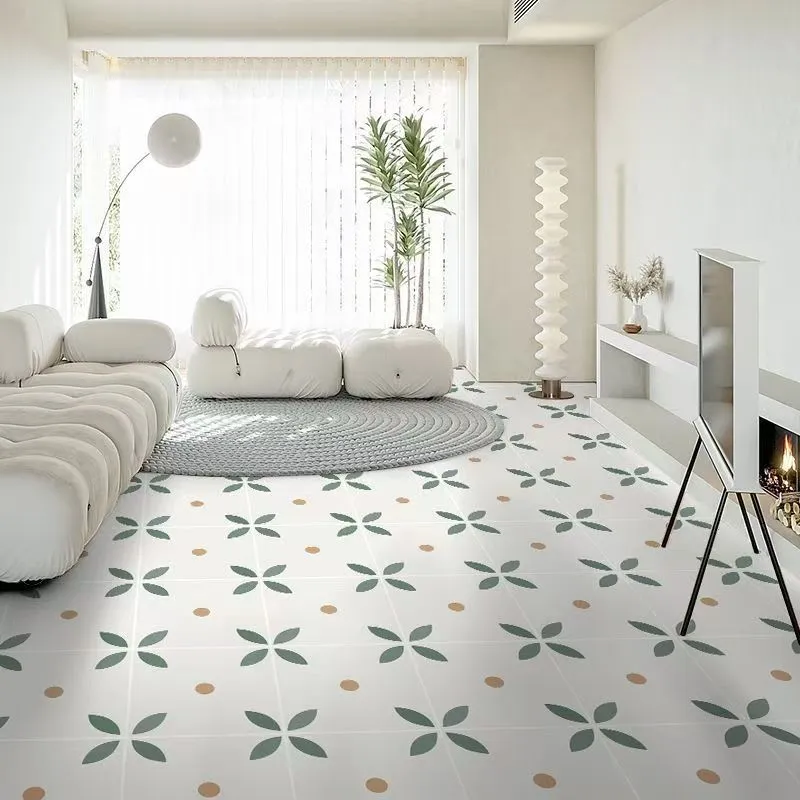
Choosing the right PVC air duct film for your HVAC or construction project starts with understanding how price relates to performance. This guide explains the main price drivers, helps you compare options quickly, and shows practical ways to select the best value film for your scope and budget.
PVC air duct film is a flexible protective layer used to wrap, line, or seal ducts and components in ventilation systems. Prices can vary widely depending on film thickness, surface treatment, adhesive type, print/customization, and manufacturing standards. Picking the wrong film can increase installation time, reduce airflow efficiency, or require early replacement—so price should be balanced against specification and lifecycle costs.
Raw material grade: Higher-grade PVC with stabilizers and UV resistance costs more but lasts longer in demanding environments. Thickness (gauge) and multi-layer construction add material cost and durability. Surface finishes such as anti-scratch, anti-static, or antibacterial coatings increase price. Finally, domestic vs. imported raw inputs, certification (e.g., fire-retardant ratings), and production controls influence unit costs.
| Film Type / Feature | Typical Thickness | Approx. Price Range (per m²) |
|---|---|---|
| Basic protective film (temporary) | 30–60 µm | $0.10 – $0.35 |
| Durable duct lining (single layer) | 80–150 µm | $0.40 – $1.20 |
| Multi-layer / coated (fire-retardant) | 150–400 µm | $1.00 – $3.50+ |
| Printed or custom patterned film | Varies | Add $0.10 – $0.80 per m² |
List what the film must do: moisture barrier, fire resistance, abrasion protection, or antimicrobial surface. For permanent installations, prioritize durability and fire ratings; for temporary protection during transport or renovation, a low-cost thin film may suffice.
Thicker films provide better puncture and abrasion resistance. For duct exteriors or high-traffic mechanical rooms choose 100 µm+, while thin films (30–60 µm) are acceptable for short-term masking or lightweight covers.
Adhesive-backed films simplify installation but must be compatible with duct surfaces and temperatures. Removable adhesives are ideal for temporary protection; permanent adhesives or heat-sealed edges work better for long-term lining.
If the project is in public buildings or requires compliance, look for fire retardant (UL/EN) certifications, low-VOC formulations, and antibacterial additives when hygiene is a priority. These features increase cost but reduce regulatory risk and replacement frequency.
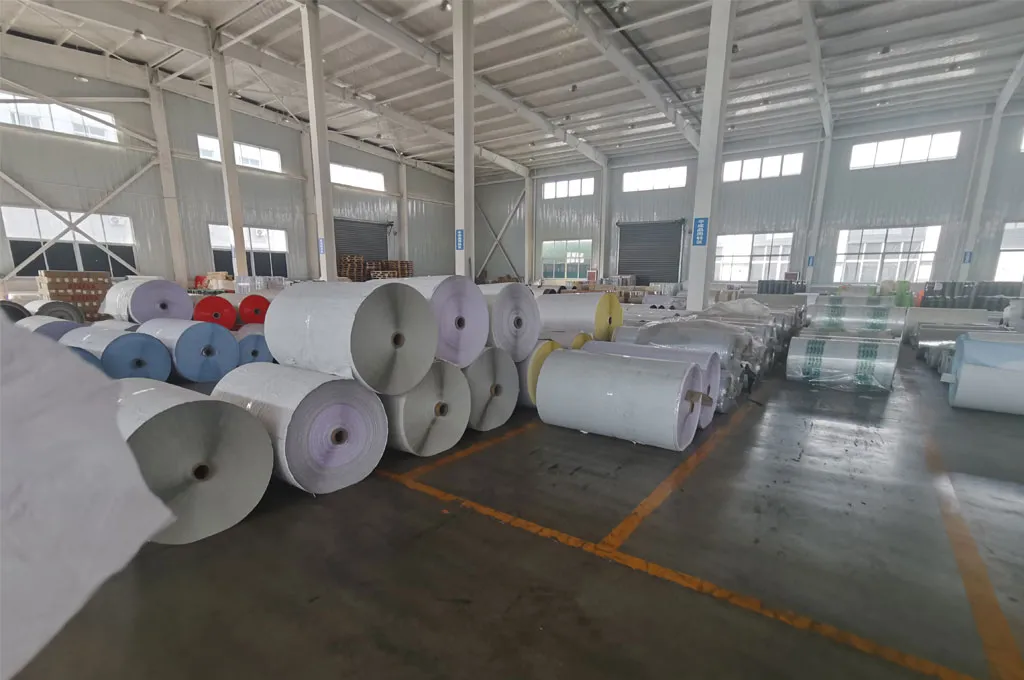
– Confirm film thickness and layer structure.
– Ask for test certificates for flame resistance and VOC levels.
– Request a sample roll to verify adhesion and finish.
– Compare lead times and MOQ—custom prints raise both.
– Evaluate total cost: price per m², installation labor, expected lifespan.
Buy in bulk: Larger orders significantly lower unit price. Standardize specs across projects to reduce SKU overhead. Consider multi-layer films that offer protective and functional coatings in one product to avoid additional treatments. Finally, work with a supplier that controls production end-to-end to avoid markups from intermediaries.
When requesting quotes, provide: required width/length, thickness in µm, desired finish (matte/gloss/embossed), adhesive type (removable/permanent), any print artwork or color, temperature range, and certification needs (fire/VOC/antibacterial).
Standard stock films ship in 1–3 weeks; customized prints or special coatings may take 4–8+ weeks. Factor in packaging (split rolls or full rolls), palletization, and import clearance if ordering internationally. Shorter lead times often come at a premium but reduce the risk of project delays.
Balance price with durability and compliance. For contractors seeking reliable supply and end-to-end quality control, consider sourcing from manufacturers with in-house calendering, printing, and split-packaging capabilities. For example, Pulivk (https://pvcfilmtec.com/) offers full production control, flexible OEM options, and global shipping experience that can reduce total project cost through consistent quality and stable lead times.