Address
304 North Cardinal St.
Dorchester Center, MA 02124
Work Hours
Monday to Friday: 7AM - 7PM
Weekend: 10AM - 5PM
Address
304 North Cardinal St.
Dorchester Center, MA 02124
Work Hours
Monday to Friday: 7AM - 7PM
Weekend: 10AM - 5PM


India’s PVC film market is expanding quickly—driven by fast-paced housing upgrades, modular furniture growth, retail & signage demand, and the country’s rising manufacturing base. Whether you source locally for shorter lead times or import for specialized textures, choosing the right supplier matters: it affects product consistency, on-site installation speed, warranty claims, and even customer satisfaction in Indian climates (heat, humidity, dust, and high daily use).
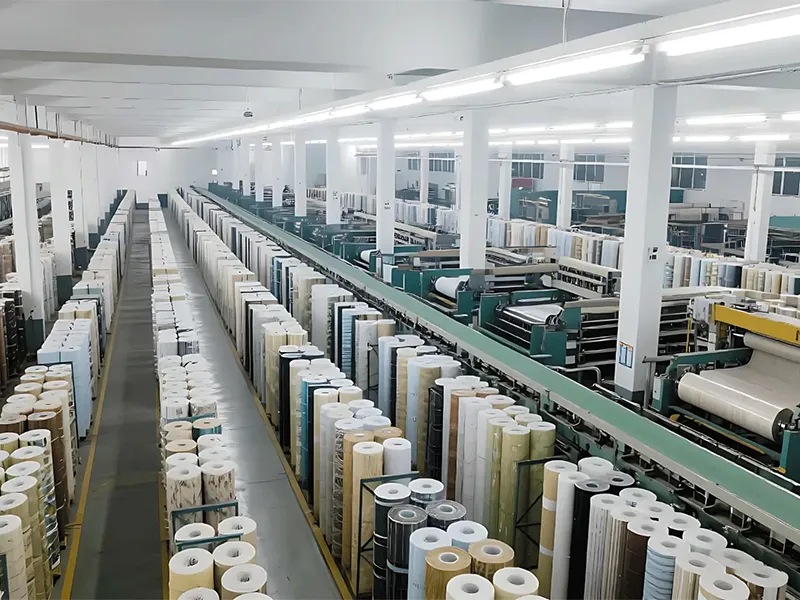
This guide explains how to evaluate top PVC film manufacturers and suppliers serving India, what product types to compare, and how to select the best fit for applications like wardrobes, kitchen cabinets, wall panels, skirting, flooring, advertising, electronics, and medical packaging.
Key takeaway:
The “best” PVC film manufacturer in India is the one that matches your application, surface performance, certifications, and delivery reliability—not simply the lowest quote.
In many Indian cities, home improvement decisions are heavily influenced by practicality: easy cleaning during monsoons, resistance to stains from cooking spices, and durable surfaces that handle high footfall and daily wear. PVC film fits these expectations because it can combine decorative appeal with functional performance.
When buyers search for “top manufacturers,” they’re typically looking for suppliers that can deliver stable quality, repeatable color, and reliable lead times across multiple batches—especially for projects like housing developments, retail rollouts, and modular kitchens where consistency is non-negotiable.
✔ Production capability
Calendering / printing / lamination / slitting and packaging capacity that matches your order profile.
✔ Quality systems
In-house QC checks, batch traceability, and standard compliance for your market and use case.
✔ Application know-how
Ability to recommend thickness, embossing, adhesive, and coatings for Indian conditions and installers.
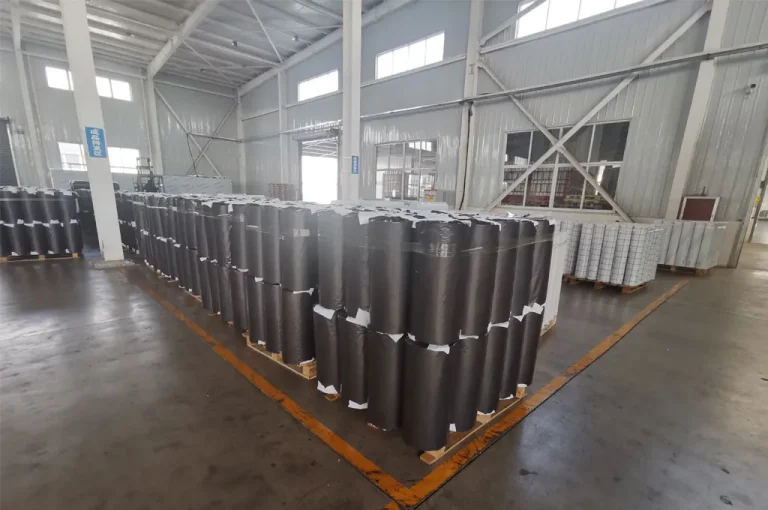
A dependable supplier for India should cover both decorative demand (furniture, doors, wall panels) and industrial needs (packaging, protective films, anti-static options). One example of a full-scope producer is Pulivk Film—focused on PVC film R&D and manufacturing, supplying calendered film, decorative films, floor film, soft-touch film, transparent film, and more for furniture, construction, electronics, advertising, medical, and home applications.
What “end-to-end manufacturing” means for buyers in India:
PVC film is not a single product—performance depends on structure, surface, additives, and intended use. Below are the most commonly purchased film categories in India, with practical selection notes for typical Indian projects.
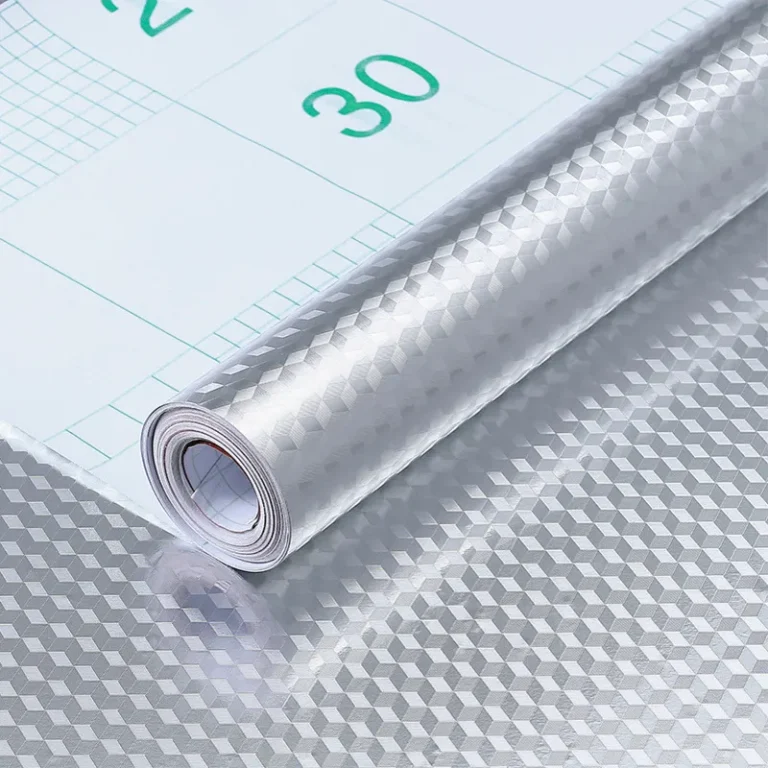
Calendered film is widely used due to its balanced cost and stable thickness range—often serving as the base for decorative, protective, or functional films. If your priority is steady supply, repeatable gauge control, and scalable volume, start here.
You can review specifications and typical formats via Calendered Film.
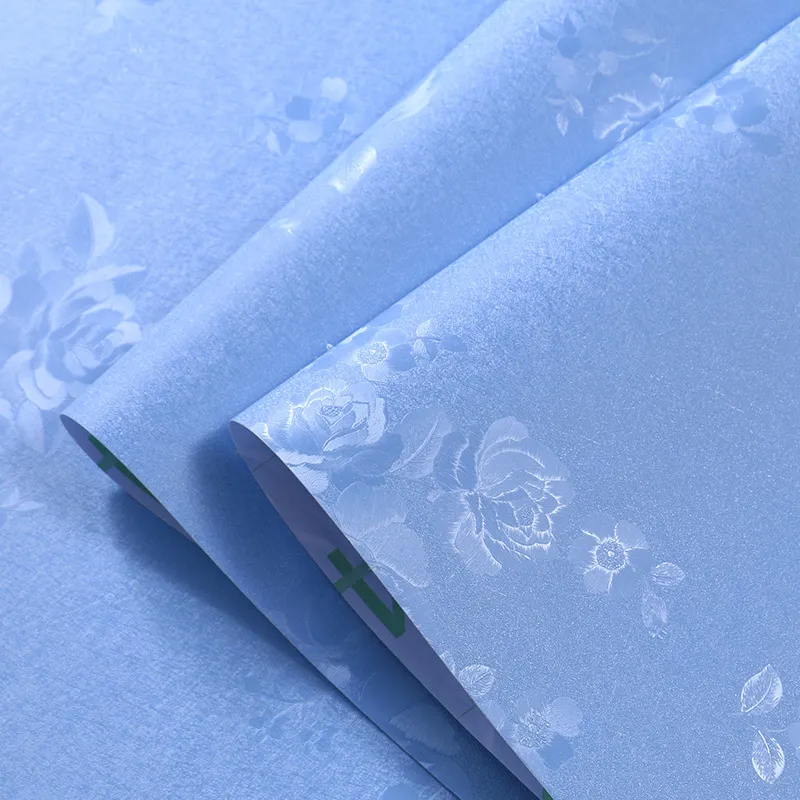
For modular kitchens, wardrobes, and paneling, decorative PVC films are chosen for look + abrasion resistance + cleaning ease. In Indian homes, where kitchens see frequent frying and spice oils, opt for surfaces designed for easier wipe-clean and stain resistance.
Surface finish selection impacts cleaning behavior and perceived quality. In many Indian retail spaces and homes, bright lighting makes fingerprints and swirl marks more visible—so glossy should be chosen carefully for high-touch areas.
Glossy
High visual impact; test scratch resistance and cleaning marks in real lighting conditions.
Matte
Better at hiding fingerprints; often preferred for modern kitchens and wardrobes.
Soft-touch
Premium feel; confirm stain resistance (especially oils) and abrasion performance before project rollout.
India’s electronics assembly and medical supply chains require controlled performance films. If you source anti-static or protective films, request clear test parameters (surface resistivity targets, adhesion range, haze/clarity, and aging data), and confirm that your supplier supports consistent QC and batch traceability.
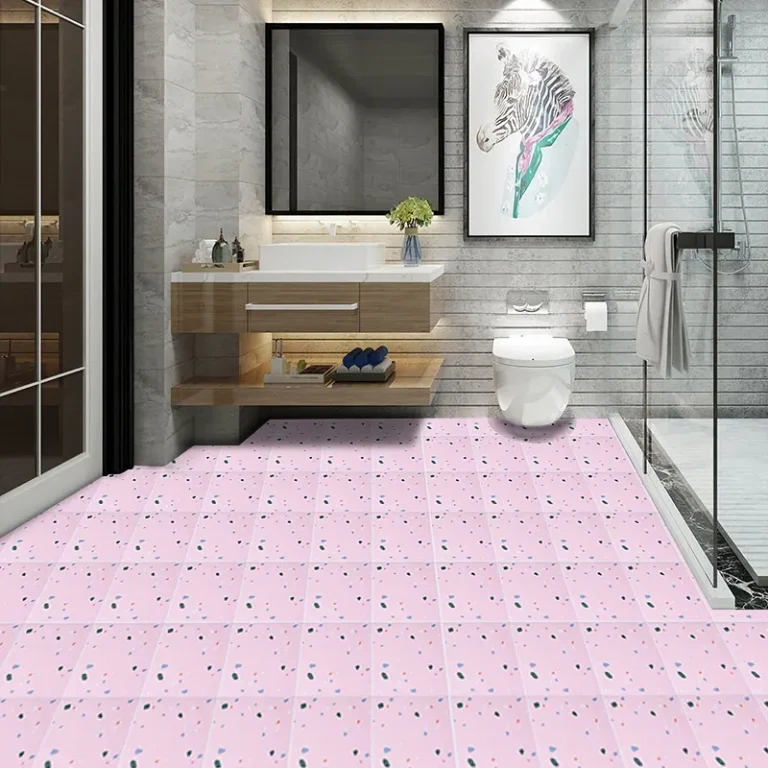
Flooring-related films face constant abrasion, water exposure, and cleaning chemicals. For Indian conditions—especially during monsoons—ask about anti-slip texture options, wear-layer design, and dimensional stability. When ordering skirting solutions, confirm color matching to popular wall and floor themes.
The selection process should be structured. Below is a practical checklist used by dealers, OEM furniture producers, and project contractors.
🔎 Ask yourself:
Two films can look identical but behave differently on-site. Compare thickness tolerance, emboss retention, adhesion stability, and surface durability. For large-scale Indian housing or retail projects, a small spec mismatch can cause costly rework.
Samples should represent the exact production route: same thickness, same emboss roller, same printing set, and the same protective packaging method. Ask the supplier to label every sample with lot details and specs to make reordering accurate.
If the film will be used in indoor spaces with frequent contact (furniture, wall panels, home items), confirm safety and compliance expectations. Many professional manufacturers support documentation such as ISO-based systems and chemical compliance (e.g., REACH/RoHS/FDA depending on end use). Also ask about the use of eco-friendly, non-toxic inks for interior decorative printing.
In India, buyers often balance speed and cost—especially for fast-moving interior work and festive season demand spikes. A supplier with integrated calendering, printing, and slitting/packaging can reduce delays and handle urgent replenishment with better consistency.
⚑ What to confirm before you place a PO:
Focus on stain resistance, easy cleaning, and stable color under daily light. For oil-heavy cooking zones, confirm surface coating performance and whether the supplier can provide consistent gloss/matte control across batches for seamless cabinet matching.
Prioritize scratch resistance, realistic embossing, and repeatable lot-to-lot color. In many Indian homes, footwear dust and frequent touch can highlight micro-scratches—so request abrasion test info and choose textures that hide marks.
Choose films with print clarity and stable adhesion. For short-term campaigns, cost may dominate; for permanent store fixtures, focus on UV stability and surface durability to avoid fading and edge lifting.
Consider anti-static and protective options. Confirm compatibility with production lines and cleaning methods, and request consistent QC for thickness and surface properties to reduce rejection rates.
Many Indian distributors and interior brands succeed by offering curated “India-friendly” catalogs—shades and textures that match local preferences (warm woods, premium marble looks, modern matte neutrals) while staying cost-competitive. OEM/ODM options let you customize thickness, width, roll length, surface treatment, printing, and packaging so your products stand out in local markets.
If you serve multiple Indian states, also consider logistics: a supplier experienced in export-ready packaging and documentation can be valuable, especially when your sourcing mix includes imported film or when you resell into neighboring regions.
1) Ordering by look only
Always check thickness tolerance, surface durability, and adhesive performance for your process.
2) Skipping real-condition tests
Test samples in Indian heat/humidity cycles and under your actual cleaning chemicals.
3) Underestimating lead time
Festive season demand can tighten supply—book production early and confirm packaging/dispatch schedules.
Q1: What is PVC film used for in India?
PVC film is widely used for furniture finishing (wardrobes, cabinets), wall and ceiling decoration, flooring-related surfaces, advertising displays, protective packaging, and electronics applications—offering decorative style plus functional durability.
Q2: Which PVC film finish is best for kitchens—glossy or matte?
Matte is often preferred for high-touch kitchen areas because it hides fingerprints better. Glossy can look premium, but it should be chosen with strong scratch resistance and easy-clean performance for oil exposure.
Q3: Can PVC films be customized for Indian distributors and brands?
Yes. Many manufacturers offer OEM/ODM customization for thickness, width, roll length, color/pattern, functional coatings (anti-static, anti-fog, food-grade), and packaging labels—helpful for building a local catalog.
Q4: How do I check quality consistency before bulk purchasing?
Request labeled samples with lot information, confirm QC items (thickness, adhesion, optics, abrasion), and run trials using your real installation method. For repeat projects, ensure the supplier supports batch traceability and shade matching.
Q5: What affects PVC film lead time and MOQ?
Lead time and MOQ vary by film type, thickness, pattern complexity, and whether you need OEM/ODM customization. Standard items ship faster; new patterns and special coatings typically require more time and higher minimums.