Address
304 North Cardinal St.
Dorchester Center, MA 02124
Work Hours
Monday to Friday: 7AM - 7PM
Weekend: 10AM - 5PM
Address
304 North Cardinal St.
Dorchester Center, MA 02124
Work Hours
Monday to Friday: 7AM - 7PM
Weekend: 10AM - 5PM


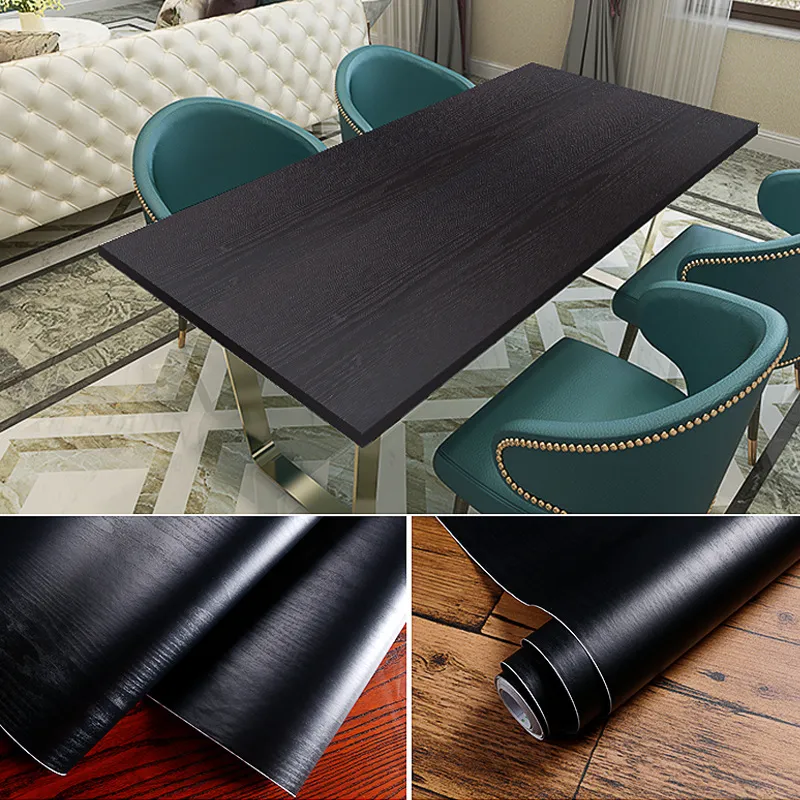
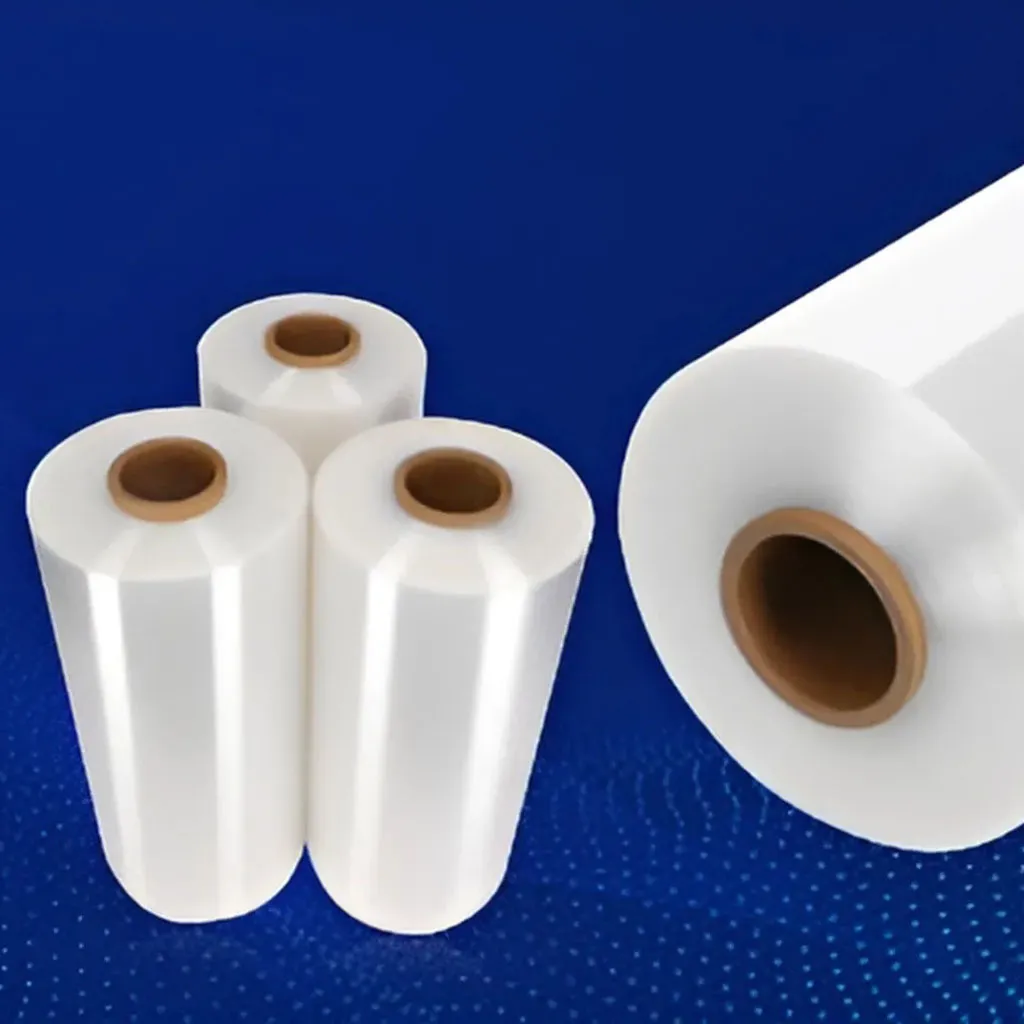
Waterproof PVC film is a versatile, cost-effective material designed to block moisture, resist stains, and protect surfaces from daily wear. From furniture wrapping and interior decoration to industrial packaging and clean environments, it offers durable water protection without adding bulk—making it a practical choice for manufacturers, contractors, and DIY users who want long-lasting performance with consistent appearance.
◆ Key takeaway:
Waterproof PVC film protects against water, humidity, splashes, and cleaning chemicals while also improving surface aesthetics (matte, glossy, embossed, wood grain, marble, soft-touch, and more).
PVC film is a thin sheet made from polyvinyl chloride, engineered for decoration, protection, and functional performance. “Waterproof” PVC film refers to film structures and surface treatments that help prevent water penetration and reduce moisture-related damage such as swelling, staining, peeling, and mold growth on the underlying substrate. Depending on your use case, you can choose transparent, frosted, embossed, pearl, colored, anti-static, self-adhesive, and laminated options.
Calendered films, decorative films, functional coated films, and multi-layer composites are commonly selected to balance water resistance, durability, and appearance.
Glossy, matte, soft-touch, embossing, 3D textures, marble/stone grain, cloth grain, and wood grain help match design goals while retaining easy-clean performance.
Waterproof performance is not only about “not absorbing water.” In practical settings—kitchens, bathrooms, laundry rooms, commercial spaces, shipping environments—PVC film helps by creating a sealed, wipeable barrier that reduces direct contact between moisture and the substrate (wood-based panels, MDF, metal, composite boards, gypsum boards, etc.). It can also protect printed layers and decorative patterns from fading, staining, or lifting due to repeated cleaning.
● High humidity: reduces swelling risk on wrapped boards
● Frequent cleaning: supports wipe-down with common cleaners
● Spill-prone areas: countertops, cabinet doors, wall panels, skirting, flooring edges
● Packaging & logistics: adds moisture resistance in transit and storage
Helps prevent moisture intrusion, reducing deformation and surface damage. For wet zones, pairing correct adhesive/lamination methods is essential for long-term sealing.
A smooth or textured PVC surface is typically wipeable and stain-resistant—useful for kitchens, medical areas, and public interiors where cleanliness matters.
Offers premium looks without the cost/maintenance of natural materials. Popular options include wood, marble, metal, and fabric-like patterns.
Compatible with high-volume manufacturing and consistent quality control—supporting stable lead times and scalable output for OEM/ODM projects.
Waterproof PVC film is used across furniture, construction, electronics, advertising, medical/cleanroom, and household products. Selection depends on surface type, exposure level, required texture, and installation method (lamination, wrapping, self-adhesive, thermoforming, etc.).
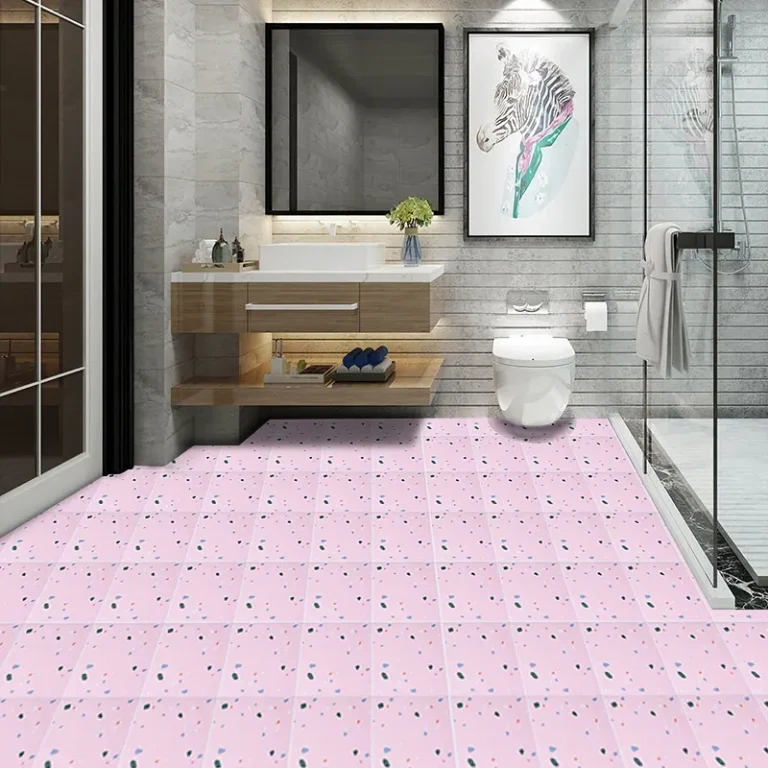
Waterproof PVC decorative films help protect high-touch surfaces from steam, splashes, and routine cleaning. For modern design themes, you can match patterns like wood grain or marble with stable color consistency across batches.
Explore product options such as Wood Grain Film and
Marble Film for decorative waterproof finishes.
Suitable for protective floor layers and surface upgrades where moisture resistance and abrasion tolerance are required. Consider dedicated
Floor Film
options when durability is a priority.
Skirting zones often face mop water and repeated cleaning. Waterproof film helps reduce peeling and staining on edges and corners. See
PVC Skirting Film
for trim-focused applications.
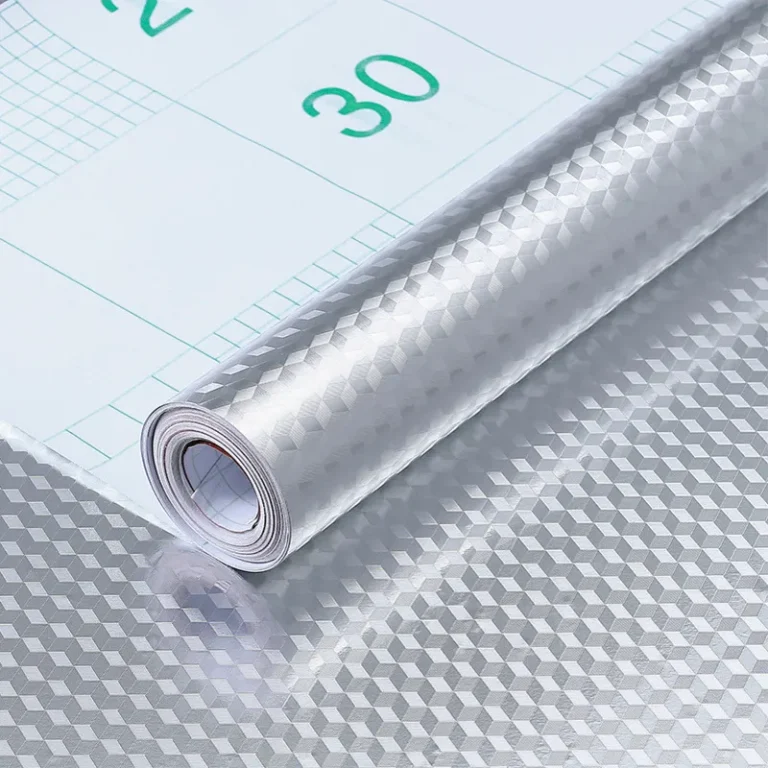
Waterproof PVC film is also selected for packaging and isolation layers that require moisture resistance and stable mechanical performance. Calendered film structures are widely used for consistent thickness, good processability, and scalable production.
For baseline material selection, review Calendered Film specifications and options.
The “best” waterproof PVC film depends on where it will be used, how it will be applied, and what performance matters most (appearance, adhesion, chemical resistance, anti-static needs, etc.). Below are common categories and when they make sense.
Designed to deliver both aesthetics and protection—often used on furniture panels, doors, wall panels, and ceilings. Options include glossy, matte, embossed, 3D texture, stone grain, cloth grain, and solid colors.
May include anti-fog, anti-static, food-grade coatings, or enhanced scratch resistance—useful for electronics, appliances, and specialized environments.
Good for faster installation and renovation projects. Ensure the adhesive matches your surface energy and humidity exposure to prevent edge lift over time.
If you want durable water protection, focus on measurable specs and process compatibility—not just a pattern or a “waterproof” label. Use the checklist below to reduce risk and improve consistency across production batches.
◆ Thickness & tolerance: stable thickness supports lamination quality and visual uniformity
◆ Width, roll length, and core size: must match your laminator/wrapping machine
◆ Surface finish: glossy/matte/embossed affects cleanability and scratch visibility
◆ Adhesion method: hot-melt, PUR, pressure-sensitive adhesive, or other systems
◆ Chemical resistance: consider detergents, disinfectants, oils, and solvents used in cleaning
◆ Environment: humidity, temperature swings, UV exposure, and abrasion frequency
◆ Compliance: request REACH/RoHS/FDA or other needed documentation for your market
For brand consistency and special environments, customization can be the difference between “looks good today” and “performs for years.”
Typical OEM/ODM options include thickness, width, roll size, color/pattern matching, printing, packaging, and surface treatments such as anti-static or anti-fog.
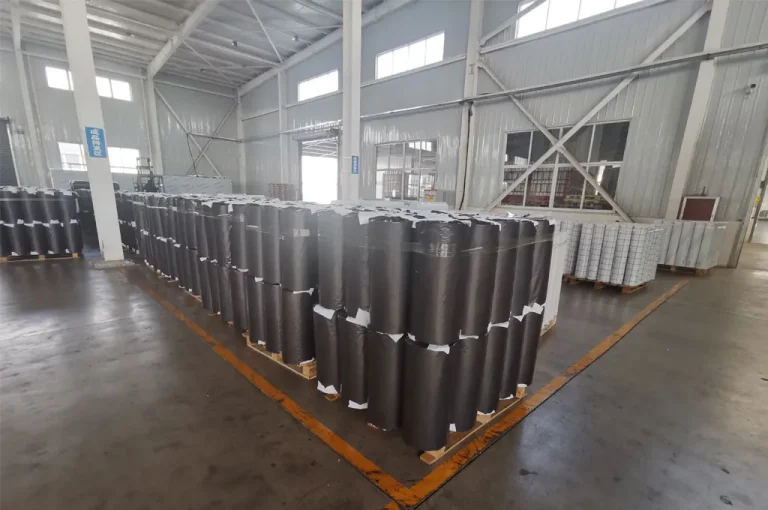
For export and long-distance shipping, well-managed roll packaging helps prevent edge damage and contamination. Common approaches include individual wrapping with dust-proof PE film or kraft paper, plus clear specification labeling for traceability.
Waterproof PVC film performs best when installation and daily care match the environment. Even a high-quality film can fail early if the substrate is wet, dusty, or uneven, or if adhesives are not suited to humidity exposure.
Keep substrates dry, clean, and smooth. Remove oil, dust, and loose coatings. For porous boards, use suitable primers if required by your process.
In wet areas, edges are the first failure point. Choose proper wrapping, trimming, and sealing steps to reduce water entry from corners and seams.
Use mild cleaners unless the film is specified for strong disinfectants/solvents. Always test in a small area for glossy or special-coated surfaces.
When waterproof PVC film is used indoors, in public buildings, near food-related areas, or in medical/clean environments, material safety and documentation become essential. Look for suppliers that can provide third-party test reports and maintain consistent batch traceability.
◆ What to request from a supplier:
Documentation for ISO-style quality systems, compliance (e.g., REACH/RoHS/FDA where applicable), and clarity on heavy-metal/phthalate controls. Also ask about QC checks for thickness, strength, adhesion, and visual defects.
● Mistake 1: Selecting by pattern only (ignoring thickness tolerance and adhesion compatibility).
● Mistake 2: Using the wrong adhesive system for humidity exposure, causing edge lifting or bubbling.
● Mistake 3: Skipping test runs—especially for textured or coated films where pressure/temperature settings matter.
● Mistake 4: Forgetting edge and seam design in wet areas (bathrooms, kitchens, laundry rooms).
● Mistake 5: Not confirming compliance requirements for the destination market or end-use environment.
PVC film forms a moisture-blocking barrier, but real-world “waterproof” performance depends on installation quality, edge sealing, and adhesive compatibility. In wet zones, seams and edges must be designed to prevent water ingress.
There is no single best thickness: furniture wrapping, wall panels, and floor-related uses often require different ranges. The right choice depends on abrasion, impact risk, texture depth, and your laminating/wrapping process settings.
Yes—these are common use cases. For long-term results, prioritize easy-clean surfaces, chemical resistance, and strong edge/seam design to handle steam, splashes, and frequent cleaning.
Many manufacturers support OEM/ODM customization, including thickness, width, roll size, pattern/color matching, printing, packaging, and functional coatings (e.g., anti-static or anti-fog) based on your application needs.
Provide film type, thickness, width, finish (glossy/matte/embossed), color or pattern reference, application method, and expected quantity—this helps the supplier recommend the most suitable waterproof PVC film specification.