Address
304 North Cardinal St.
Dorchester Center, MA 02124
Work Hours
Monday to Friday: 7AM - 7PM
Weekend: 10AM - 5PM
Address
304 North Cardinal St.
Dorchester Center, MA 02124
Work Hours
Monday to Friday: 7AM - 7PM
Weekend: 10AM - 5PM


Privacy PVC window film is one of the fastest ways to upgrade a space with a frosted-glass look, reduce uncomfortable visibility, and keep rooms bright. Whether you want daytime one-way privacy for street-facing windows or a clean, modern finish for bathrooms and meeting rooms, peel-and-stick PVC films offer a practical balance of privacy, style, and easy maintenance—without the cost and permanence of etched glass.
Key idea: A well-made PVC window film can deliver privacy + soft daylight while remaining removable—ideal for renters, seasonal decor updates, and commercial refits.
“PVC window film” refers to a thin, flexible sheet made from polyvinyl chloride that’s engineered to adhere to glass and create a functional surface—such as frosting, texture, pattern, glare reduction, or privacy. In peel-and-stick formats, the film uses a pressure-sensitive adhesive layer designed to bond smoothly to glass, then remove cleanly when needed.
Compared with permanent glass treatments, PVC film is a smart retrofit: you can change patterns, replace worn sections, or adjust privacy levels by swapping film types. For property managers, it’s also a consistent way to standardize the look across multiple units or offices.
Frosted films work by scattering light instead of letting it pass in a straight line. That diffusion is what creates the “blurred” view—people can’t clearly see through the window, but you still get bright, comfortable daylight. For many homes and offices, this is the most reliable privacy style because it performs consistently regardless of indoor/outdoor lighting changes.
Best rooms for frosted film:
Bathrooms, shower enclosures (exterior glass), front doors with glass panels, stairwell windows, clinic partitions, studio doors, and conference room sidelights.
Consider partial coverage: apply frosted film to the middle or lower portion of the window to maintain privacy at eye level while keeping an open feel near the top. This is especially useful for ground-floor apartments, storefront studios, and reception areas.
Daytime one-way privacy films are designed to reduce visibility from the brighter side of the glass. During the day, exterior light is often stronger than interior light, so outsiders see more reflection and less detail inside—helping privacy without sacrificing your view out.
Important:
One-way privacy is lighting-dependent. If your interior is brighter than outside at night, the effect can reverse and silhouettes may become visible.
Peel-and-stick PVC window film is popular because it fits the DIY reality: quick upgrades, minimal mess, and no specialized equipment. The key is surface preparation and careful alignment—most “bad installs” come from dust, oily residue, or rushing the squeegee step.
✔ Prep (do this first)
✔ Apply (go slow)
Pro result tip: Work in bright light so bubbles and dust are visible before you lock in the adhesive.
Quality PVC films are designed to remove without damaging glass. When it’s time to change the look, start at a corner and peel slowly at a low angle. If any adhesive remains, it typically cleans up with standard glass-safe cleaners. For very old installations, gentle warmth can help soften adhesion for easier removal.
Not every window needs the same solution. A street-facing living room might prioritize daylight and a clear view, while a bathroom demands consistent privacy. Use the room function and lighting pattern as your decision guide.
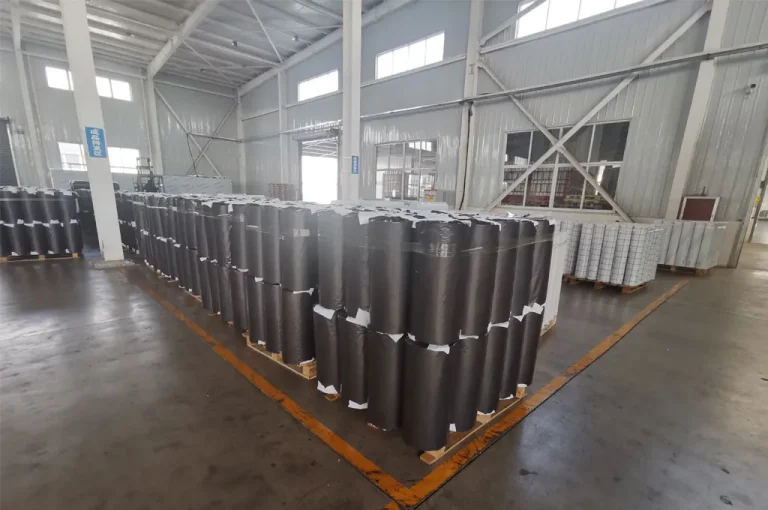
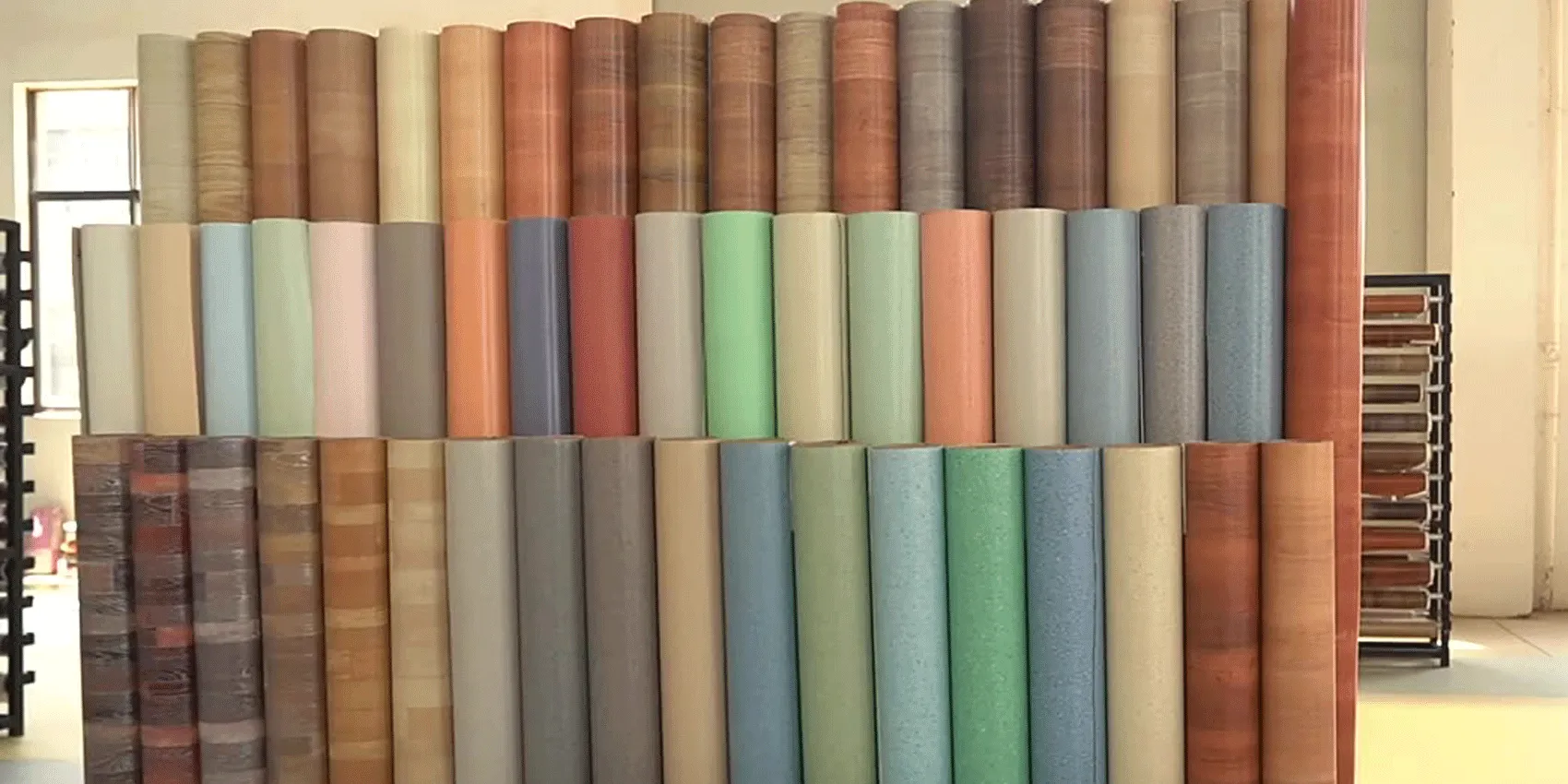
The best-looking installations start with consistent film thickness, stable adhesive performance, and predictable optical clarity. Manufacturers with full-process capability—calendering, printing, slitting, and packaging—can control key variables that impact real-world results: haze level, texture consistency, and adhesion stability across different climates.
For example, calendered PVC film is widely used because it can be produced with reliable thickness and surface finish, helping installers avoid “waves” and uneven diffusion. If you want to learn about film structure and applications, you can explore Calendered Film as a baseline material category.
For interior-facing applications (especially bedrooms, clinics, and childcare spaces), material compliance and low-odor performance matter. Look for films made with safer ink systems and tested to common compliance expectations (such as REACH/RoHS). Consistent QC also reduces the risk of adhesive seepage, edge lifting, or uneven frosting that can ruin the clean “etched glass” aesthetic.
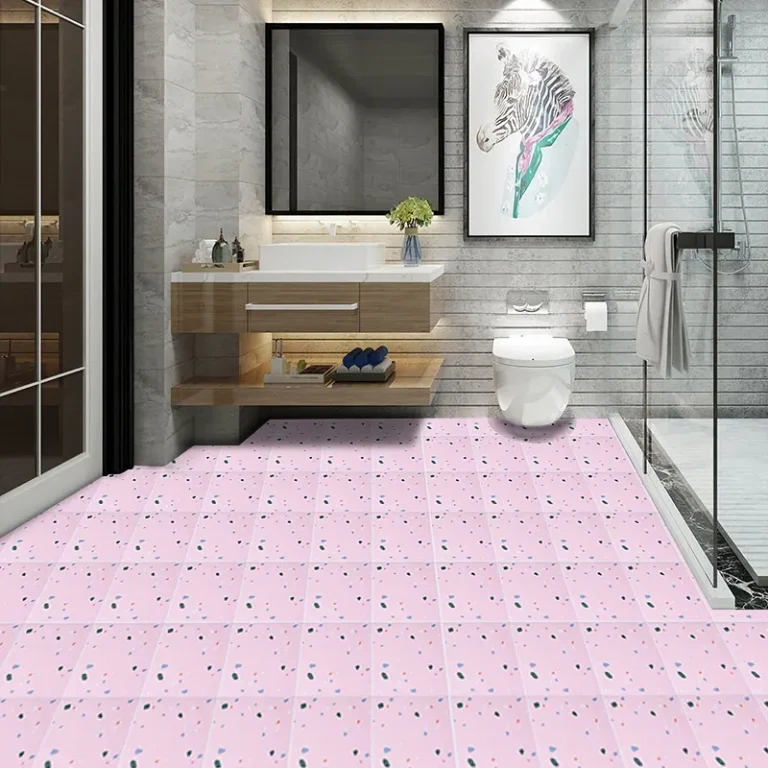
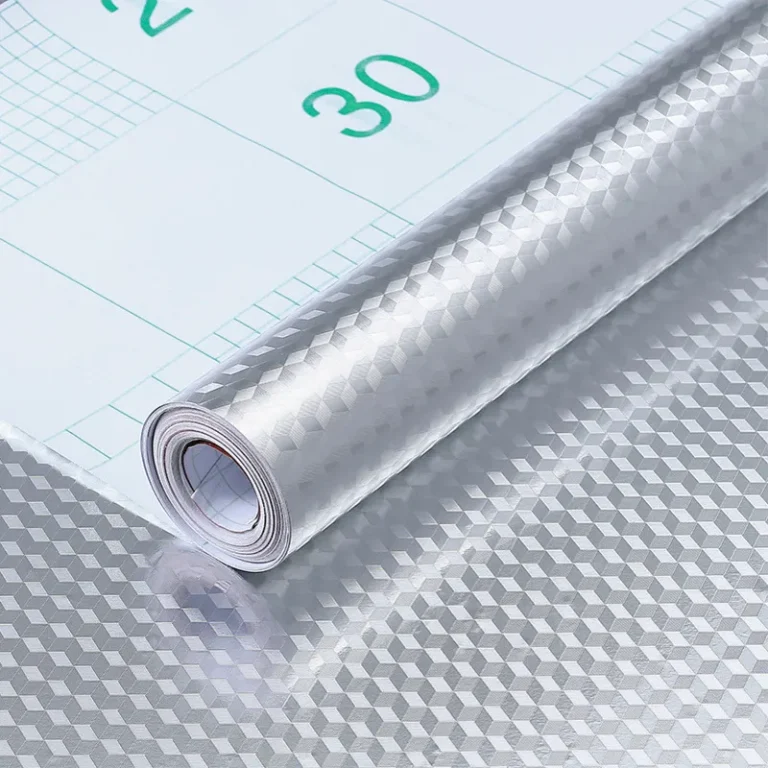
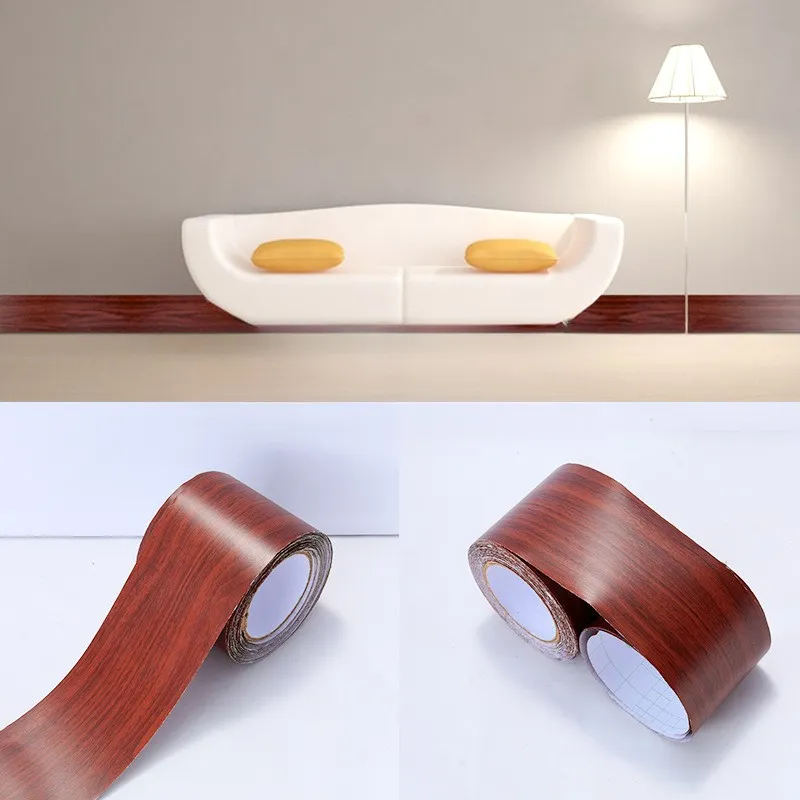
Privacy film doesn’t have to look purely functional. It can visually “connect” with nearby surfaces—walls, trim, flooring, or cabinetry—so the room feels designed rather than patched. If your project includes broader interior finishing, these related surface films can complement the same clean, modern direction.
Visual consistency tip:
If your space uses cool metals and white paint, choose a neutral frosted finish. If you have warm wood interiors, pick a frosting that diffuses light softly (not stark white) to keep the room’s warmth.
Most privacy PVC window films are low maintenance, but cleaning habits determine how long they look “new.” Dust buildup around edges can make corners lift over time, and harsh abrasives can dull the finish—especially on textured patterns.
In offices, clinics, salons, and studios, window film is often used to create zones—private but not dark. Frosted film can reduce visual distractions, protect sensitive conversations, and still maintain an open, collaborative feel. For retail storefronts, partial frosting supports customer comfort while leaving space for signage and natural light.
For facilities teams, peel-and-stick film also simplifies updates. When branding changes or a layout is reconfigured, you can remove and reapply film without replacing glass panels—saving both time and budget.
If you’re sourcing for multiple locations or a large fit-out, OEM/ODM customization can help align film thickness, haze level, texture, and packaging to your installation workflow. Options often include customized widths/roll lengths, surface treatments (anti-fog, anti-static), and consistent batch labeling to reduce on-site mistakes.
It’s strongest when the outside is brighter than the inside. At night, if interior lights are on, privacy can decrease. Add curtains/blinds or choose frosted film for consistent privacy.
On standard glass, quality film is designed to remove cleanly. Peel slowly at a low angle; any minor residue usually wipes off with a glass-safe cleaner.
Yes. Frosted or textured options are ideal because they provide privacy regardless of lighting. Ensure the glass is clean and keep edges well-adhered in high humidity.
Clean thoroughly, align carefully, and squeegee from the center outward. Good lighting helps you spot dust and air pockets before the adhesive sets.
Frosted film is best for always-on privacy. One-way film is best when you want a clearer outward view during the day and can manage privacy at night with coverings.