Address
304 North Cardinal St.
Dorchester Center, MA 02124
Work Hours
Monday to Friday: 7AM - 7PM
Weekend: 10AM - 5PM
Address
304 North Cardinal St.
Dorchester Center, MA 02124
Work Hours
Monday to Friday: 7AM - 7PM
Weekend: 10AM - 5PM


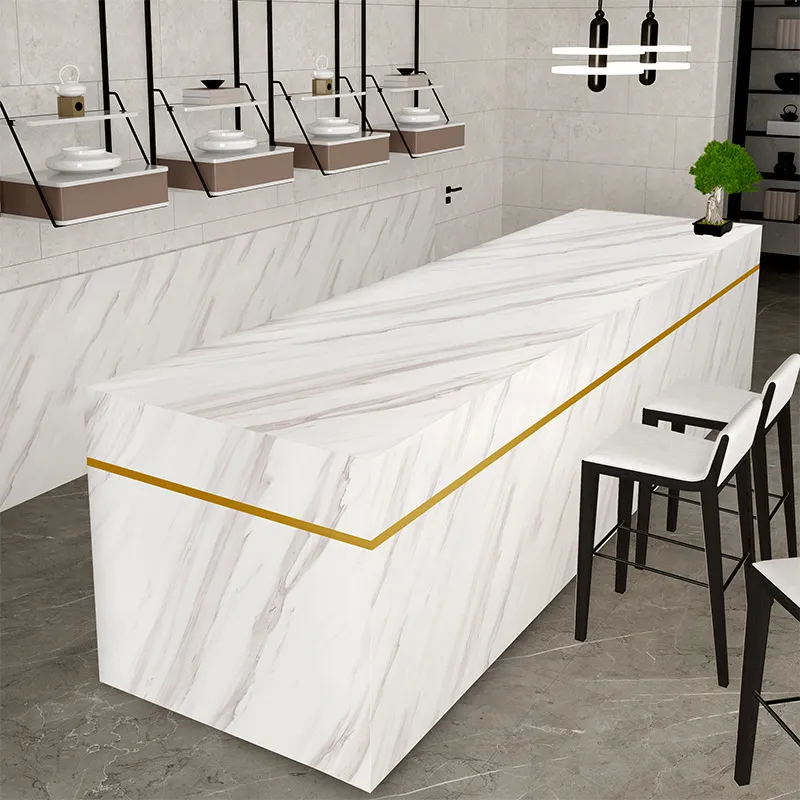
Matte PVC film is a versatile decorative and functional surface material used across furniture, interiors, retail displays, appliances, and protective laminations. Its low-gloss appearance reduces glare and fingerprints, while modern calendering and coating technologies can deliver reliable strength, consistent thickness, and stable color. This guide explains the key benefits of matte PVC film, where it’s commonly used, and how to choose the right thickness and finish for real-world projects—so you can balance aesthetics, durability, cost, and production efficiency.
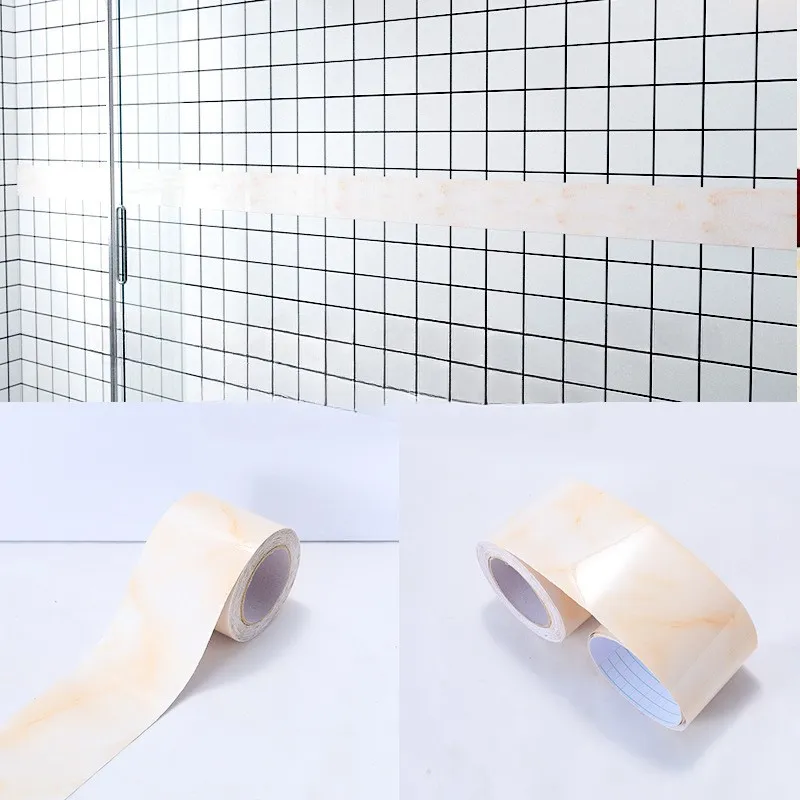
Quick takeaway:
Matte PVC film is often chosen when you need a soft, premium look with better smudge control, while still keeping the processability and customization PVC is known for.
PVC film is a thin sheet of polyvinyl chloride engineered for decoration, protection, and lamination. “Matte” describes the surface gloss level: instead of reflecting light like glossy finishes, matte surfaces scatter light, producing a calmer, more uniform appearance. In practical terms, matte can make a surface look cleaner under harsh lighting and helps hide minor imperfections on substrates such as MDF, plywood, gypsum board, or metal panels.
Matte effects may come from micro-texturing, matte coatings, or a combination of both. Many manufacturers also offer matte films in wood grain, stone, solid color, fabric textures, and special patterns—so you can match modern interior styles without the “plastic shine” sometimes associated with older PVC products.
Matte: lower glare, better fingerprint hiding, softer “designer” feel.
Glossy: brighter, deeper color pop, easy wipe-down, shows scratches and smudges more easily.
High-touch surfaces (cabinet doors, furniture panels), strong lighting spaces (retail, offices), and interiors where a calm, contemporary finish is preferred.
Matte finishes diffuse reflections from windows, ceiling lights, or LED strips. This is valuable in showrooms, retail fit-outs, modern kitchens, and office interiors where lighting is intentionally bright. Panels look more consistent across different viewing angles, which helps when you need a uniform wall or cabinet front.
Compared with high-gloss, matte surfaces typically show fewer visible fingerprints—especially on darker colors. For frequently handled areas (wardrobes, drawer fronts, doors, display fixtures), this can reduce maintenance frequency and keep the product looking “new” longer.
Matte is widely associated with minimalist, Scandinavian, and contemporary design trends. Even solid colors can look more refined, and textured matte variants can replicate wood pores, fabric weaves, or stone grains with convincing depth.
PVC film can be engineered across multiple parameters: thickness, embossing depth, surface coatings (anti-static, anti-fog, easy-clean), color matching, printed patterns, and adhesive options. If you need stable batch-to-batch color, consistent roll quality, or export-friendly packaging, working with a supplier that controls calendering, printing, and slitting in-house helps reduce variability and lead time.
Quality note:
Ask for batch traceability, thickness tolerance, and testing on adhesion, scratch resistance, and optics—especially for large furniture or wall-panel orders where visual consistency matters.
Matte PVC film is widely used for kitchen cabinets, wardrobe doors, TV panels, office furniture, and decorative boards. It helps reduce fingerprints and adds a modern, understated look.
When your product requires stable thickness and good thermoforming/lamination behavior, consider a calendered base film designed for consistent mechanical properties (see
Calendered Film).
Matte films work well on wall panels, partitions, and interior claddings because they minimize glare and look consistent across larger surfaces. Solid matte tones are popular for modern residential projects, commercial offices, and retail spaces where clean visual lines are important. For fast style changes and color coordination, options like
Solid Color Wallpaper
can align with the same design language.
In flooring systems, PVC films may serve as decorative layers, wear layers, or protective laminations depending on product design. Matte textures can improve slip feel and reduce visible scuffs in certain environments. If your project relates to PVC-based floor surfaces, explore specialized options like
Floor Film,
and confirm abrasion performance targets with your supplier.
Skirting boards and trims often benefit from matte finishes because they hide dust and small scratches near the floor level. Texture also helps the trim blend with wall and flooring aesthetics. For trim-specific designs and sizing, reference
PVC Skirting Film.
Matte surfaces can reduce distracting reflections on consumer products and control the visibility of handling marks. In electronics, additional functional coatings (such as anti-static) may be requested depending on application and process conditions. Always confirm compatibility with your lamination method, operating temperatures, and cleaning agents.
• Will it be touched frequently (fingerprints)?
• Is lighting strong or directional (glare)?
• Is the surface flat lamination or thermoforming (stretch/shape)?
• Does the environment require special properties (anti-static, easy-clean, low-VOC, food-grade)?
• What’s the cleaning routine (chemicals, abrasion frequency)?
Thickness selection is not just about “stronger is better.” The best thickness depends on your substrate, lamination method, forming requirements, and expected wear. Too thin may print-through substrate defects or tear during processing; too thick can increase cost and reduce forming flexibility.
• Substrate condition: Rough or porous boards may need a thicker film or primer to reduce telegraphing.
• Forming depth: If you thermoform or wrap profiles, you may need a thickness that can stretch without whitening or tearing.
• Wear exposure: Tabletops, commercial fixtures, and high-traffic areas benefit from stronger surface structures and coatings.
• Cost control: Select the thinnest option that still meets performance targets; test first with samples.
Pro tip:
If you’re switching from glossy to matte, don’t assume you can keep the same thickness and get identical performance. Matte texturing/coatings can change perceived scratch visibility and cleaning feel—request a trial roll and run it through your actual lamination line.
“Matte” is not one single look. Two films can both be labeled matte yet appear very different on large panels. The final appearance depends on gloss level, micro-texture, embossing pattern, and any topcoat properties.
A moderate matte can preserve some color depth while reducing glare; an ultra-matte can look extremely modern but may show “polishing” marks over time if cleaning is abrasive. If your design uses dark solid colors, evaluate real samples under your installation lighting (daylight + warm/cool LEDs).
Smooth matte looks minimal and clean, while embossed matte can mimic natural materials and hide surface wear. For premium interior panels, a subtle fabric-like or silk-like texture can elevate perceived quality (for example
3D Silk Texture Film),
especially on large wardrobe doors and feature walls.
Depending on where the film is used, you may need performance beyond appearance. Kitchens and public spaces often benefit from easy-clean or oil-resistant surfaces; electronics packaging may require anti-static properties; and special environments can require compliance with standards (e.g., REACH/RoHS/FDA where applicable). Always confirm test reports and the intended end-use conditions before finalizing the spec.
For decorative films, appearance issues are often more costly than a minor strength shortfall. Specify targets for thickness tolerance, color consistency, surface defects, and gloss uniformity across the roll. If you laminate over large surfaces, also discuss how the film behaves under heat and pressure to avoid silvering, bubbles, or pattern distortion.
Matte PVC film can be used with different lamination systems (flat lamination, vacuum press, profile wrapping). Adhesion depends on glue type, coating, substrate preparation, line speed, temperature, and pressure. Provide your process details during quoting so your supplier can recommend a compatible structure.
• Film type (matte, embossed, printed, self-adhesive or not)
• Thickness range + tolerance requirement
• Width, roll length, core size, and packaging preference
• Application (cabinet, wall panel, skirting, flooring, appliance, etc.)
• Any compliance needs (REACH, RoHS, FDA) and special coatings (anti-static, easy-clean)
For interior applications and human-contact scenarios, buyers increasingly ask about material safety and environmental impact. Many modern PVC films can be manufactured with phthalate-free formulations, without heavy metals, and with compliant inks and coatings. If you export to regulated markets, request documentation aligned with ISO management systems and relevant chemical compliance frameworks. Also confirm storage and handling guidelines to keep rolls clean and flat before processing.
If your brand or project requires tight visual control, OEM/ODM customization can reduce risk. You can specify exact color targets, embossing feel, matte level, and packaging labels for easier warehouse management. Suppliers with integrated calendering, printing, and slitting typically offer better coordination across steps, which can improve consistency and shorten delivery windows for repeat orders.
• Confirm a signed golden sample for gloss, texture, and color before mass production.
• Define acceptable defect standards (spots, gels, lines, edge damage).
• Ask for QC checkpoints from raw material to finished rolls, plus labeling for traceability.
1) Is matte PVC film easier to scratch than glossy?
Not necessarily. Scratch visibility can differ: matte hides fingerprints but may show “shine marks” if rubbed with abrasive cleaners. Actual scratch resistance depends on the topcoat and embossing, not just the gloss level.
2) What thickness should I choose for cabinet doors?
Many cabinet and furniture laminations use ~0.18–0.30 mm as a balanced range. Final choice should match your substrate flatness, lamination method, and wear expectations—testing with samples is the safest approach.
3) Can I request custom colors, textures, and packaging?
Yes. OEM/ODM programs commonly support custom thickness, width, roll length, embossing, printed patterns, and export-ready packaging/labels to match your production and logistics needs.
4) Does matte film work for high-humidity areas like bathrooms?
It can, but you should confirm the full system: substrate moisture resistance, adhesive compatibility, and whether you need anti-fog/easy-clean coatings. Testing under real humidity and cleaning conditions is recommended.
5) What information should I provide to get an accurate quotation?
Share application, thickness, width/roll size, color or pattern, finish (matte level/texture), quantity, and any functional requirements (anti-static, easy-clean, compliance). This helps the supplier match the right structure and production plan.