Address
304 North Cardinal St.
Dorchester Center, MA 02124
Work Hours
Monday to Friday: 7AM - 7PM
Weekend: 10AM - 5PM
Address
304 North Cardinal St.
Dorchester Center, MA 02124
Work Hours
Monday to Friday: 7AM - 7PM
Weekend: 10AM - 5PM


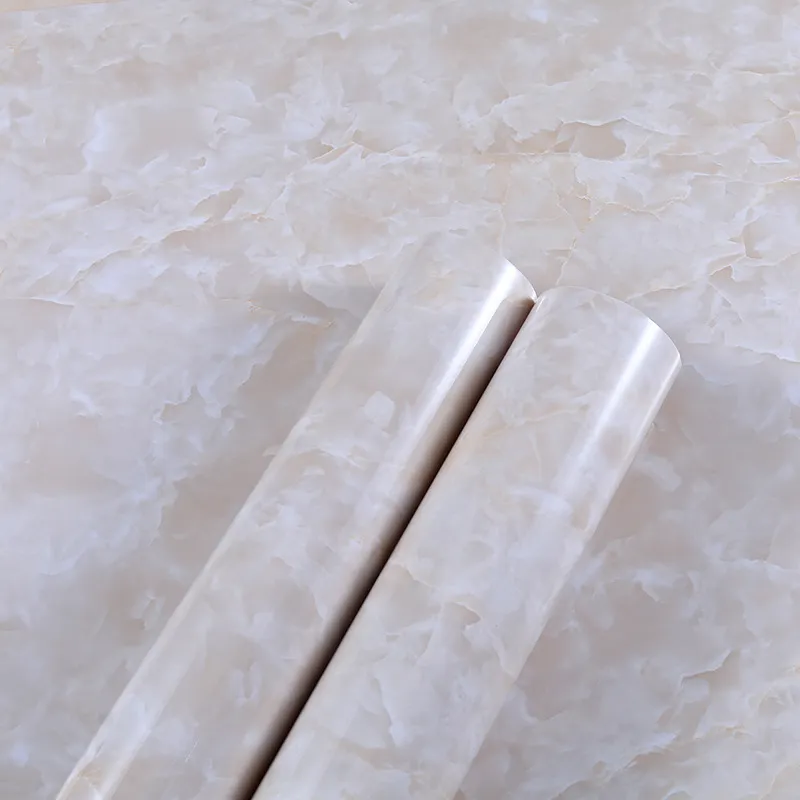
Marble effect PVC film is a practical way to bring a premium stone look into everyday spaces—without the weight, cost, and installation complexity of real marble. Whether you’re updating kitchen cabinet doors, wrapping furniture panels, refreshing wall sections, or producing decorative components at scale, this film delivers a clean, modern finish with durable performance and easy maintenance.
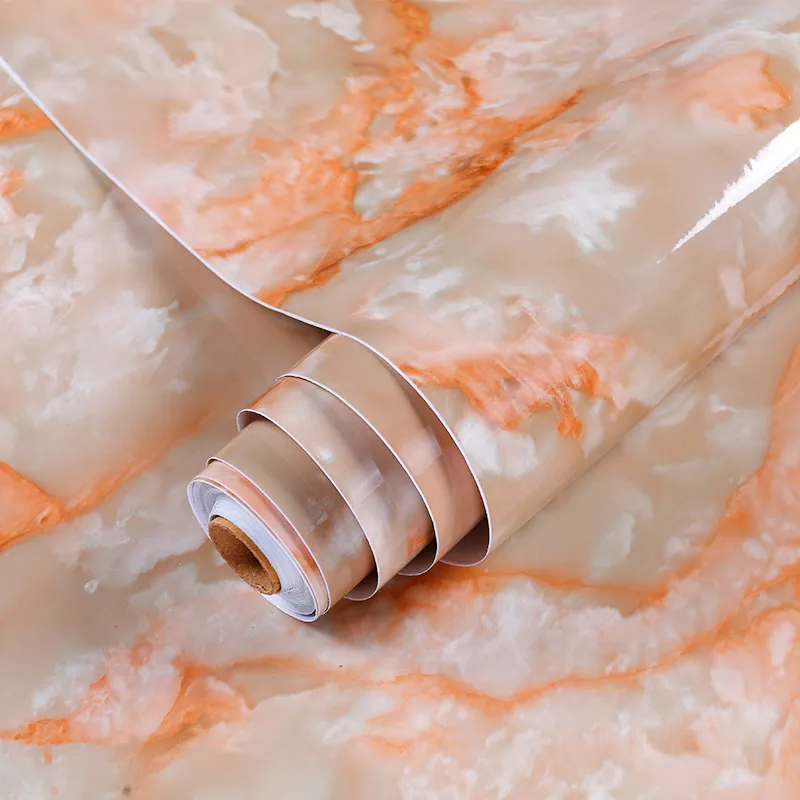
In this guide, you’ll learn the key benefits, the best use cases, step-by-step installation tips (including common mistakes to avoid), and how to choose a reliable supplier for consistent quality—especially if you need OEM/ODM customization for furniture, building décor, appliances, or retail displays.
Marble effect PVC film is a decorative polyvinyl chloride (PVC) film designed to replicate the veins, depth, and gloss level of natural marble. It is commonly produced as calendered PVC film with printed patterns and optional surface textures (glossy, matte, embossed, or 3D relief). Depending on the project, it can be supplied as self-adhesive film for quick renovations or as non-adhesive decorative film for lamination and industrial wrapping processes.
✔ Key idea:
Marble effect PVC film focuses on visual realism + daily durability. You get the “stone look” while keeping fabrication and installation lightweight and scalable.
★ 1) High-end marble appearance at a lower total cost
Compared with natural stone or engineered marble slabs, PVC film reduces material and shipping costs, avoids heavy handling, and helps shorten installation time—especially for large surface coverage like cabinets, wall panels, or retail fixtures.
★ 2) Water resistance and easy cleaning
Many marble film finishes are designed for everyday wipe-clean maintenance. This is especially useful in kitchens, bathrooms, rental apartments, offices, and commercial areas where surfaces must stay presentable with minimal effort.
★ 3) Consistent visual batch-to-batch (great for projects)
For multi-room builds, chain-store rollouts, or repeat furniture production, consistent pattern tone and quality matter. With the right supplier, you can control pattern alignment, gloss level, thickness, and surface texture for uniform results.
★ 4) Flexible processing for many substrates
Marble PVC film is commonly applied to MDF, plywood, particleboard, plastic boards, and certain metal surfaces (with proper primers/adhesives). It supports different workflows including lamination, vacuum pressing, wrapping, and self-adhesive application.
★ 5) Safer, compliance-ready materials (when sourced correctly)
For indoor décor and high-contact environments, material compliance is crucial. Many professional-grade PVC films can meet requirements such as ISO systems and chemical restrictions (e.g., REACH/RoHS) based on supplier capability and documentation.
Marble film is widely used in modern furniture to elevate the visual value of flat panels and door faces. It’s especially popular for:
If you’re sourcing specifically for marble patterns, explore dedicated options like Marble Film to compare finishes and specifications.
Marble effect PVC film helps create feature walls and clean, hotel-like interiors without heavy stone installation. For broader wall design schemes, pairing marble with simple solid tones often improves balance; you can also consider neutral wall bases such as Solid Color Wallpaper.
In interior decoration, the “details line” matters: skirting boards, trims, and transitions often determine whether a space looks premium or mismatched. For consistent edge finishing, you may match marble tones with specialized products like PVC Skirting Film.
While marble looks are often associated with floors, the correct product category and wear-layer requirements vary by application. For flooring-grade solutions, review dedicated materials such as Floor Film to ensure performance targets (abrasion resistance, slip considerations, and installation method) are properly met.
🔎 Selection checklist for buyers:
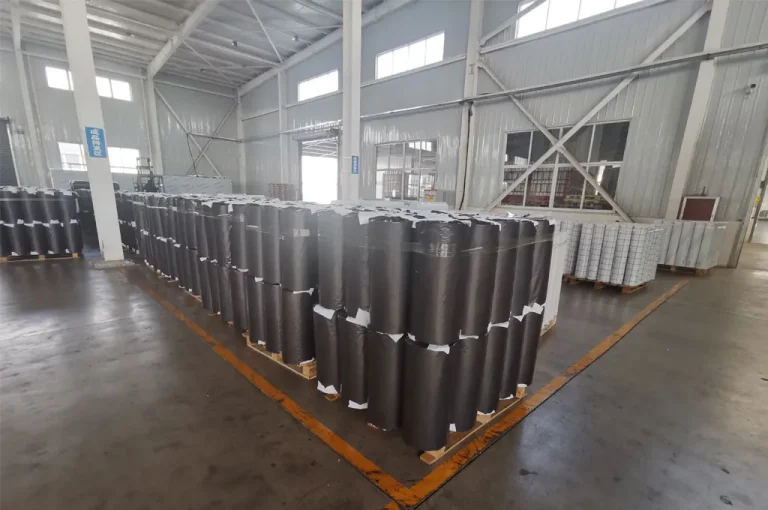
If you’re sourcing in bulk for furniture or building materials, consider suppliers with full-process production (calendering, printing, slitting, and packaging). This improves quality consistency and shortens lead times because the key steps are controlled in-house.
⚠ Common installation mistakes to avoid:
• Applying over greasy kitchen surfaces without degreasing
• Stretching the film too hard (patterns may distort, edges may shrink back)
• Ignoring seam planning (vein direction should look intentional across panels)
• Using low-quality tools (rough squeegee edges can scratch glossy finishes)
Marble looks most convincing when vein direction and panel layout feel natural. For multiple-door cabinets or long wall runs, plan seam locations where the eye expects breaks (cabinet divisions, corner returns, or trim lines). If your project requires repeatable matching, request supplier guidance on pattern repeat length and recommended cutting plans to reduce waste while keeping a consistent flow.
With correct installation and a suitable film specification, maintenance is straightforward:
You can buy marble effect PVC film through local distributors, renovation material retailers, or directly from manufacturers. For professional buyers, purchasing directly often provides better control over specification, batch consistency, and cost—especially for ongoing projects.
If you need stable supply for furniture production or project delivery schedules, prioritize a factory that can handle calendering, printing, slitting, and packaging as a full workflow. This helps reduce variability and lead time while improving traceability and QC.
🧾 Questions to ask before you place an order:
For sourcing and product exploration, you can browse categories and specifications via Product pages, learn more about film selection in Knowledge resources, and request quotations or samples through the Contact channel.
For B2B buyers, marble PVC film is more than a décor material—it’s part of a production system. Strong suppliers typically offer:
consistent thickness control, stable printing accuracy, optional functional coatings (such as anti-static), and standardized QC checks from raw materials through finished rolls.
Customization is often the deciding factor for furniture brands and contractors. With OEM/ODM support, you can specify roll width, thickness, surface feel, gloss level, pattern tone, and packaging (dust-proof PE film or kraft paper wrapping with labeled specifications). This enables smoother warehousing, fewer on-site surprises, and more predictable installation outcomes.
📌 Pro tip for contractors and manufacturers:
For large projects, request one approved “golden sample” and keep it for incoming inspection. This small step helps maintain visual consistency across multiple shipments.
Many marble PVC films are moisture-resistant and suitable for kitchens and bathrooms, but performance depends on the film specification, adhesive system, and installation quality (especially edge sealing and seam handling).
Yes, if the surface is clean, smooth, dry, and structurally sound. Heavily textured grout lines or damaged boards may require leveling or panel overlay first for a professional finish.
Clean/degrease thoroughly, apply at stable temperature, peel the liner gradually, squeegee from center outward, and firmly post-press edges. Avoid overstretching the film, especially around corners.
Durability depends on the surface layer and intended application. Choose the appropriate finish (and protective coatings if needed) and avoid abrasive cleaning tools to preserve gloss and pattern clarity.
Share the desired pattern/finish, thickness, roll width, quantity, application method (self-adhesive or lamination), and any compliance requirements. This helps suppliers recommend the right construction and confirm MOQ and lead time.