Address
304 North Cardinal St.
Dorchester Center, MA 02124
Work Hours
Monday to Friday: 7AM - 7PM
Weekend: 10AM - 5PM
Address
304 North Cardinal St.
Dorchester Center, MA 02124
Work Hours
Monday to Friday: 7AM - 7PM
Weekend: 10AM - 5PM


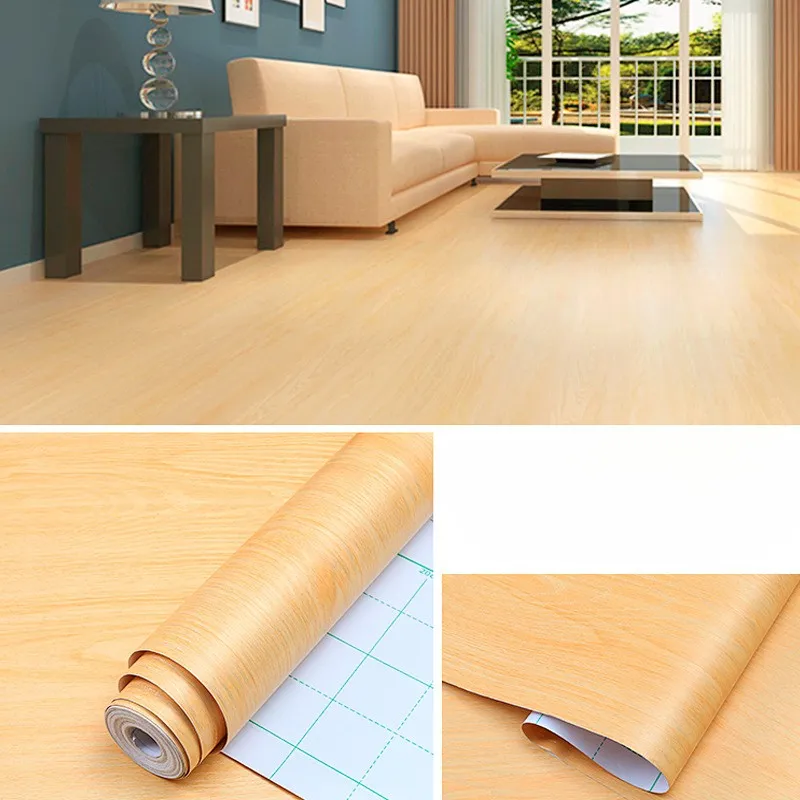
Solid high gloss PVC film is a premium decorative vinyl sheet designed to deliver a clean, mirror-like shine while protecting substrates used in modern interiors. From kitchen cabinet doors and wardrobe fronts to wall panels and retail fixtures, this durable glossy finish helps brands and fabricators achieve a high-end look with consistent color, smoothness, and easy maintenance—without the cost and weight of traditional lacquered boards.
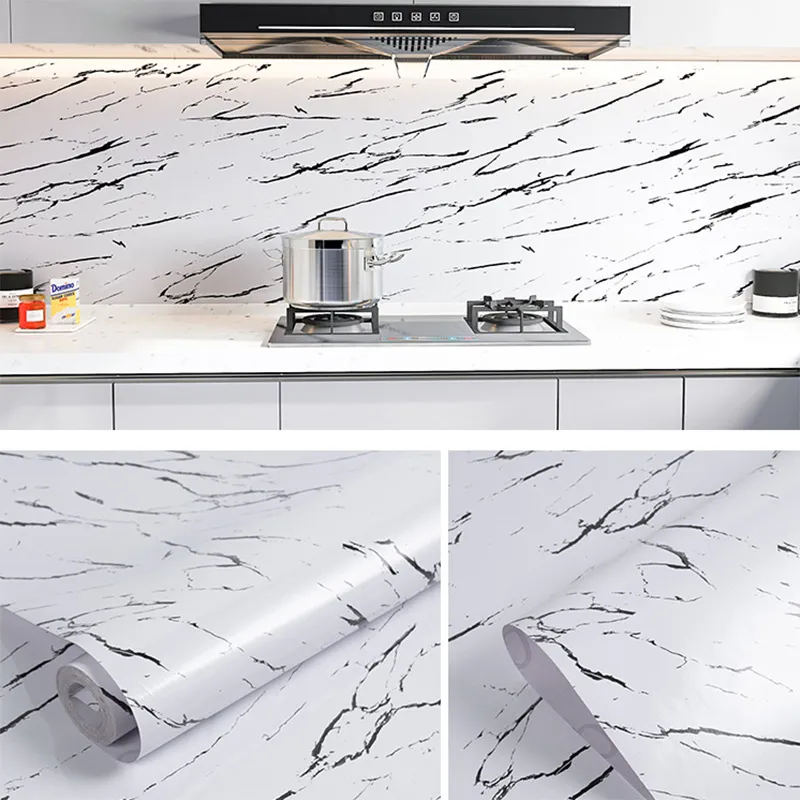
In competitive furniture and interior markets, surface quality is often the first thing customers notice. High gloss PVC film delivers a crisp reflection and uniform tone that elevates minimalist styles, contemporary cabinetry, and commercial wall systems. At the same time, the film adds a protective layer that helps resist daily wear in high-touch zones like kitchens, offices, and hospitality spaces.
Solid-color glossy PVC film is widely adopted across furniture and building decoration because it offers a predictable finish on large surfaces. It’s particularly valuable in applications where consistent reflection and uniform color are essential for perceived quality.
Ideal for kitchen cabinet doors, vanity units, wardrobe panels, office storage, TV units, and modular furniture. Glossy surfaces complement contemporary interiors and help reflect light in smaller rooms.
Suitable for decorative wall cladding, feature walls, commercial partitions, and display panels—especially where a clean, polished finish supports branding and a modern feel.
Used on counters, kiosks, shelving, and decorative columns where surfaces must look uniform under strong lighting and frequent cleaning.
High gloss PVC decorative film is typically produced via calendering and/or related finishing processes to achieve stable thickness, good surface flatness, and consistent optical performance. A reliable supplier should be able to control the entire workflow—from raw materials to calendering, printing (if needed), slitting, and protective packaging—so the gloss remains uniform across batches.
If you are sourcing for large-scale furniture lines, you can start by reviewing core base-film options such as
Calendered Film,
then select surface level, color standard, and roll specifications to match your lamination or wrapping process.
Solid high gloss surfaces look best when the overall design balances reflection with texture. For instance, pairing a glossy door panel with textured wall film or a soft-touch element can prevent the space from feeling too “clinical.” Many furniture brands mix finishes intentionally: glossy cabinet fronts, matte side panels, and textured accents for depth.
• Glossy solid white + warm woodgrain frames for kitchens and wardrobes.
• Deep glossy gray + brushed-metal handles for office furniture and retail fixtures.
• Glossy pastel tones + fine textile-like film for children’s furniture and compact apartments.
If you want a more tactile contrast next to a gloss surface, consider adding a textured decorative option such as
3D Silk Texture Film
on adjacent panels or feature zones to improve visual layering without changing the core structure.
High gloss films are less forgiving than matte finishes because reflection makes even small defects visible. The best results come from clean substrates, stable processing conditions, and the right adhesive/lamination parameters. Whether you are flat laminating onto MDF/plywood boards or wrapping 3D profiles, controlling dust and tension is essential.
Use non-abrasive cloths and neutral cleaners. Avoid harsh solvents that may damage the surface over time. For showrooms and commercial spaces, create a simple cleaning SOP so the gloss stays uniform and swirl-free.
Many projects don’t use only one film type. Instead, they build a coordinated “surface system” across doors, wall panels, skirting lines, and functional zones like kitchens or bathrooms. This approach improves design consistency while keeping material sourcing efficient.
For distributors, cabinet factories, and interior contractors, repeatability matters as much as appearance. OEM/ODM customization enables you to lock in film thickness, width, roll length, gloss level, color targets, and packaging specifications so your production stays stable across seasons and different project sites.
A supplier with full-process capability—calendering, printing, slitting, and packing—can shorten lead time while keeping the same quality standard. This is especially valuable for high-gloss surfaces, where batch-to-batch consistency is directly tied to customer satisfaction and reduced after-sales issues.
For indoor decoration and high-contact surfaces, it’s important to confirm the film uses environmentally responsible inks and controlled formulations. Request documentation for relevant management systems and product compliance needs in your market.
Tip: Ask for batch traceability and routine QC items such as thickness testing, surface inspection under strong lighting, adhesion evaluation, and packaging integrity checks before shipment.
Clear specifications speed up sampling and reduce misunderstandings. When you request a quotation, include your application method (flat lamination or profile wrapping), substrate type, expected performance, and the visual target (gloss intensity and color standard).
PVC film is a thin polyvinyl chloride sheet used as a decorative and protective surface layer on cabinets, wardrobes, wall panels, doors, and many other interior components.
Yes. It is typically easy to wipe clean with a soft cloth and mild cleaner. For best results, avoid abrasive pads and strong solvents that may dull the gloss.
Yes. OEM/ODM programs commonly support customization by thickness, width, roll size, color matching, surface treatment options, and export-ready packaging.
Substrate smoothness, dust control, lamination temperature/pressure stability, and tension management all impact whether you see bubbles, orange peel, micro-waves, or edge defects.
Many manufacturers support sampling and trial runs. MOQ depends on film type and customization requirements; share your target specs and quantity to confirm the best option.