Address
304 North Cardinal St.
Dorchester Center, MA 02124
Work Hours
Monday to Friday: 7AM - 7PM
Weekend: 10AM - 5PM
Address
304 North Cardinal St.
Dorchester Center, MA 02124
Work Hours
Monday to Friday: 7AM - 7PM
Weekend: 10AM - 5PM


Mumbai is one of India’s most dynamic hubs for interiors, furniture, retail fit-outs, packaging, and industrial conversion—industries where PVC film plays a quiet but critical role. From wardrobe shutters in compact apartments to high-traffic commercial flooring in Andheri, and from signage in Lower Parel to protective films used by electronics assemblers in Navi Mumbai, buyers increasingly want consistent quality, reliable lead times, and bulk-order readiness.
This guide explains how to identify trusted PVC film manufacturers and suppliers serving Mumbai, what standards matter for long-term performance, and how to place bulk orders without surprises—especially important in a city where timelines are tight, storage space is limited, and monsoon humidity can challenge packaging and adhesion.
Key Mumbai realities that shape procurement decisions:
In practice, “trusted” doesn’t only mean price competitiveness—it means the supplier can deliver the same surface feel, gloss level, emboss depth, and color tone across repeat orders, and can back it with clear specs, test reports, and responsive after-sales support.
PVC film is used across decorative and functional applications. Mumbai buyers typically source films for modular kitchens, wardrobes, wall panels, signage, flooring protection, and industrial surface protection. Selecting the right film type helps prevent common issues such as edge lifting, print mismatch, or premature wear in high-traffic environments.
Calendered films are widely chosen for bulk conversion because they offer stable thickness and good processability. If you are comparing manufacturers, ask about thickness tolerance control and roll-to-roll uniformity.
For reference product formats, see Calendered Film.
Decorative films are common for cabinetry, doors, partitions, and interior panels—especially in space-optimized Mumbai homes where renovations aim for a premium look without heavy substrates. Wood grain and marble looks remain strong favorites.
Explore typical patterns such as Wood Grain Film and Marble Film.
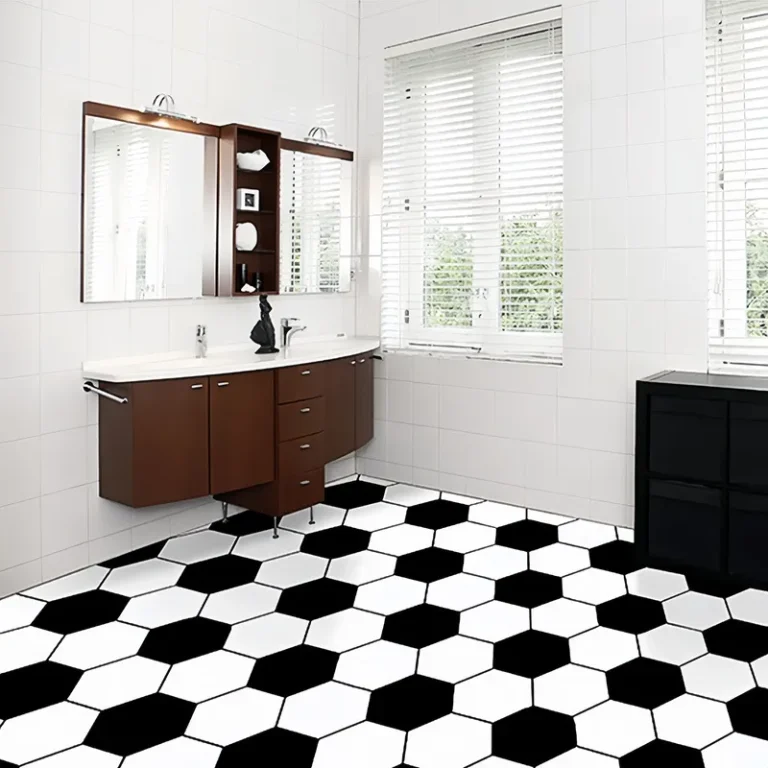
For commercial corridors, shop floors, and high-footfall residential areas, buyers focus on abrasion performance, dimensional stability, and easy maintenance. When the end-use is flooring, align film selection with wear expectations and cleaning chemicals typically used by housekeeping teams.
A reference category is Floor Film.
Retail counters, hospitality surfaces, and feature walls often require a “touch-and-feel” upgrade—silk textures, deep emboss, and 3D effects. These demand tighter control of embossing repeat, gloss, and scratch resistance.
A reference option is 3D Silk Texture Film.
Quality is not just “how it looks on the first day.” For Mumbai’s mix of coastal humidity, air-conditioned interiors, and heavy daily use, a robust spec and compliance package reduces callbacks and waste.
Checklist (request from your supplier):
Buyers frequently encounter issues like curl, blocking (roll layers sticking), and inconsistent gloss when storage conditions fluctuate. To reduce risk:
specify packaging requirements (dust-proof wrap, moisture barrier), confirm recommended storage temperature, and ask for guidance on acclimatization time before lamination—especially during peak monsoon months.
Bulk purchasing is not only about ordering more rolls. It’s about ensuring repeatable production, controlled variation, and smooth receiving/handling at your warehouse or job site.
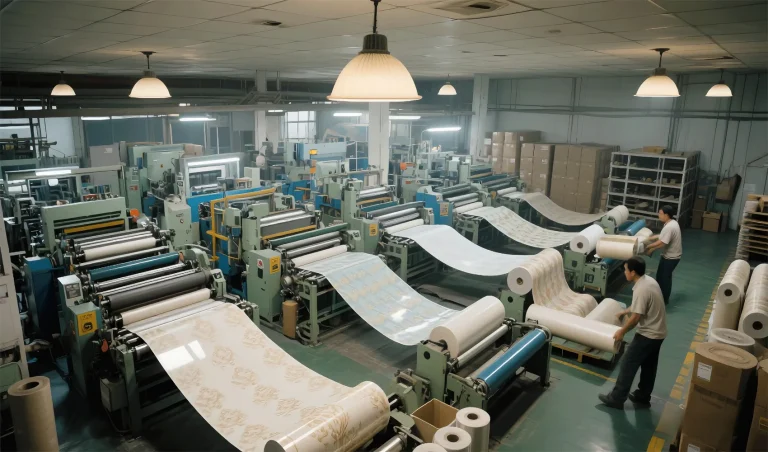
Strong manufacturers operate complete lines—calendering, printing, and slitting & packaging—so they can control quality at every stage rather than relying on fragmented outsourcing. This matters when you need color matching, emboss precision, or stable supply for ongoing projects.
Bulk-order readiness signals you should look for:
For deliveries into Mumbai and surrounding industrial belts, insist on export-ready packaging principles even for domestic shipments:
moisture protection, corner/edge safeguards, and pallet stability. This reduces damage during multi-point transport and frequent handling at congested receiving docks.
Mumbai’s market includes local distributors, converters, importers, and direct-from-manufacturer sources. Each model can work; what matters is aligning the supplier to your risk tolerance, customization needs, and timeline.
A film that performs well on wardrobe shutters may fail on a countertop edge or a high-traffic flooring layer. Provide your supplier with:
substrate type, lamination method (hot/cold), expected temperature exposure, cleaning chemicals, and whether the film needs anti-static, anti-fog, or other functional coatings.
In interiors and retail fit-outs, rejection often happens for aesthetic reasons rather than pure failure. Agree on measurable acceptance criteria:
thickness range, gloss unit target (if relevant), emboss depth, color tolerance, pattern repeat, and roll length/width tolerances.
Request samples in the same lamination setup you use in production (press type, adhesive, temperature, dwell time). If you operate in non-air-conditioned workshops (common in many industrial pockets around the city), test for curling and edge behavior after 24–72 hours in real conditions.
Quick “go/no-go” checks for sampling:
For ongoing Mumbai projects—multiple towers, phased retail openings, or repeated cabinet orders—batch consistency prevents the most painful issue: mismatch between earlier and later lots. Ask suppliers how they control raw material variation, printing calibration, and emboss roller consistency, and whether they offer third-party verification when needed.
If a problem arises on-site, you need roll numbers and documented parameters to isolate the cause quickly. Trusted suppliers maintain records for each batch and can advise on storage, lamination settings, and corrective actions—saving both time and material.
Customization is worth it when you want a unique finish for a brand, a specific color match for a developer’s palette, or functional properties that reduce maintenance. Good OEM/ODM programs can customize:
thickness, width, roll size, surface finish (matte/gloss), coatings (anti-static/anti-fog/food-grade where applicable), printing, and packaging.
Mumbai-useful customization ideas (high ROI):
A well-structured RFQ speeds up pricing and reduces misunderstandings. Include:
film type, thickness, width, roll length, finish (gloss/matte/emboss), color/pattern reference, application method, quantity, packaging requirements, and delivery destination (Mumbai/Navi Mumbai/Thane, etc.).
MOQ depends on product type and the level of customization. Many manufacturers support trial orders, but deeper customization (special prints/emboss) usually requires larger volumes to ensure stable production and color matching. If you’re building a long-term supply relationship, negotiate a phased plan: sampling → pilot batch → scheduled bulk.
Lead time varies with order size and complexity. To keep projects on track:
confirm production slots, request pre-shipment inspection data (or video verification), and consider split deliveries to match site readiness—especially when storage space is limited at location.
Tip for Mumbai receiving teams (simple but effective):
On arrival, store rolls off the floor, away from direct sunlight and moisture sources, and allow acclimatization before processing. This reduces curl and improves lamination stability.
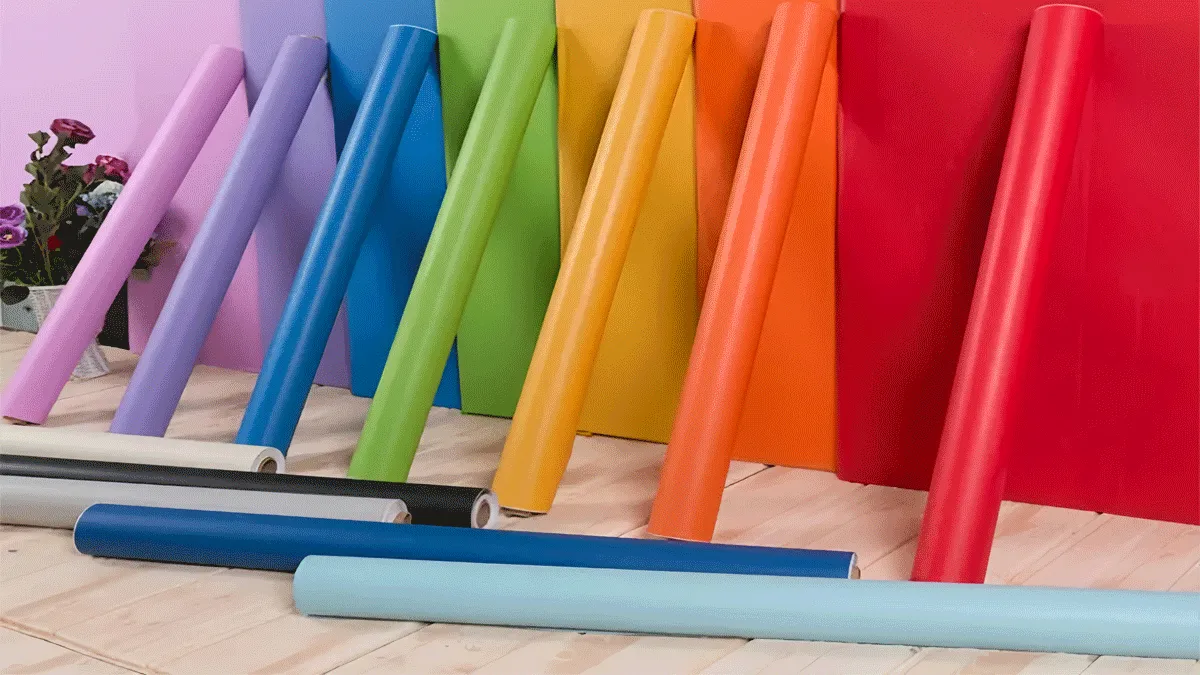
For Mumbai businesses that want a stable supply partner beyond one-off purchases, Pulivk Film’s strengths align with what large projects demand: end-to-end production, strict QC, and OEM/ODM flexibility. Their product range covers calendered film, decorative film (wood, stone, solid colors, metal effects), transparent/matte/glossy options, anti-static and self-adhesive formats, plus slitting and protective packaging tailored to shipping safety.
Equally important for bulk orders: consistent batch management, roll-by-roll packaging (dust-proof PE film or kraft paper), and export experience across Southeast Asia, the Middle East, and Europe—helpful when Mumbai buyers need documentation discipline and predictable logistics behavior.
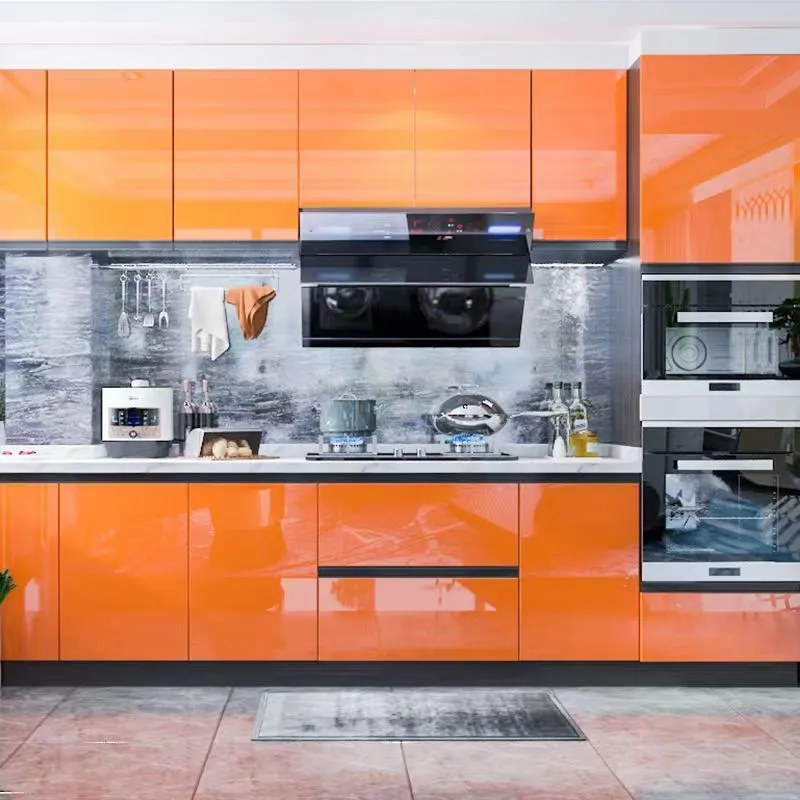
Wood grain, cloth grain, soft-touch, high-gloss, and solid color films are popular for cabinet shutters and wardrobe panels—especially in renovation-heavy neighborhoods where quick transformation is preferred over structural rebuilds. Consistent gloss and scratch resistance are key for kitchen workflows and frequent cleaning.
Wall panels, partitions, ceiling accents, and door skins often use marble/stone textures or matte solids. For coastal humidity, ensure the lamination system and film compatibility are proven with your substrate and adhesive combination.
Anti-static and protective films reduce dust attraction and surface damage during assembly and transport—important in busy facilities with multi-stage handling.
Films used for display surfaces and retail fixtures need stable color under lighting and good scratch resistance. For short timelines, prioritize suppliers that can align print approvals quickly and maintain repeatability for chain-store roll-outs.
PVC film is a thin sheet made of polyvinyl chloride used for decorative, protective, and industrial purposes. It’s popular because it offers versatile finishes (wood, marble, matte, glossy), good durability, and scalable manufacturing for bulk projects.
Ask for ISO 9001/ISO 14001 where available, plus REACH and RoHS compliance, and material safety confirmation (e.g., free of heavy metals and phthalates). Also request relevant test reports tied to your use case (adhesion, abrasion, thickness tolerance).
Use moisture-protective packaging, store rolls off the floor in a dry area, avoid direct sunlight, and allow acclimatization before lamination. Also confirm the supplier’s guidance on storage temperature and unwind behavior.
Yes. Many offer OEM/ODM services including thickness/width/roll size, surface finish, coatings (anti-static/anti-fog), printing, and packaging. Share your substrate and process details to ensure compatibility.
Provide film type, thickness, width, roll length, finish, pattern/color reference, quantity, application method, required compliance, packaging needs, and delivery location. Clear RFQs typically lead to faster pricing and fewer production mismatches.