Address
304 North Cardinal St.
Dorchester Center, MA 02124
Work Hours
Monday to Friday: 7AM - 7PM
Weekend: 10AM - 5PM
Address
304 North Cardinal St.
Dorchester Center, MA 02124
Work Hours
Monday to Friday: 7AM - 7PM
Weekend: 10AM - 5PM


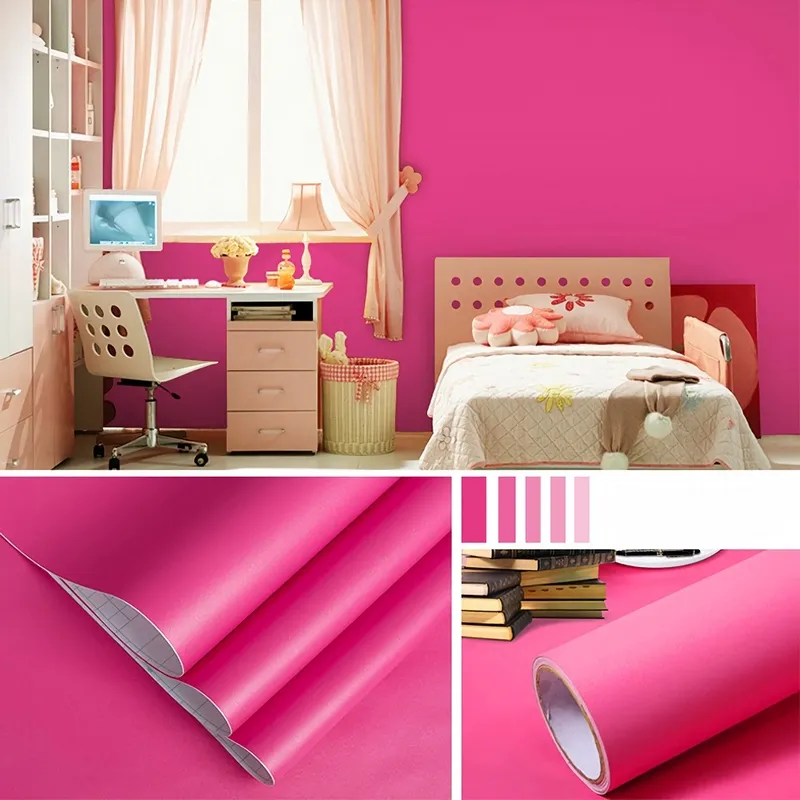
Choosing a PVC film making machine is not only a purchasing decision—it’s a quality strategy. The “right model” depends on what you produce (decorative, transparent, soft-touch, self-adhesive, anti-static, etc.), how stable you need the film thickness and surface performance to be, and how much flexibility you require for OEM/ODM customization. This guide breaks down the key machine types, core technical parameters, and practical checkpoints to help you select a model that consistently delivers high-quality PVC film at the lowest total production risk.
Key takeaway:
High-quality film production is a system outcome—raw material handling + forming method (calendering/casting) + temperature control + tension control + surface treatment + slitting/packaging discipline.
Many buyers compare equipment based on output (kg/h) or line speed, but the real differentiator is whether the machine can hold your critical quality specs under daily production conditions. Start by listing your target film types and application industries: furniture laminations, architectural decoration, electronic protection, advertising backdrops, medical/cleanroom packaging, or household waterproof films.
“PVC film making machine” can refer to multiple production routes. Two common industrial routes are calendering and casting/extrusion. Your product mix and surface requirements determine which model family is most suitable.
Calendering compresses and forms PVC through a series of precision rollers. It is widely chosen for decorative films and applications demanding consistent thickness, strong mechanical properties, and repeatable surface control. If you plan to manufacture
Calendered Film
for furniture, interior panels, and industrial use, a properly configured calender line is typically the most robust long-term choice.
Best fit: wood grain, marble, solid color, embossed, matte/glossy decorative films; multi-purpose industrial films; projects where thickness stability and roll-to-roll consistency are critical.
Extrusion or casting routes can be attractive for some transparent or specialty structures, depending on formulation and target properties. However, buyers should pay extra attention to melt filtration, temperature zoning, die lip control, and downstream cooling/tension stability to avoid gels, flow marks, and thickness variation.
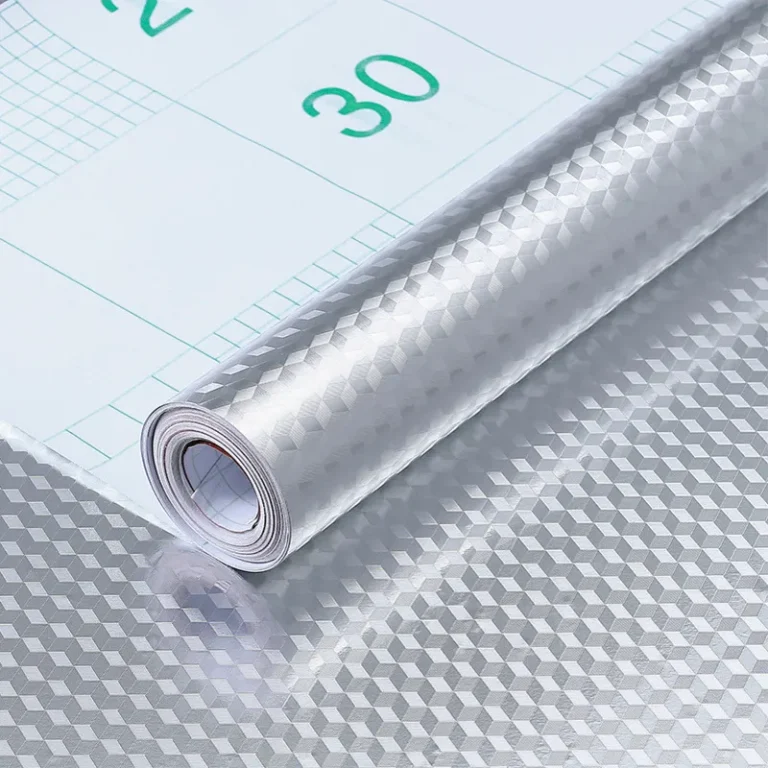
Even if the forming stage is strong, film quality can degrade during embossing, printing, or slitting. For example, decorative films such as
3D Silk Texture Film
depend heavily on embossing pressure stability, temperature control, and tension matching. Slitting and packaging also matter: edge damage, telescoping, and contamination typically come from poor winding logic and inadequate protective wrapping.
In calendering, roller quality and alignment are non-negotiable. Look for a stable roller stack design, reliable bearing systems, and a proven thickness control strategy. Ask suppliers how they ensure consistent gauge across the width at different speeds and with different formulations.
✔ Checklist: request real production data, not only design specs.
PVC is sensitive to thermal history. A machine model that looks similar on paper can perform very differently if heating/cooling zones are poorly designed. Stable thermal control helps prevent discoloration, odor, brittleness, and surface defects—especially for high-gloss decorative films and soft-touch finishes.
Premium customers judge quality by roll appearance as much as by lab results. Inconsistent tension causes wrinkles, waviness, telescoping, and edge cracks. The “right model” should offer precise tension zones from forming to cooling to winding, plus stable web guiding and defect-friendly splicing options.
If you plan to serve electronics/appliance clients, anti-static performance can be a must. If you serve kitchen/bathroom decoration, oil-proof and stain resistance may be a stronger driver. Your line design should support coating, corona/primer, or lamination steps without compromising base-film stability.
Note:
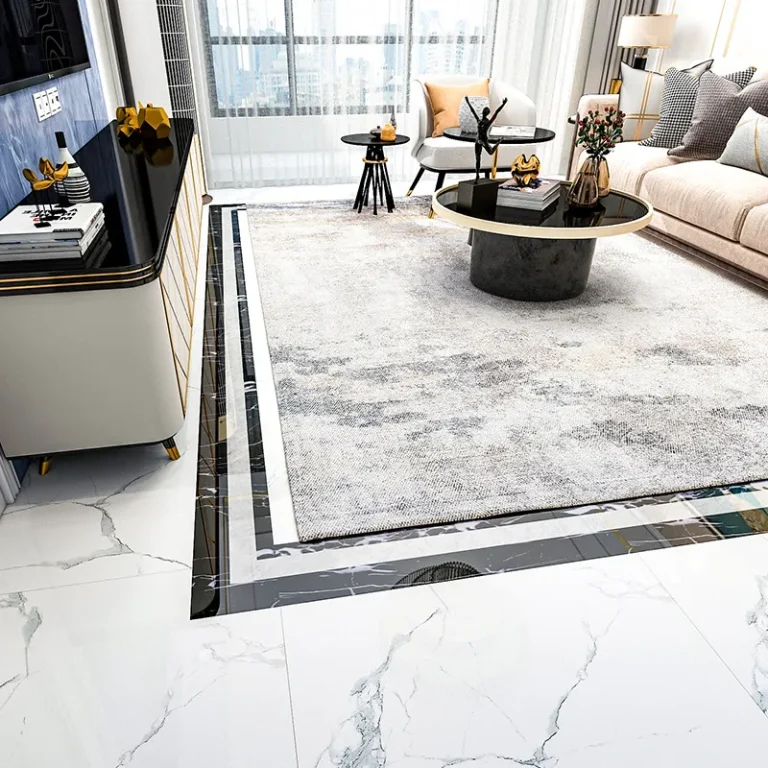
When producing floor-related films, the balance between wear resistance, dimensional stability, and winding tension is especially critical. If flooring is part of your plan, review product requirements like
Floor Film
and confirm the machine can meet thickness stability and surface durability targets.
A common mistake is buying a line optimized for one “hero product” and later discovering it cannot economically switch to new patterns, finishes, or widths. If your business model includes multiple SKUs—wood grain, marble, cloth texture, solid color, transparent, or self-adhesive—prioritize modularity and changeover efficiency.
Decorative film success is measured by surface realism, gloss control, and batch consistency. For example, when producing
Wood Grain Film,
you’ll want stable embossing/printing registration, reliable color control, and a winding system that protects surface texture without pressure marks.
Skirting and profile-related films usually demand tight width control, good adhesion/lamination compatibility, and strong edge quality after slitting. If this is part of your plan, validate the slitting and packaging section against requirements typical of
PVC skirting film.
For electronics, medical, and cleanroom markets, you’ll be judged on measurable performance: surface resistivity, VOC control, cleanliness, and traceability. Ensure the machine model supports stable formulation feeding, contamination control, and process records. If you plan to sell into regulated markets, build your validation package early (material declarations, third-party testing, batch labeling, and process parameters).
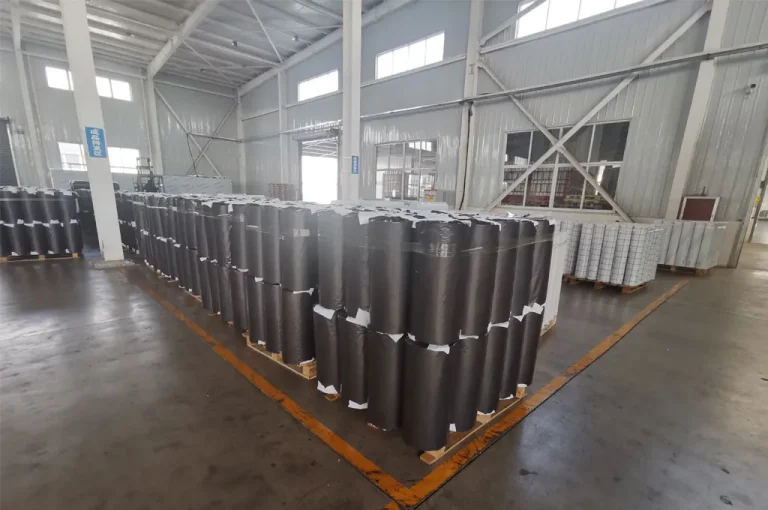
High-quality film is easier to achieve when the production line is designed as a closed-loop workflow: compounding/mixing → forming → cooling → surface treatment → printing (optional) → slitting → packaging. A supplier with full-process capability can often reduce your integration risk because they already understand how each step impacts the next.
If your business relies on OEM/ODM orders, you need more than a machine that “can run.” You need a model that can switch specifications with minimal waste and can repeatedly hit customer-approved samples. That means quick changeovers, stable process windows, and predictable behavior across colors, patterns, and surface finishes.
重点提醒:
When evaluating a machine, ask the supplier to demonstrate sample-to-mass-production consistency—not only the ability to produce one “good roll” during commissioning.
Global buyers increasingly request compliance evidence (such as ISO systems and material safety compliance like REACH/RoHS/FDA where applicable). Your machine selection affects how reliably you can meet these expectations—particularly regarding contamination control, process stability, and documentation.
Also pay attention to the sustainability and safety side of production: energy efficiency, fume extraction, safe heating systems, noise control, and whether the line supports environmentally friendlier inks and coatings for indoor and human-contact applications.
Request real case references aligned with your film type (decorative, floor, clear, anti-static, self-adhesive). A supplier that routinely produces multiple film types end-to-end (forming + printing + slitting/packaging) can often shorten your ramp-up time and reduce costly trial cycles.
The right machine model is also the one you can operate confidently. Confirm commissioning scope, operator training, spare parts availability, remote troubleshooting, and whether live video factory tours are supported for faster decision-making and alignment across teams.
A cheaper machine that produces unstable rolls can cost more than a premium machine once you factor in scrap, returns, rework, customer claims, and slower effective throughput. Compare models using metrics that connect directly to profit: usable yield, defect rate, changeover waste, energy consumption per ton, labor intensity, and maintenance downtime.
Decision rule:
Choose the machine model that gives you the highest stable yield at your target spec—not the highest peak speed under ideal conditions.
For many decorative and industrial applications, a well-designed calendering line is preferred because it offers strong gauge control, repeatability, and consistent surface finish.
Focus on multi-zone tension control, web guiding, winding shaft design, and cooling stability. Many roll-appearance defects come from tension mismatch rather than the forming stage.
Yes—if the model is designed for flexible temperature zoning, stable embossing/printing integration, and efficient changeovers. Confirm proven cases for each film type you plan to sell.
Provide film type, thickness, width, surface finish, color/pattern, functional requirements (e.g., anti-static/self-adhesive), and expected monthly volume. This helps suppliers propose the correct line configuration and validate performance targets.
Request a virtual or on-site factory evaluation, review real production data for similar products, and define acceptance criteria (thickness tolerance, defect limits, roll appearance, and output stability) in the contract before manufacturing begins.