Address
304 North Cardinal St.
Dorchester Center, MA 02124
Work Hours
Monday to Friday: 7AM - 7PM
Weekend: 10AM - 5PM
Address
304 North Cardinal St.
Dorchester Center, MA 02124
Work Hours
Monday to Friday: 7AM - 7PM
Weekend: 10AM - 5PM


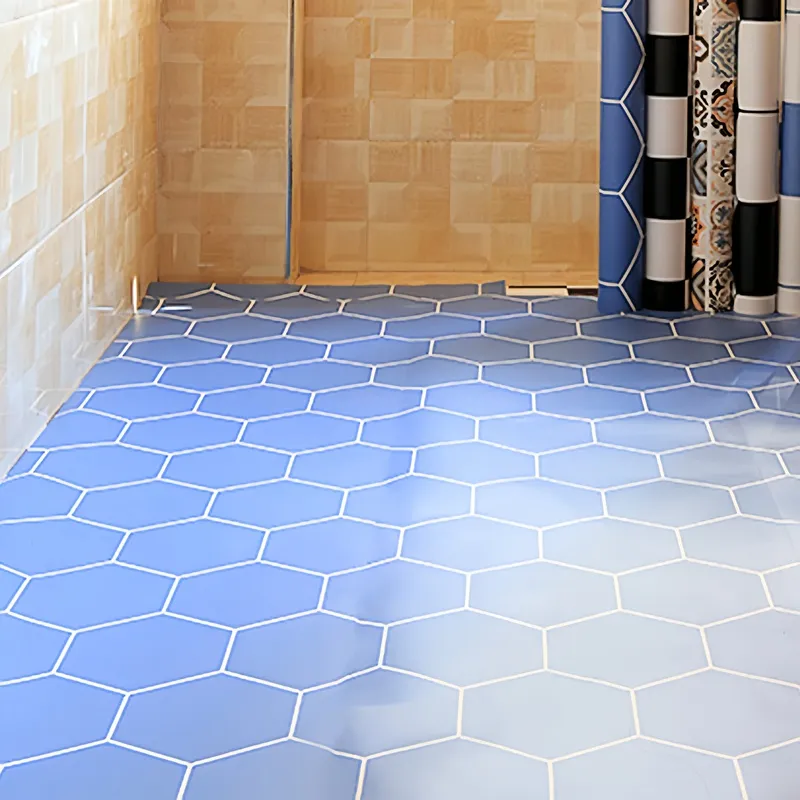
PVC film has become one of the most practical materials in modern plastic fabrication—especially when you need custom covers, reliable packaging, or industrial protection that looks professional and performs consistently. Whether you are protecting finished furniture panels, wrapping components for export, or building durable surface skins for interiors, PVC film offers a rare mix of formability, surface variety, and process compatibility.

This guide explains how to select and use PVC film in fabrication workflows, with practical tips on design, thickness selection, surface finishes, converting steps (printing, slitting, packaging), and quality checks—so you can achieve fewer defects, faster delivery, and better cost control.
Compared with many rigid sheets or brittle laminates, PVC film is engineered for real-world handling: it can be calendered for stable thickness, formulated for clarity or texture, and finished for decorative or functional performance. In fabrication, this means you can cover, protect, or package products without sacrificing throughput.
Key advantages you can leverage:
The “best” PVC film depends on your application: is it decorative or purely protective? Does it need anti-static performance for electronics? Will it face moisture, oil, abrasion, or frequent cleaning? Start by mapping requirements to film categories.
Calendered film is a workhorse material when you need consistent thickness, predictable shrink behavior, and scalable supply. It’s widely used for packaging, protective wraps, and decorative lamination bases. If you want a baseline spec to build from, start with a proven
Calendered Film
and then add surface or functional options (embossing, anti-static, self-adhesive, etc.).
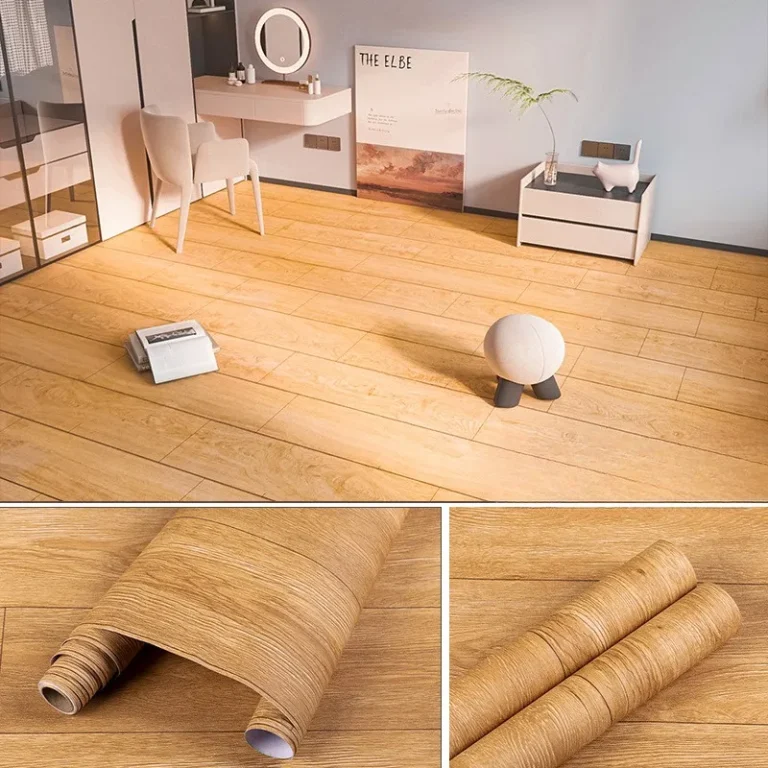
Decorative PVC films are designed for visual consistency across batches and for compatibility with bonding/lamination processes. Typical patterns include wood grain, marble, solid colors, brushed effects, and 3D textures. For example:
In industrial protection and electronics packaging, functional coatings can be as important as thickness. Anti-static films help reduce dust attraction and static discharge risk; anti-fog coatings improve visibility for protective covers; self-adhesive films simplify installation and reduce mechanical fasteners.
Selection tip:
If your product will be handled in a clean area, electronics line, or showroom, prioritize surface cleanliness, low odor, and stable adhesion (if self-adhesive) as primary acceptance criteria—not only thickness.
PVC film is widely used to fabricate and finish custom covers for furniture panels, cabinet doors, skirting boards, decorative profiles, and interior components. The key benefit is that you can achieve a consistent design language—wood, stone, matte solid, or metallic—while improving scratch resistance and cleaning convenience.
For example, skirting boards and edge areas need both aesthetics and durability. A dedicated
PVC skirting film
can help maintain uniform color and texture while resisting scuffs in high-traffic areas.
PVC film packaging is often chosen when products need a clean visual presentation and a reliable barrier against dust, scuffs, and handling damage. In B2B logistics, roll-to-roll packaging films can be slit to exact widths, applied with automated wrapping lines, and labeled for traceability.
Packaging checklist (use it before approving mass production):
Industrial protection films prevent scratches, reduce contamination, and maintain cosmetic quality from factory to installation site. In electronics and appliance assembly, anti-static films can minimize dust attraction and help protect sensitive areas. In panel production, protective films reduce rework caused by micro-scratches that only appear under showroom lighting.
Choose transparent film when operators must visually inspect surface quality or alignment during assembly. Choose opaque or patterned film when you want to hide the product during transit, reduce UV exposure, or create brand differentiation for packaged goods.
Many issues—curling, bubbles, inconsistent color, edge cracking—come from incomplete specifications. A fabrication-grade spec should define performance, converting method, and packaging requirements.
Thickness affects stiffness, drape, corner-wrapping performance, and tear resistance. Width and roll length affect productivity (changeovers) and scrap rate. For automated lines, confirm core size, max roll OD, and allowed splice method to prevent downtime.
Gloss level (high gloss, semi-gloss, matte) changes not only appearance but also defect visibility and cleaning behavior. Emboss patterns can enhance grip and reduce fingerprints, while soft-touch films increase perceived value for consumer-facing surfaces.
Pro tip:
Ask for batch traceability (roll ID + QC record) and confirm whether the supplier can provide third-party test reports (e.g., REACH/RoHS/FDA where applicable).
A reliable PVC film program is not only about resin formulation—it’s about process control from calendering to printing to slitting and packaging. When the same manufacturer controls the full chain, it becomes easier to stabilize quality and shorten lead times.
Calendering determines thickness consistency and base mechanical properties. Stable calendering reduces downstream problems like uneven lamination, variable shrink, or streak defects that become visible under gloss finishes.
Printing quality matters most when films are used as visible covers. Control points include color matching, pattern repeat accuracy, and ink safety. For indoor decorative uses, using eco-friendly, non-toxic inks helps reduce odor and improves suitability for high-contact environments.
Texture is not just a design feature—it affects scratch hiding, cleaning feel, and bonding behavior. Make sure emboss patterns are consistent across batches, especially for projects requiring color/texture continuity (e.g., hotels, office fit-outs, retail chains).
Even a perfect film can fail in the last step if edges are dusty, the winding is loose/tight, or the roll is contaminated. Export-ready packaging should include dust protection and clear labels. A common best practice is individual wrapping with protective PE film or kraft paper plus spec labeling for quick warehouse scanning.
If you treat PVC film as a “decoration” applied at the end, you risk surprises. Instead, design your cover/packaging/protection method around how PVC film behaves under heat, pressure, and time.
For deep draws or tight radii, choose films with appropriate elongation and confirm forming temperature windows. Inconsistent heating can cause whitening, stress marks, or texture distortion—especially on high-gloss surfaces.
Decide early whether you will bond with heat/pressure lamination, use adhesive systems, or apply self-adhesive film. For removable protective layers, define the required “clean peel” behavior: no residue, no ghosting, and stable peel force over storage time.
If your business relies on repeatable interiors (franchises, real-estate staging, modular furniture), color control becomes critical. Lock down master samples, define tolerance, and request lot-to-lot checks. For large projects, consider reserving production capacity or scheduling runs to reduce drift between batches.
QC should reflect how the film is used in the real world. A film that “passes” basic checks can still fail after lamination, after sitting in a warehouse for months, or after export shipping cycles. Build a simple, repeatable QC routine aligned with your process.
Many fabrication projects are won or lost on customization: exact thickness, exact color, consistent pattern repeat, and packaging that reduces handling damage. A capable OEM/ODM supplier can customize specifications, colors, printing, functional coatings, and roll packaging—while keeping quality stable.
If you are developing a private-label program or producing multiple SKUs for different markets, consider standardizing a “platform spec” (core thickness + base finish) and then customizing only the surface layer (pattern/color/coating). This reduces complexity and often improves delivery stability.
For indoor decoration, home products, and medical/clean applications, compliance is not optional. Confirm that materials meet relevant requirements (such as heavy-metal and phthalate restrictions) and that the supplier can provide documentation aligned with ISO quality systems and regional regulations.
Reminder:
If the film will touch skin, be used indoors long-term, or be used around food-contact zones, specify compliance expectations early (e.g., REACH/RoHS/FDA where applicable) and confirm ink/coating safety.
1) What is PVC film, and why is it used so widely?
PVC film is a thin polyvinyl chloride sheet used for decorative, protective, and packaging purposes. It’s popular because it supports many finishes (glossy, matte, embossed), converts well (printing/slitting/lamination), and delivers stable performance at scale.
2) How do I choose between decorative film and protective film?
Use decorative film when the surface will remain visible and needs pattern/texture consistency. Use protective film when the goal is temporary protection during production, transport, or installation (often requiring clean peel and controlled adhesion).
3) Can PVC film be customized for thickness, color, and performance?
Yes. OEM/ODM programs commonly customize thickness, width, roll length, surface finish, printing pattern, and functional treatments such as anti-static or anti-fog—plus packaging and labeling for export logistics.
4) What quality checks prevent the most problems in production?
Thickness consistency across width, angled-light surface inspection, adhesion/peel testing (if applicable), winding/edge cleanliness, and packaging integrity are the most effective checks for reducing rework.
5) Do PVC films meet international safety and compliance requirements?
Many industrial PVC films can be produced to meet requirements such as REACH and RoHS, and can be supported with quality management documentation (e.g., ISO systems). Always confirm the exact compliance targets for your market and application before ordering.