Address
304 North Cardinal St.
Dorchester Center, MA 02124
Work Hours
Monday to Friday: 7AM - 7PM
Weekend: 10AM - 5PM
Address
304 North Cardinal St.
Dorchester Center, MA 02124
Work Hours
Monday to Friday: 7AM - 7PM
Weekend: 10AM - 5PM


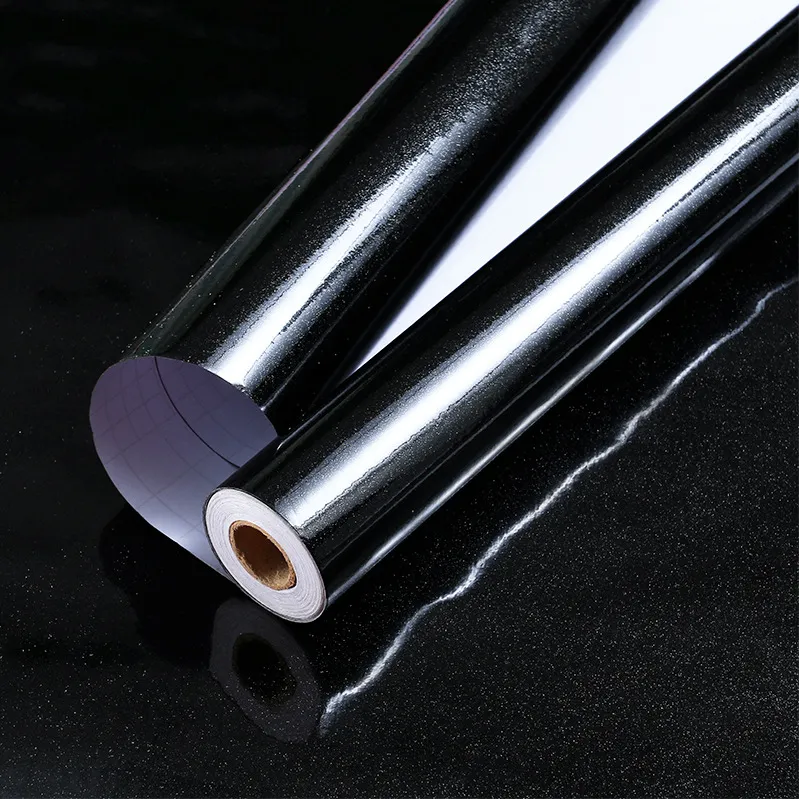
Normal clear PVC film is one of the most practical “workhorse” materials used across furniture, interiors, packaging, and general protection applications. It combines reliable clarity, easy processing, and cost efficiency—making it a common choice for manufacturers, contractors, and brands that need consistent rolls at scale. This guide explains typical uses, key benefits, thickness options, and a straightforward method to choose the right roll for your project.
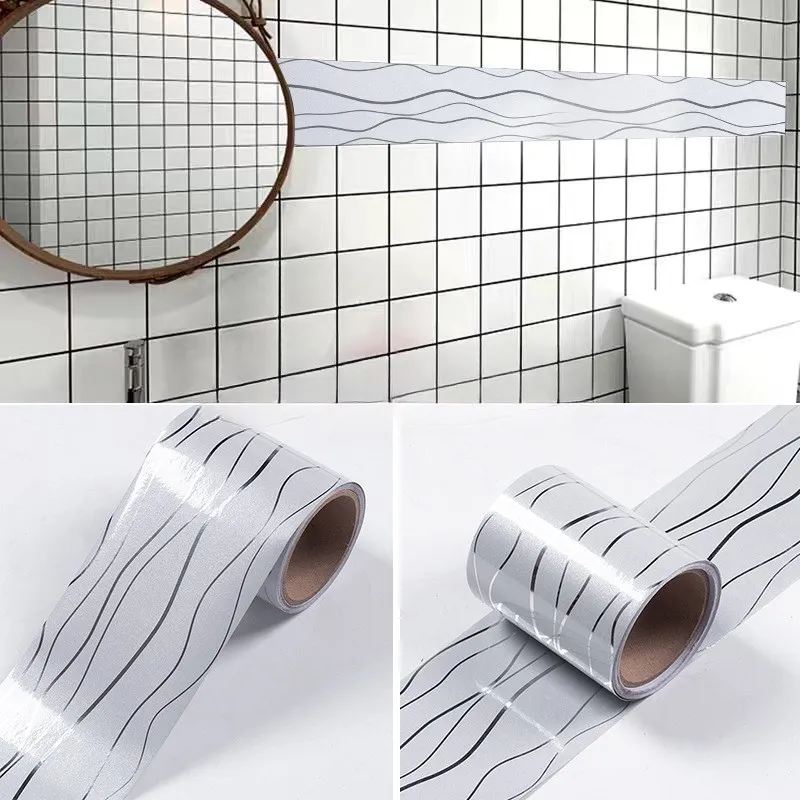
“Normal clear” generally refers to transparent PVC film designed for standard industrial and decorative use—balanced for clarity, toughness, and stable roll performance. Compared with specialty transparent films (anti-fog, anti-static, food-grade coatings, ultra-high gloss optical grades), normal clear PVC focuses on dependable day-to-day performance and wide compatibility with downstream processing.
✔ Quick takeaway:
Choose normal clear PVC film when you need transparent protection, lamination, wrapping, or general covering with predictable cost and supply—without requiring a highly specialized coating.
For a deeper look at industrial roll production styles, you can also explore Calendered Film, which is a common manufacturing route for PVC films known for stable thickness control and efficient output.
Clear PVC film is widely used as a protective layer during storage and transport: shielding surfaces from scratches, dust, and light abrasion. It’s often selected for items that benefit from visible inspection without unwrapping, such as panels, boards, decorative components, and consumer goods.
In furniture manufacturing, clear film can work as a protective overlay or be paired with printed/texture layers in composite systems. It helps improve wipeability and reduces wear on high-contact zones such as cabinet sides, shelves, and display areas. If you also use decorative patterns, pairing clear protection with products like Wood Grain Film can support consistent appearance while keeping maintenance simple.
Contractors may apply clear PVC film as a temporary cover during installation or renovation—protecting finished surfaces from paint mist, dust, and tool contact. It’s also used for barrier layers where visibility is beneficial (quick checks, alignment, and cleanliness monitoring).
For display boards and promotional materials, clear film can protect printed surfaces from scuffs and moisture. It’s commonly selected when you need quick finishing and a clean, transparent look.
Clear PVC film supports wipe-clean routines for frequently used areas. In kitchens, clear protective layers are sometimes used alongside specialty solutions like Kitchen Anti-oil Film when oil resistance is a priority.
Transparency helps operators, installers, and end users check surfaces, patterns, and cleanliness without removing the protective layer—reducing rework and saving time.
Normal clear PVC film offers practical resistance to tearing and abrasion for routine packaging, covering, and light-duty protection. Thickness selection (covered below) is the primary lever for improving toughness.
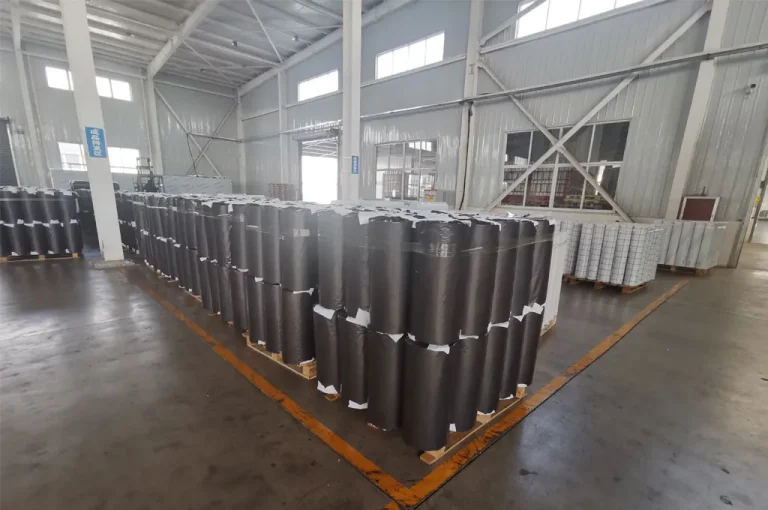
Clear PVC film is commonly supplied in roll form, easy to slit, die-cut, and package. When sourced from a supplier with full-process production (calendering, printing, slitting, and packing), roll consistency is easier to maintain across batches.
Clear PVC delivers a strong balance of performance and price, especially for high-volume needs where stable supply, predictable specs, and consistent QC matter more than niche coatings.
Many projects require custom roll width, thickness, and packaging. OEM/ODM support can also include functional treatments (anti-static, anti-fog, food-grade coatings) if your application calls for them.
Clear PVC film thickness is typically specified in microns (μm) or millimeters (mm). As thickness increases, you usually gain stiffness, tear resistance, and durability—but trade off flexibility and sometimes cost.
| Thickness Range | Best For | What to Watch |
|---|---|---|
| 60–120 μm | Light protection, inner packaging, dust covers, temporary surface shields | More prone to wrinkling; less puncture resistance on sharp edges |
| 150–250 μm | General-purpose industrial rolls, protective overlays, furniture/interior use | Balance flexibility vs. strength; confirm roll memory and lay-flat needs |
| 300–500 μm | Higher durability covering, semi-rigid protection, repeated handling | Heavier rolls; check winding tightness and storage temperature |
| 600 μm+ | Specialty protective panels, heavy-duty applications requiring stiffness | Reduced flexibility; confirm forming method and minimum bend radius |
Tip:
If you’re unsure, start with a mid-range thickness (often 150–250 μm) for prototypes. Then adjust based on real handling, corner protection, and whether the film must drape or remain stiff.
Start with what “success” looks like: is the film a disposable protective layer, a visible finished surface, or part of a multi-layer structure? If it’s a visible surface, you may also need to decide between gloss, matte, or textured systems. For a more design-forward finish, options like 3D Silk Texture Film can be paired with protective strategies depending on the production method.
Ask three questions: (1) Will it face sharp corners? (2) Will it be dragged or rubbed during logistics? (3) Is it single-use or reused multiple times? The more “yes” answers, the more thickness you’ll want.
Roll compatibility prevents downtime. Confirm your machine’s maximum outer diameter, core inner diameter, allowable roll weight, and whether your process needs a specific winding direction. If you plan to slit rolls into smaller widths, request stable slitting and packaging to avoid telescoping and edge damage.
Normal clear PVC works well for general needs, but some environments benefit from upgrades:
If the film will be used indoors or in contact-prone applications, confirm documentation such as ISO systems and chemical compliance (commonly REACH/RoHS and other relevant standards). Also confirm whether the material is free of heavy metals and phthalates if your customer specifications require it.
For export and long-distance shipping, individual roll wrapping (e.g., dust-proof PE film or kraft paper) and clear labels help preserve clarity and reduce edge damage. If your process is sensitive, request consistent roll hardness and neat edges to minimize waste at startup.
⚠ Storage note:
Keep rolls away from direct sunlight and high heat. Temperature swings can affect lay-flat behavior and unwinding stability, especially in thicker gauges.
Clear PVC film is versatile, but it’s not universal. Consider alternatives or upgraded PVC variants when:
If the application faces sustained high temperatures, confirm thermal limits and dimensional stability with your supplier. Some environments may require different polymers or special formulations.
For renovations and interior decor, customers often prefer pattern films (marble, wood, solid color). For example, Marble Film may be more suitable when the visual effect is the primary goal.
Anti-static/anti-fog/food-grade requirements can be addressed with coated or functional PVC, but you should specify the performance targets (test method, target values, and use conditions) before sampling.
To avoid back-and-forth, prepare the following:
For more product categories and capabilities, you can browse Product and review common ordering concerns on the FAQ page.
For general protection and multi-purpose use, many projects start around 150–250 μm. Go thinner for light packaging; go thicker for repeated handling or sharp edges.
Yes, it’s commonly used indoors for protective and decorative-adjacent tasks. If you need specific safety or chemical compliance (e.g., REACH/RoHS or food-contact needs), confirm documentation and test reports with your supplier.
Match roll specs to your machine (core size, width, OD), store rolls at stable temperature, and confirm winding quality. For thin films, proper tension control and slip/anti-block settings are especially important.
Yes. Typical customization includes thickness, width, roll length, surface finish, and optional functional treatments (anti-static, anti-fog, food-grade coatings), plus customized packaging.
Share application, thickness, roll width/core/length, target surface requirements, and order quantity. If you have a sample or performance target (tear strength, clarity, haze), include that for faster matching.