Address
304 North Cardinal St.
Dorchester Center, MA 02124
Work Hours
Monday to Friday: 7AM - 7PM
Weekend: 10AM - 5PM
Address
304 North Cardinal St.
Dorchester Center, MA 02124
Work Hours
Monday to Friday: 7AM - 7PM
Weekend: 10AM - 5PM


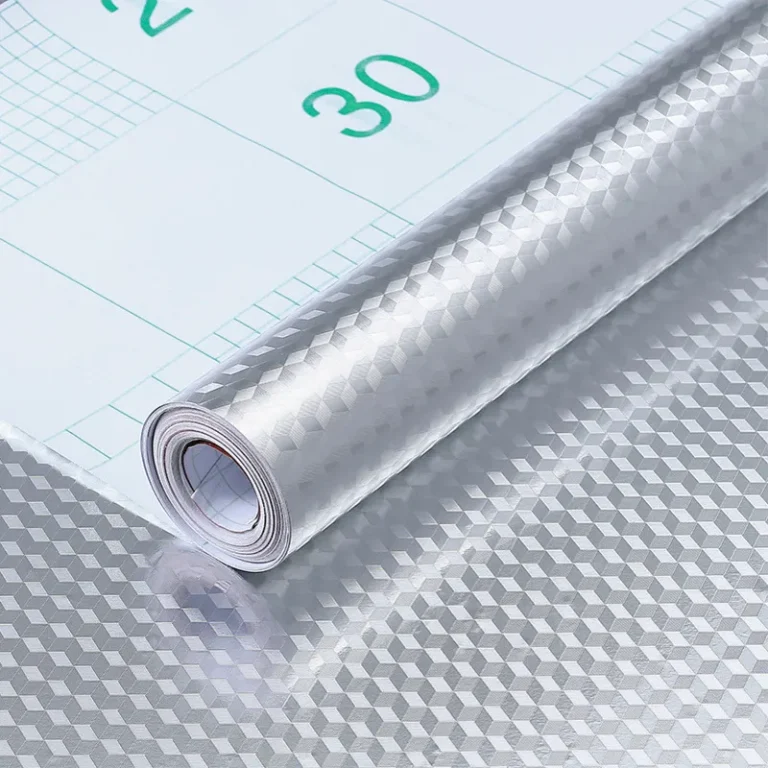
Solid embossed PVC film is a practical way to bring long-lasting texture, refined aesthetics, and easy maintenance to interior surfaces. Designed for modern manufacturing and renovation workflows, high quality solid emboss PVC film delivers a tactile, premium “feel” while supporting daily wear in high-touch areas such as furniture panels, wall cladding, and doors.
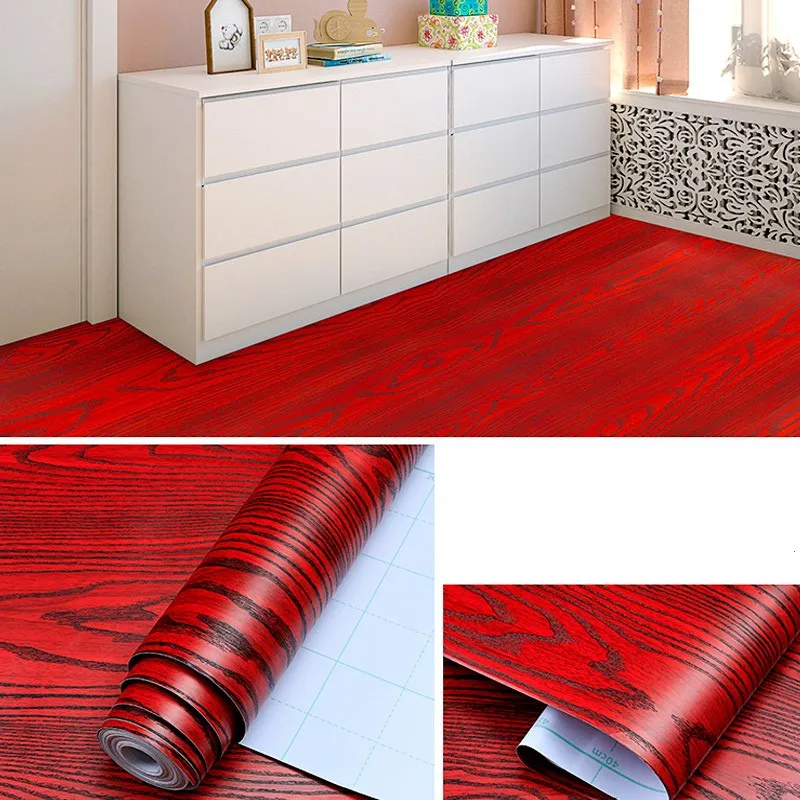
This article explains how durable textured vinyl works, where it performs best, and what to consider when selecting thickness, emboss depth, finish, and functional coatings—so you can specify a film that looks consistent, applies smoothly, and stays stable over time.
“Solid” typically refers to a uniform base color rather than a printed wood/stone pattern. “Emboss” refers to a raised or recessed surface texture formed during production (commonly via calendering and embossing rollers). Together, they create a clean, contemporary surface that hides minor fingerprints and micro-scratches better than flat glossy materials.
✔ Key idea:
Embossing is not only decorative. It can improve grip, reduce glare, and increase perceived thickness and luxury—especially on doors, cabinet fronts, and wall panels.
In furniture and architectural surfaces, PVC film quality is visible in the details: how evenly the color holds across batches, whether the emboss pattern repeats cleanly, how well the film forms over edges, and how it reacts to heat, humidity, and daily cleaning.
ℹ Practical note:
For contract projects (hotels, offices, retail), prioritize color consistency, scratch resistance, and batch traceability. These reduce installation rework and ensure the surface looks uniform under strong lighting.
High quality solid embossed PVC film is widely specified for interior decorative surfacing because it pairs well with MDF, plywood, particle board, and composite panels. It can be used in lamination lines, wrapping processes, and various bonding systems depending on the project requirements.
For furniture, the embossed texture offers a modern solid-color look while helping to hide daily wear. Typical use cases include cabinet doors, wardrobe panels, drawer fronts, office workstations, and showroom displays. If you need a sleek alternative, you can also compare with glossy finishes such as
Glossy Wardrobe Film.
For wall systems, solid embossed vinyl provides a clean architectural feel, supports quick wipe-down maintenance, and can be specified in low-sheen textures for comfort-focused spaces. In minimalist interiors, designers often coordinate embossed surfaces with plain wall coverings; see
Solid Color Wallpaper
as a complementary option for non-panel areas.
Doors benefit from texture because they are frequently touched and often viewed under angled lighting. A well-chosen emboss can reduce the appearance of smudges and minor abrasions, while solid colors help achieve consistent room-to-room uniformity—especially important in hospitality and multi-unit residential projects.
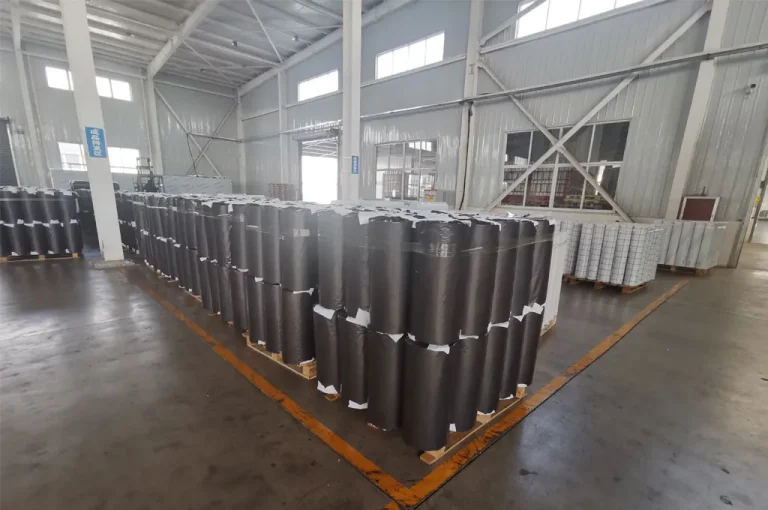
High-performing PVC film starts with controlled formulation, then moves through a stable manufacturing sequence. Pulivk Film focuses on a full-process workflow—calendering, printing, and slitting/packaging—so each stage supports the next with measurable quality checkpoints.
★ Production advantage:
Integrated lines help shorten lead times and reduce cost fluctuations while keeping thickness stability and texture repeat accuracy under control—two factors that strongly affect lamination yield.
If your project requires a stable base film for embossing and consistent mechanical properties, you can review
Calendered Film
specifications as a reference point for thickness ranges and production characteristics.
A “high quality” film is not one universal recipe—it’s the right match between substrate, process, and end-use environment. The most common selection variables are thickness, roll width, emboss texture, gloss level, and optional surface coatings.
Thicker films can deliver better coverage and a more substantial feel, while thinner films may offer easier conformability for tight radii. Your choice should be driven by edge wrapping needs, flat lamination stability, and whether you require extra resistance to impact and abrasion.
Emboss options range from fine matte micro-textures to deeper linen or geometric patterns. Fine emboss works well for minimalist doors and panels, while stronger textures can mask substrate imperfections and add a distinctive tactile identity. If your project needs a more fabric-like aesthetic, explore
3D Silk Texture Film
for design comparison.
In bright spaces (showrooms, corridors, commercial lobbies), lower sheen and textured surfaces reduce glare and help keep walls and doors looking consistent throughout the day. In residential settings, soft textures create a warmer impression and hide small marks from everyday use.
Many projects require more than just decoration. Optional surface treatments can improve performance in specific environments—such as reducing dust attraction, improving cleanability, or supporting contact requirements for certain applications.
✔ When to specify functional coatings:
Anti-static for electronics environments and dust-sensitive spaces •
Improved stain resistance for kitchens, retail, and public areas •
Special topcoats where frequent disinfection or chemical wipe-down is expected
For large or repeated programs, OEM/ODM support can be the difference between a “close enough” surface and a truly branded finish. Pulivk Film supports flexible customization across thickness, width, roll length, color systems, and surface textures, as well as printing or functional treatments when required.
Decorative films are appearance materials, so packaging matters. Rolls can be slit to the requested width and individually wrapped with dust-proof PE film or kraft paper, labeled clearly, and prepared for export shipping to reduce abrasion, moisture exposure, and edge damage.
For furniture factories, builders, and distributors, consistent quality protects production yield and reduces claims. A robust QC system should monitor raw materials, process stability, and finished roll performance—including thickness tolerance, tensile strength, adhesion behavior, and visual uniformity.
⚑ Buyer checklist (quick):
Confirm intended application (furniture/wall/door) → choose emboss + gloss → verify bonding process → request sample roll → approve color under your lighting → lock specification for mass production.
Even the best film depends on correct processing. Your lamination or wrapping line should be calibrated for temperature, pressure, and speed, and the substrate should be clean, dry, and dimensionally stable. For embossed films, maintain consistent tension to preserve the texture appearance across the panel.
Many customers want one coherent look across the room, not isolated surfaces. Solid embossed PVC film pairs well with coordinated trims and functional surfaces. For example, skirting lines can be matched to door and wall tones using
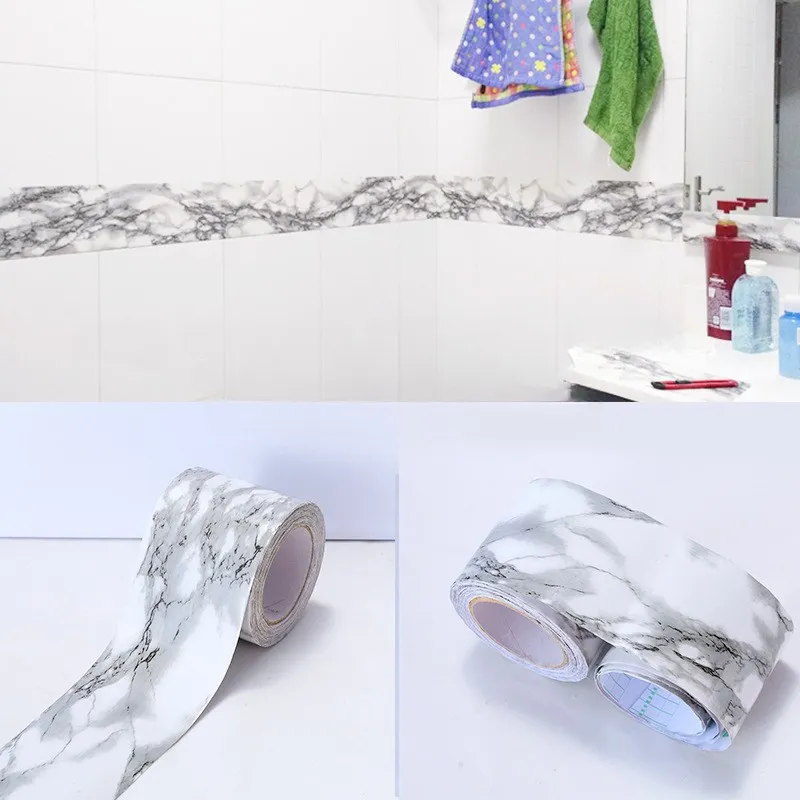
PVC Skirting Film,
and flooring surfaces can be aligned with the same palette using
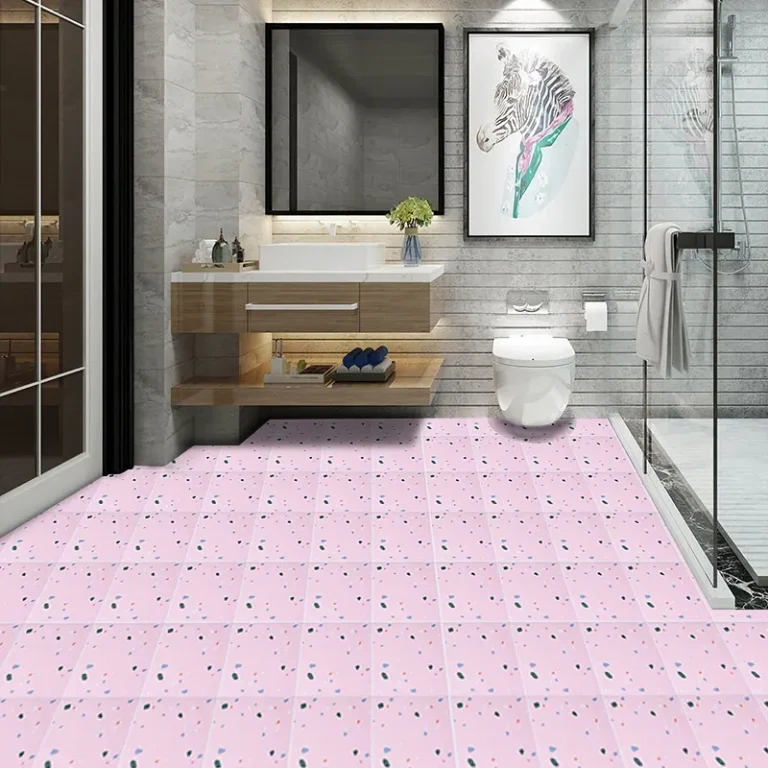
Floor Film.
When a project uses consistent neutrals (warm whites, greiges, charcoal, deep navy) across doors, panels, and trims, the emboss texture becomes the subtle differentiator—adding depth without introducing new colors. This is especially valuable in modern apartments, boutique hotels, and retail fit-outs where brand consistency matters.
Pulivk Film focuses on R&D and manufacturing across multiple PVC film categories, including calendered film, decorative film, flooring film, soft-touch film, and transparent film. With integrated production (calendering, printing, slitting, and packaging), Pulivk supports stable lead times, consistent appearance control, and competitive costs—while maintaining strict QC from raw materials to finished rolls.
✔ What this means for you:
Faster sampling and specification lock • More predictable mass production • Export-ready packaging • Flexible OEM/ODM for color, texture, and roll formats.
PVC film is a thin polyvinyl chloride sheet used as a decorative and protective surface. It’s popular for furniture, wall panels, and doors because it can deliver consistent color/texture, strong durability, and easy cleaning at scale.
Yes. OEM/ODM options commonly include thickness, width, roll length, emboss pattern, gloss level, and functional topcoats, plus packaging formats for different factories and shipping routes.
MOQ and lead time depend on specifications and customization. Many suppliers support trial orders for evaluation, followed by scheduled mass production once the sample and color are approved.
High-quality interior PVC decorative films can be produced with non-toxic inks and compliant formulations. Documentation such as REACH/RoHS/FDA and ISO management certifications may be provided based on your market and application.
Share your target application (furniture/wall/door), required thickness and width, preferred solid color, emboss texture, and estimated quantity. Samples can then be prepared for testing under your production conditions and lighting environment.