Address
304 North Cardinal St.
Dorchester Center, MA 02124
Work Hours
Monday to Friday: 7AM - 7PM
Weekend: 10AM - 5PM
Address
304 North Cardinal St.
Dorchester Center, MA 02124
Work Hours
Monday to Friday: 7AM - 7PM
Weekend: 10AM - 5PM


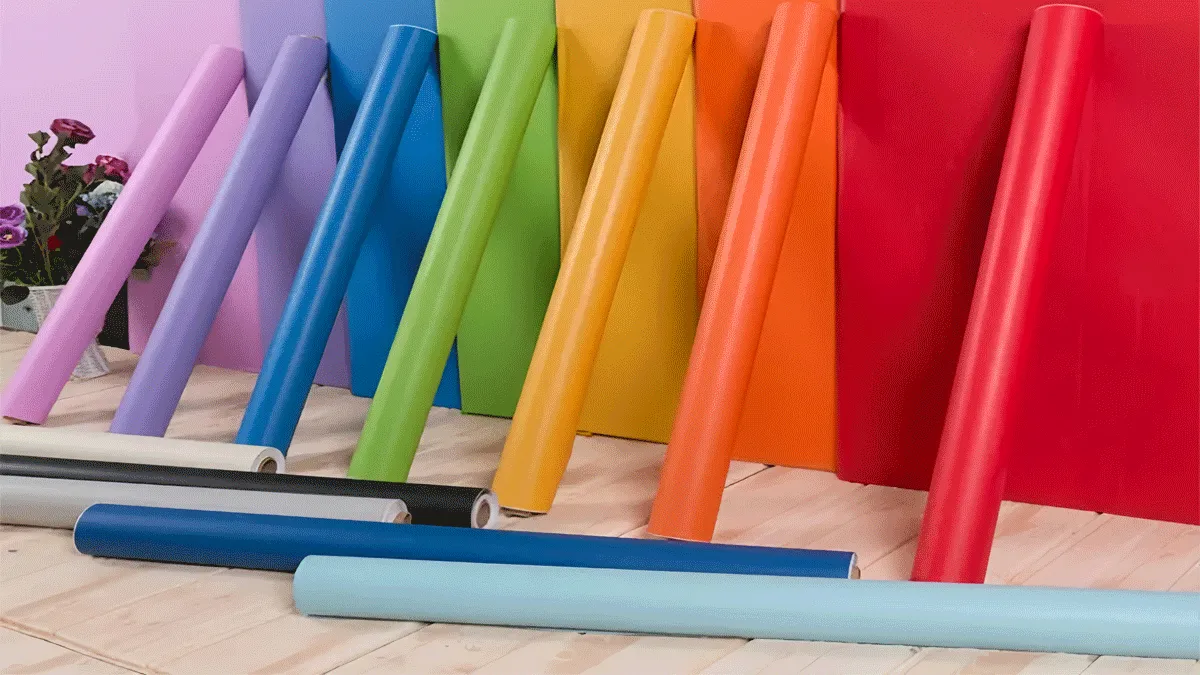
High gloss PVC film has become a go-to surface solution for modern furniture and interior decoration because it delivers a lacquer-like shine without the cost, complexity, or downtime of traditional painting. When it is customized in size, color, and finish, it fits real-world production lines—cabinet doors, wardrobe panels, wall cladding, skirting, and decorative trims—while helping brands keep style consistent across projects.
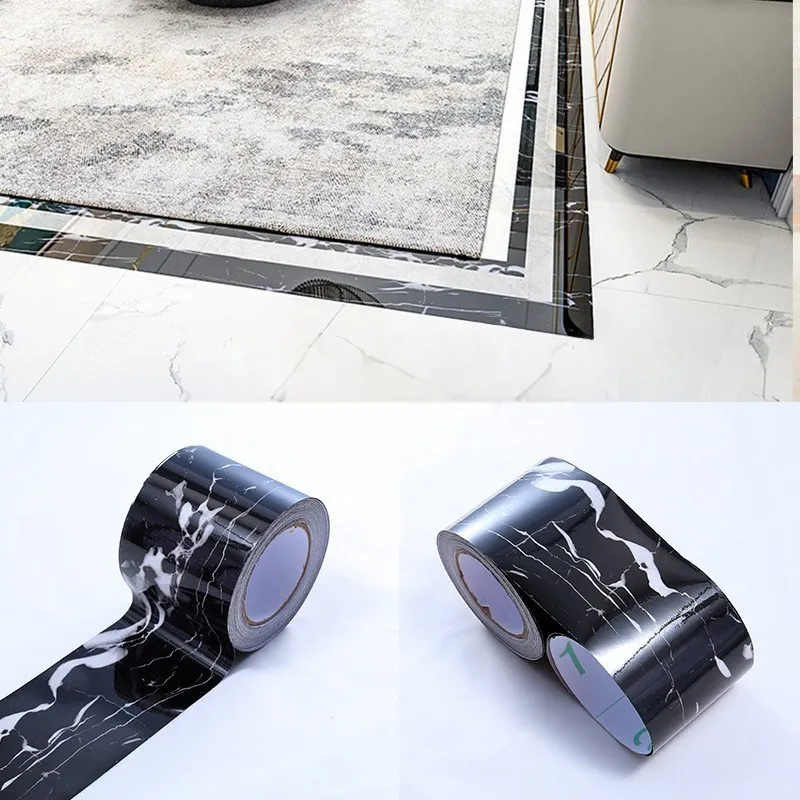
At Pulivk Film, we focus on PVC film R&D and manufacturing, with end-to-end capabilities across calendering, printing, and slitting/packing. That integrated workflow supports stable quality, practical lead times, and OEM/ODM flexibility for buyers who need reliable gloss levels, color matching, and roll formats for different laminating methods.
Key idea:
High gloss PVC film is not “one specification.” The best results come from choosing the right base film, surface finish, adhesion system, and packaging for your exact furniture or interior application.
Customization typically combines four dimensions: size (width, roll length, core ID), color (solid colors, metallic tones, matched palettes), finish (mirror gloss, soft gloss, anti-scratch topcoat options), and structure (single-layer, multi-layer composites, self-adhesive variants, or functional coatings such as anti-static).
Pulivk’s production lines can process the full journey from material to finished roll, including calendering, printing, and precision slitting. If your product requires a stable base for thermoforming or flat lamination, start from a controlled substrate such as Calendered Film and then tailor the surface effect on top.
High gloss surfaces reflect more light, making spaces feel larger and cleaner—one reason they remain popular in kitchens, retail fixtures, and contemporary residential design. Typical application areas include:
For projects that aim at a premium “showroom gloss,” many buyers pair high gloss panels with complementary textures—silk-like patterns, brushed looks, or 3D embossing—to create contrast. If you want a refined tactile pairing next to high gloss doors, a product such as 3D Silk Texture Film can be used on adjacent panels to balance the visual intensity.
Size customization is not just about “making it fit.” It directly affects yield, scrap rate, laminating stability, and packaging safety during export. Common size decisions include:
Pulivk supports slitting and packing per order, with each roll individually wrapped using dust-proof PE film or kraft paper and labeled by specification. That detail matters for high gloss surfaces: minimizing dust, scuffs, and pressure marks helps maintain a consistent “mirror” appearance when the roll is opened at the factory.
Color decisions should be made alongside gloss level. High gloss amplifies undertones—warm whites can look creamier; cool grays can appear more “blue” under daylight. For furniture brands, the most efficient approach is to set a master color standard and align film batches to that reference to reduce mismatch between cabinet doors, side panels, and accessories.
●
Solid colors: classic whites, deep black, beige/greige, bold accents for retail fixtures
●
Stone & marble looks: for premium kitchens and hotel interiors (see Marble Film)
●
Wood & warm décor pairings: gloss doors combined with wood grain panels (see Wood Grain Film)
“High gloss” can vary widely depending on the target look and end-use environment. For example, glossy wardrobe doors often require a balance between shine and daily durability to reduce visible fingerprints and micro-scratches. If your product is specifically for wardrobes, consider dedicated options like Glossy Wardrobe Film to align appearance with typical bedroom lighting and usage patterns.
When selecting a finish, always check three practical points: cleaning behavior (does it streak?), scratch visibility under store lighting, and color stability across batches. High gloss surfaces are unforgiving—small variations can be obvious after installation.
Consistency is the core KPI for decorative films: stable thickness, stable gloss, repeatable color, and dependable adhesion performance. Pulivk’s advantage comes from full-process production control—calendering, printing, and slitting/packing handled in-house—so fewer steps are outsourced and fewer variables enter the process.
① Thickness & uniformity across the width to prevent waviness during lamination
② Optical inspection for haze, pinholes, and surface defects
③ Adhesion compatibility with your glue system and substrate (MDF, particleboard, PVC board, etc.)
④ Packing protection to prevent pressure marks and dust contamination in transit
Pulivk supports flexible OEM/ODM services, which means you can tailor not only the film appearance but also the practical performance and delivery format. Buyers commonly specify thickness, width, roll size, surface treatment (gloss, matte, anti-static, anti-fog, food-grade), color/pattern, and packaging plan.
Interiors demand more than appearance. Pulivk uses environmentally friendly, non-toxic inks so films are suitable for indoor decoration and human contact scenarios. For international buyers, compliance often includes restrictions on heavy metals and phthalates, and alignment with management systems such as ISO 9001 and ISO 14001, plus material compliance references like REACH and RoHS (and FDA for specific contact requirements).
If you are supplying residential projects, schools, hospitals, or commercial spaces with strict procurement rules, request the relevant documentation early. It helps avoid last-minute delays and ensures the installed finish meets both aesthetic and safety expectations.
High gloss film is visually premium but physically sensitive. Dust, rubbing, and compression during shipping can create defects that are easy to see after lamination. Pulivk individually wraps rolls with dust-proof PE film or kraft paper, applies specification labels, and can provide export-ready packaging with moisture and damage protection to match your shipping route and warehouse handling.
A reliable selection process reduces rework and ensures the finish looks the same from sample to mass production. Evaluate the film using your real substrate and production method, under the same lighting conditions your customers will see (showroom lights, daylight near windows, or warm residential lighting).
► If your priority is maximum shine, choose mirror gloss and strengthen packing/handling controls.
► If your priority is daily durability, consider soft gloss or subtle texture plus a protective topcoat strategy.
► If your priority is design coordination, lock a master color standard and order batch planning to maintain consistency.
PVC film is a thin sheet made of polyvinyl chloride used for decorative, industrial, and packaging purposes. Decorative PVC films include wood grain, marble, metal foil, soft-touch, transparent, and self-adhesive options.
Yes. Specifications can be customized by thickness, width, roll length, core size, gloss level, and color/pattern, with slitting and packaging adjusted to your production and shipping needs.
Common uses include kitchen cabinets, wardrobes, office furniture, decorative wall panels, partitions, and trim wrapping. They improve aesthetics while keeping surfaces easier to clean than many painted finishes.
Quality consistency is supported by full-process control (calendering, printing, slitting/packing), multi-step QC checks, batch traceability, and testing for thickness stability, optics, and adhesion performance.
MOQ and lead time depend on the product type and customization level. Small trial orders are often possible; share your specifications and quantity to confirm the exact MOQ and production schedule.