Address
304 North Cardinal St.
Dorchester Center, MA 02124
Work Hours
Monday to Friday: 7AM - 7PM
Weekend: 10AM - 5PM
Address
304 North Cardinal St.
Dorchester Center, MA 02124
Work Hours
Monday to Friday: 7AM - 7PM
Weekend: 10AM - 5PM


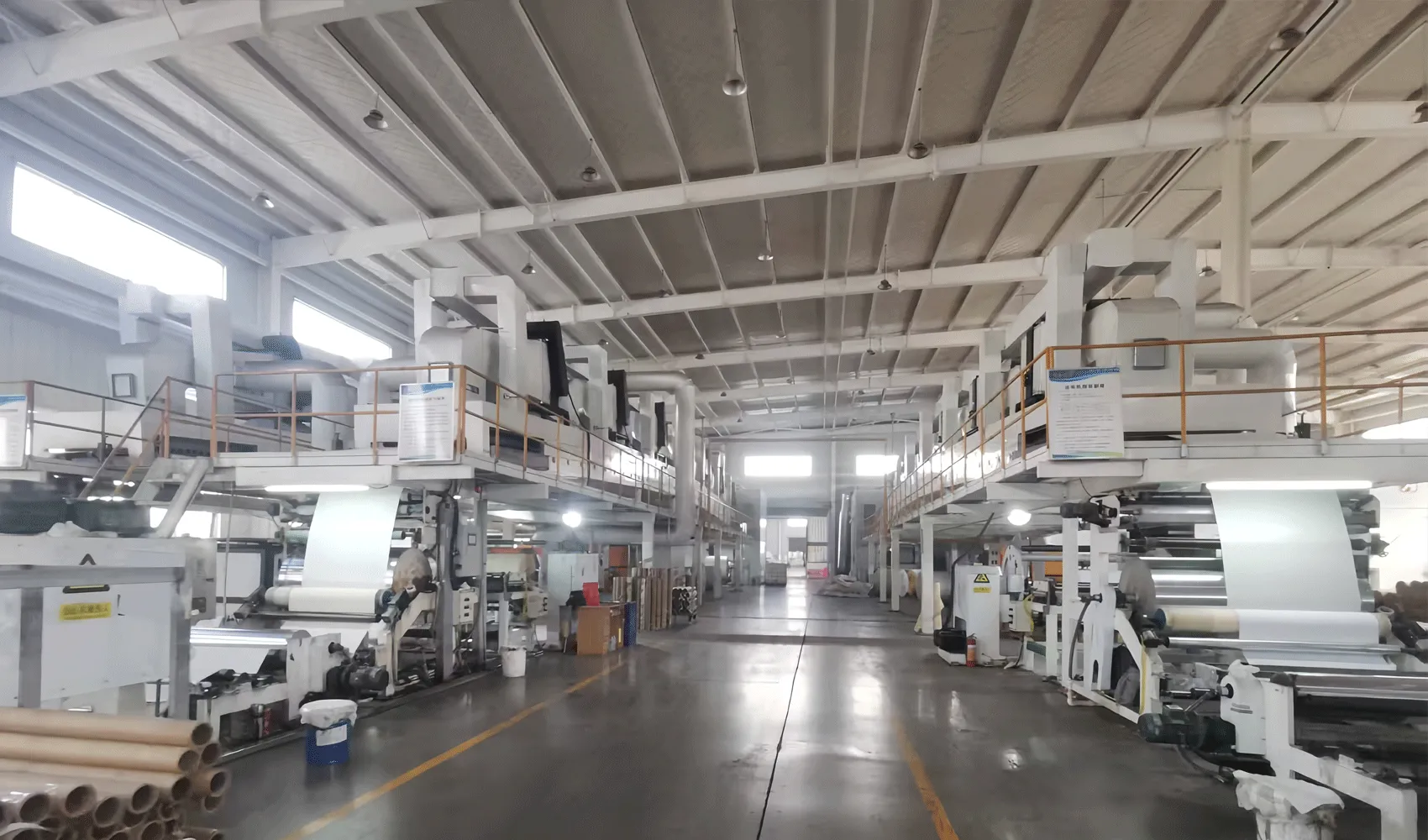
Air duct film, a specialized type of PVC film, is a critical component in modern HVAC systems, serving as a protective and sealing layer within air handling units and ductwork. Its primary function is to prevent dust, moisture, and other contaminants from compromising air quality and system efficiency. This guide delves into the various types of air duct films, their specific applications, and provides essential installation tips to ensure optimal performance.

The selection of air duct film is not one-size-fits-all. Different environments and system requirements call for specific film properties. Manufacturers like Pulivk Film offer a range of films tailored for HVAC applications.
These are typically clear or lightly tinted films designed for basic dust and moisture protection during construction or between manufacturing and installation. They are often used to seal off duct openings.
For ducts running through unconditioned spaces like attics or crawl spaces, vapor barrier films are essential. These films have very low permeability, preventing condensation from forming inside the ductwork, which can lead to mold growth and insulation degradation.
Building codes in many regions mandate the use of fire-rated materials in HVAC systems. Fire-retardant PVC films are chemically treated to resist ignition and slow flame spread, enhancing overall building safety.
In applications requiring extra durability and puncture resistance, such as in industrial settings or for temporary ductwork, reinforced films are used. These may be laminated with fabric or other materials for added strength.
For decorative internal ducts or exposed systems in commercial spaces, films with specific textures or colors, like a marble film or wood grain film aesthetic, can be applied for a seamless look.
Air duct film serves multiple purposes beyond simple protection. Its correct application is key to system longevity and indoor air quality.
During construction, open ends of installed ductwork are sealed with film to prevent debris, insects, and moisture from entering. This is a crucial step before the final connection to air handlers and diffusers.
When insulating ductwork, especially with fiberglass, a protective film layer is often applied over the insulation. This contains loose fibers, preventing them from entering the airstream and improving air quality.
Films can be used to create temporary access panels for inspection or cleaning. They are also used to seal joints and seams in flexible ducting, ensuring an airtight system that operates efficiently.
Proper installation is critical. A poorly installed film can tear, become ineffective, or even be drawn into the system.
Ensure the duct surface is clean, dry, and free of dust, oil, or loose particles. Any contamination will prevent proper adhesion. For metal ducts, wiping with a mild solvent may be necessary.
Measure the duct opening or area to be covered. Cut the film to size, allowing for an overlap of at least 2-3 inches on all sides for a secure seal. Using a sharp utility knife or scissors ensures clean edges.
For related adhesive solutions, explore options like specialized adhesive films which share similar application principles.
Apply firm, even pressure across the entire film surface. For adhesive films, a J-roller or similar tool is ideal. Pay special attention to the edges and corners, ensuring they are fully sealed and adhered. For taped seams, burnish the tape firmly.
Once installed, visually inspect for any gaps, wrinkles, or loose edges. For critical vapor barrier applications, a smoke pencil or blower door test can help identify leaks that need to be resealed.
When sourcing air duct film, consider these factors to ensure compliance and performance:
Thickness and Durability: Thicker films (measured in mils) offer better puncture resistance and longevity, especially in harsh environments.
Permeability Rating: For vapor barriers, check the film’s perm rating. A rating of 1.0 perm or less is typically required for an effective Class I vapor barrier.
Fire and Smoke Ratings: Verify that the film meets local building code requirements for flame spread and smoke development (e.g., ASTM E84).
Temperature Tolerance: Ensure the film can withstand the temperature extremes of the location, from hot attics to cold crawl spaces.
Working with a knowledgeable manufacturer who offers comprehensive product lines and technical support is invaluable for selecting the right material.
It is not recommended. Regular polyethylene sheeting often lacks the necessary durability, fire ratings, and low permeability required for proper HVAC applications. Always use film specifically designed and rated for air duct use.
When installed correctly in a protected environment (inside a wall or ceiling), quality air duct film can last for the lifetime of the duct system. Films exposed to UV light, physical damage, or extreme temperature swings will have a shorter lifespan.
For a permanent, airtight, and reliable seal on protective covers or vapor barriers, a pressure-sensitive adhesive film is generally superior. Tape is acceptable for sealing seams on non-adhesive films or for temporary closures, but the tape itself must be a high-quality product rated for HVAC use.
Small punctures should be repaired immediately to maintain system integrity. Clean the area around the puncture and apply a patch of the same film material, sealing all edges thoroughly with appropriate HVAC tape or adhesive.
Yes. Many manufacturers now offer films produced with environmentally conscious practices and low-VOC (Volatile Organic Compound) adhesives. Look for products with relevant certifications if indoor air quality is a top priority for your project.