Address
304 North Cardinal St.
Dorchester Center, MA 02124
Work Hours
Monday to Friday: 7AM - 7PM
Weekend: 10AM - 5PM
Address
304 North Cardinal St.
Dorchester Center, MA 02124
Work Hours
Monday to Friday: 7AM - 7PM
Weekend: 10AM - 5PM


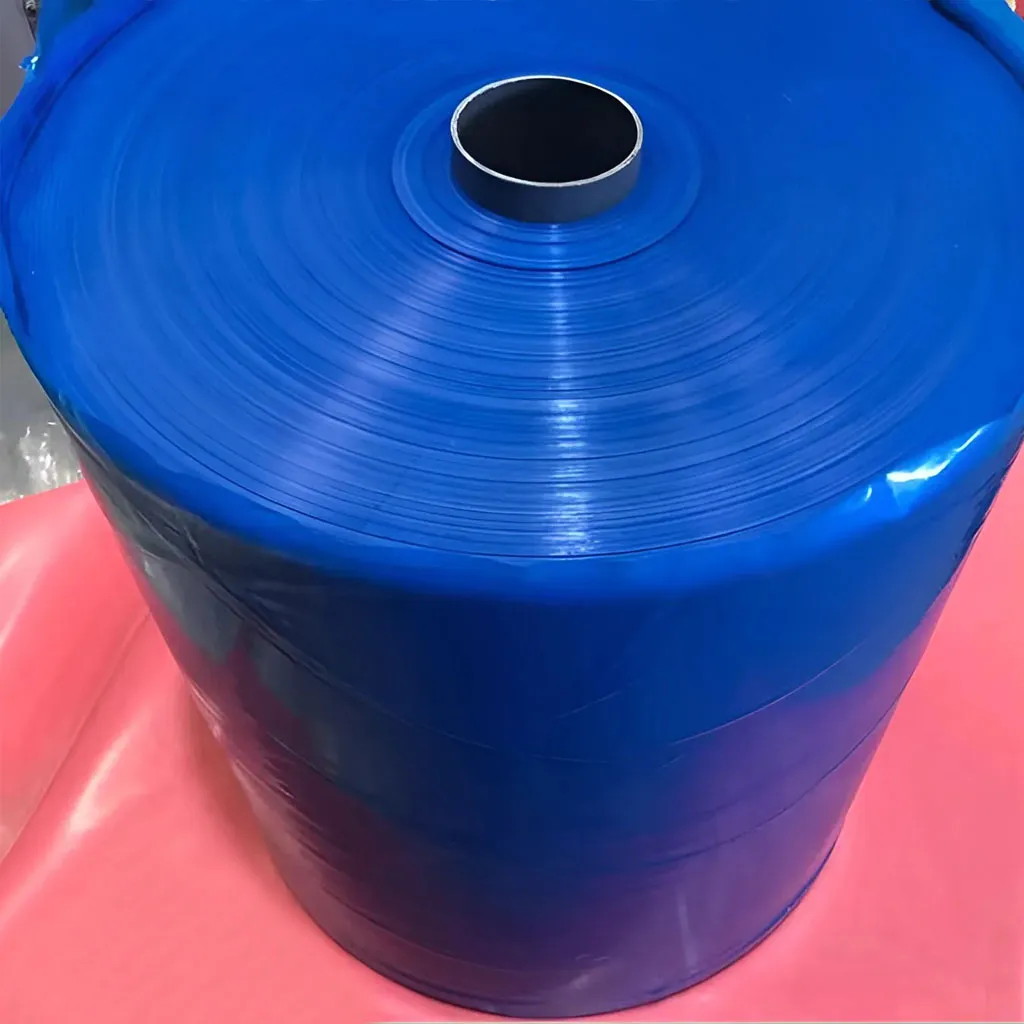
Heat insulation PVC film is a practical way to add thermal control, surface protection, and design flexibility to modern buildings and industrial facilities. From interior wall panels and ceilings to equipment housings and clean packaging areas, a well-made thermal barrier film helps stabilize temperature, reduce energy waste, and improve comfort—without adding bulky layers or complex construction steps.
As a heat insulation PVC film factory, Pulivk Film focuses on R&D and manufacturing of PVC film solutions across construction, furniture, electronics, advertising, medical, and home applications. With integrated calendering, printing, and slitting/packaging capabilities, we support consistent quality, faster lead times, and highly customizable OEM/ODM delivery for global buyers.
Thermal management is no longer limited to thick insulation boards and structural changes. Many projects need a thinner, cleaner solution that fits existing workflows—especially renovations, fast commercial fit-outs, prefabricated interiors, and equipment enclosures.
In building interiors, films can help maintain stable temperatures near partitions, ceilings, doors, and decorative panels where heat gain/loss is noticeable. In industrial settings, they are often selected to support insulation and protection needs for equipment panels, packaging zones, and areas where anti-static or clean requirements also apply.
Thermal barrier performance is not only about material choice; it also depends on stable manufacturing control. Pulivk Film operates a complete in-house production chain that covers:
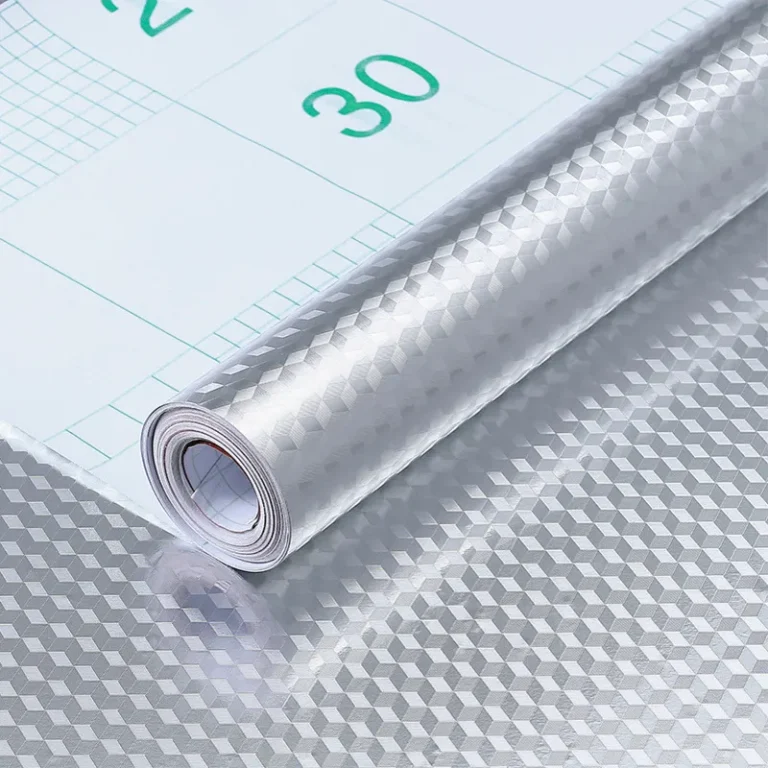
This integrated workflow helps reduce batch variation and supports shorter lead time planning. It also enables flexible combinations such as single-layer film, multi-layer composites, cloth-backed film, release film, packaging film, and self-adhesive film—depending on project demands.
A “heat insulation PVC film” is often specified by thickness, surface finish, and functional treatment. Different use cases require different balances of aesthetics, durability, and thermal support.
Depending on the application, we can add anti-static, anti-fog, and other functional coatings, along with glossy or matte finishes. This helps align the film with real-world site conditions such as humidity, dust control, and cleaning frequency.
For projects that need both design and performance, decorative insulation-support films can be paired with textures that match interior styles—such as modern minimal solid colors, warm wood patterns, or premium stone looks—without compromising processing efficiency in lamination or wrapping.
OEM/ODM customization is often the difference between a film that “fits” and a film that truly performs on-site. Thermal barrier films must align with substrate, adhesive systems, and project installation methods.
For buyers evaluating base film selection, our Calendered Film is a common starting point due to stable thickness control and wide applicability. From there, we can build toward decorative and functional variants based on your thermal barrier target and end-use environment.
Construction projects often prioritize speed, visual consistency, and easy maintenance. Heat insulation PVC films can support these goals by adding a controlled barrier layer while delivering a finished decorative surface.
For trim and edge finishing, many builders specify dedicated skirting solutions such as PVC Skirting Film to keep a consistent look across the whole interior system. When a clean, modern style is required, options like Solid Color Wallpaper can support unified color design in corridors, offices, hotels, and retail areas.
Industrial customers often need films that can do more than decorate—such as protecting surfaces, supporting insulation performance in enclosures, and helping meet cleanliness requirements in packaging and assembly areas. Depending on the environment, anti-static performance, stable thickness, and mechanical durability become critical.
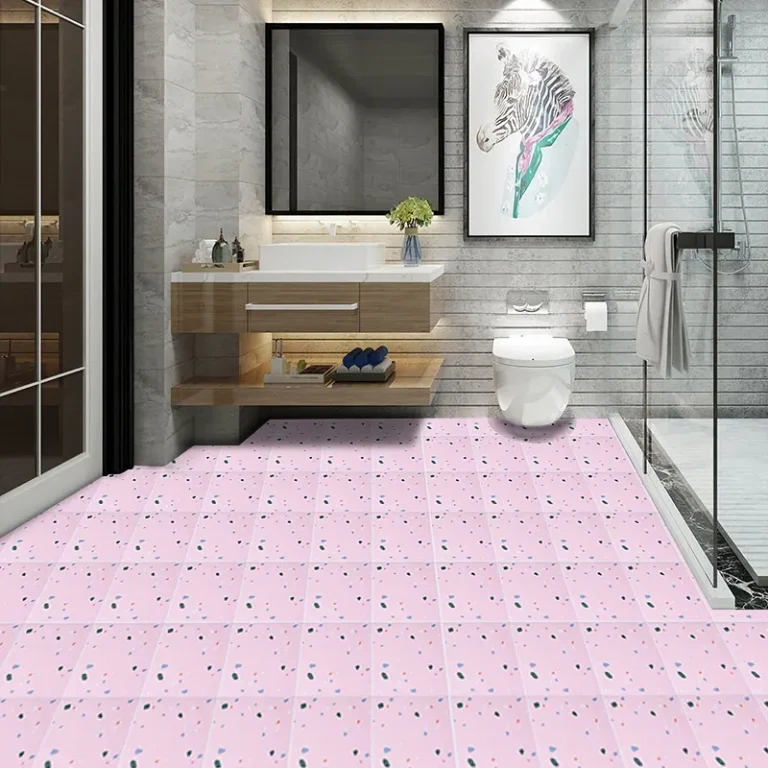
For flooring-related industrial and commercial projects (showrooms, corridors, back-of-house areas), our Floor Film solutions can be aligned with wear expectations and visual style while still supporting broader comfort and thermal management goals in indoor spaces.
Thermal barrier films used in interiors and industrial facilities must meet practical safety expectations. Pulivk Film emphasizes process control and compliance-ready material selection, including environmentally considerate inks suitable for interior decoration and human contact scenarios.
Compliance is also a procurement requirement for many regions and industries. Our materials are designed to meet widely requested standards and directives, including ISO management systems and common chemical compliance expectations (for example REACH/RoHS and FDA-related needs when applicable).
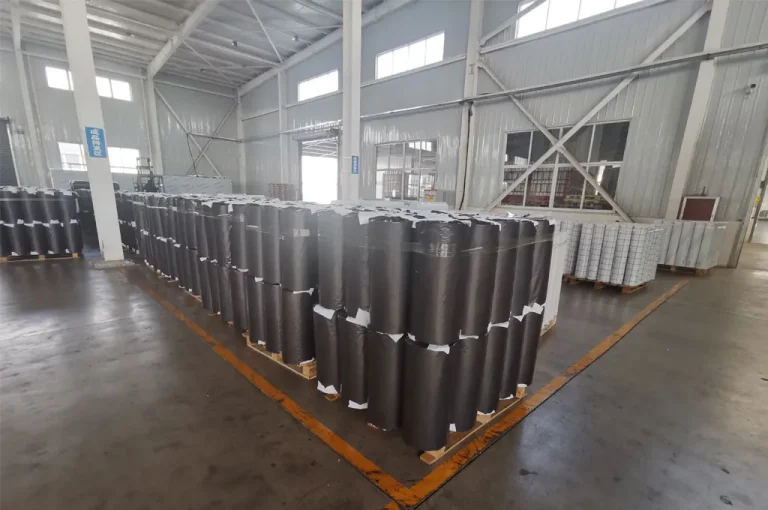
On-time delivery matters when films are tied to panel production schedules, site installation windows, and seasonal renovation peaks. With full-process in-house lines and planned inventory management, we support stable scheduling for both trial orders and large-volume production.
Each roll can be slit and packaged based on your requirement, then individually wrapped with dust-proof PE film or kraft paper and labeled with clear specifications. This helps reduce installation errors and minimizes damage risk during international transport.
When requesting a quote, share application, thickness/width, finish, pattern/color, and quantity. If you have a substrate sample or panel spec, include it to speed up evaluation and reduce iteration.
Selecting an insulation-support PVC film becomes easier when you break it into a few decisions: the environment, the look, and the processing method. Below is a simple guide buyers use for construction and industrial projects.
If you want to explore more product categories and specifications, you can review the full catalog through Product listings, then share your project details for a tailored recommendation.
PVC film is a thin polyvinyl chloride sheet used for decoration and functional protection. For thermal barrier applications, it can support insulation goals by adding a controlled layer with stable thickness, optional coatings, and durable surfaces suitable for construction and industrial environments.
Yes. We support OEM/ODM customization for thickness, width, roll size, color/pattern, glossy/matte/embossed finishes, and functional treatments such as anti-static or anti-fog depending on your end use.
MOQ depends on film type and customization level. Small trial orders are often possible; share your specification and target quantity for an accurate MOQ and pricing recommendation.
We use full-process production control (calendering, printing, slitting/packaging) and multi-stage QC checks, including thickness and surface property monitoring, batch traceability, and export-ready packaging to reduce damage and contamination risk.
Yes. We ship worldwide via air or sea freight and can provide samples for evaluation. Send your application, spec, and required finish/pattern to arrange sampling and a quotation.