Address
304 North Cardinal St.
Dorchester Center, MA 02124
Work Hours
Monday to Friday: 7AM - 7PM
Weekend: 10AM - 5PM
Address
304 North Cardinal St.
Dorchester Center, MA 02124
Work Hours
Monday to Friday: 7AM - 7PM
Weekend: 10AM - 5PM


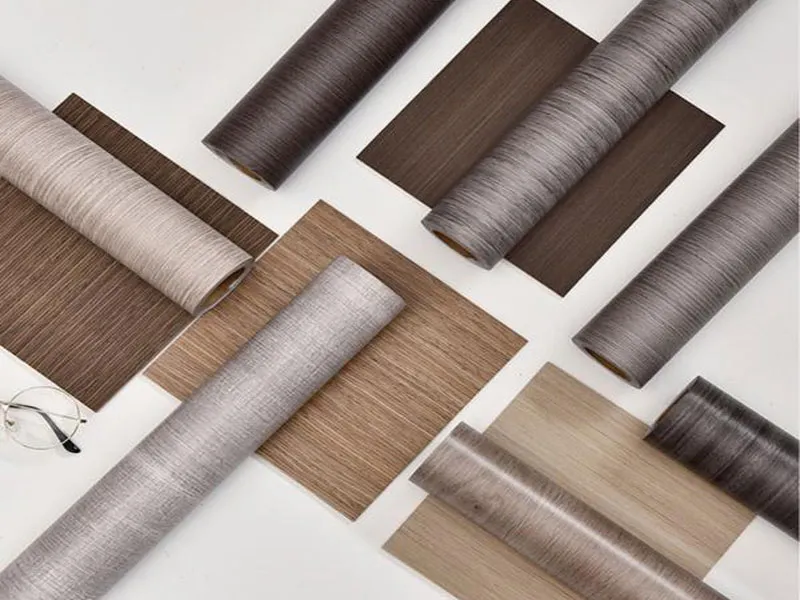
Solid embossed PVC film is a practical surface solution when you need a fair price without giving up the look and feel of premium interior finishes. With a durable calendered base and a tactile texture, it helps furniture, doors, wall panels, and decorative profiles resist daily wear while maintaining a consistent, high-end appearance. For manufacturers and contractors, it also offers an efficient way to standardize designs across projects—especially where reliability, lead time, and repeatable color/texture matter as much as cost.
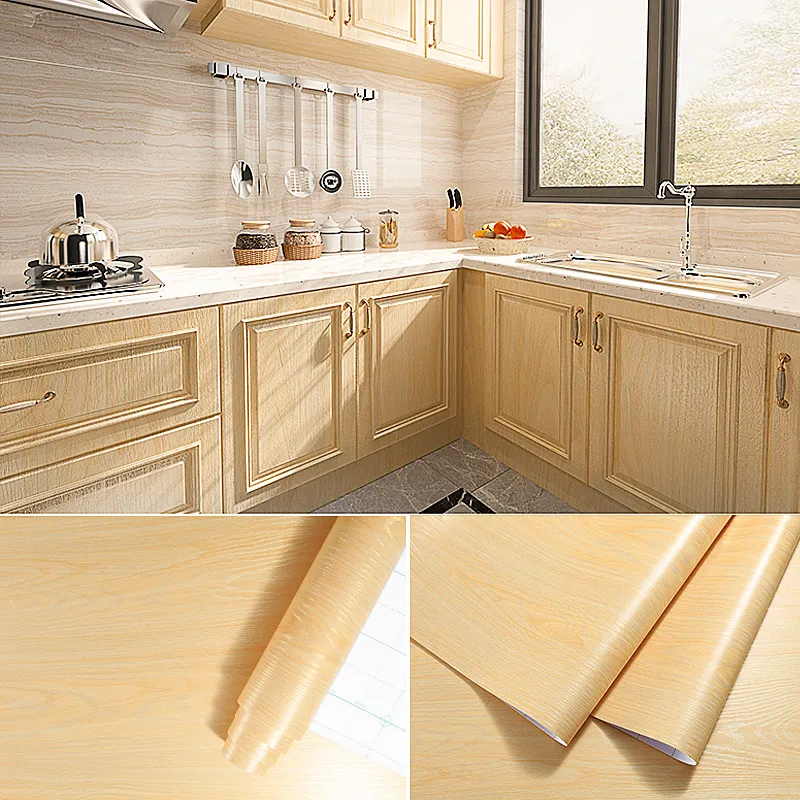
Unlike flat films, embossed PVC film creates a three-dimensional surface that visually hides minor substrate imperfections and delivers a more realistic finish—whether you’re aiming for subtle linen, leather-like grain, micro-sand, or structured matte textures. This makes it especially attractive for:
“Fair price” should not mean “thin, inconsistent, or short-lived.” In practice, a fair price is achieved when the film manufacturer controls the core steps—calendering, printing, embossing, and slitting/packing—so quality remains stable while waste and delays are reduced. This is why calendered production is widely used in furniture and building materials: it supports steady thickness, scalable output, and repeatable performance.
If your project needs a stable base film, you can learn more about Calendered Film options commonly used for decorative lamination and wrapping.
You’re buying durability, uniform texture, and process compatibility—not just a roll of plastic. In production, fewer defects and fewer reworks often save more than the initial material cost difference.
Fair pricing also includes stable lead time. When the same factory manages printing and cutting/packing, you reduce coordination risk and get more predictable shipment schedules.
A supplier with OEM/ODM capability can tune color, thickness, width, emboss pattern, and packaging so the film fits your line—not the other way around.
A well-made solid embossed PVC film should balance aesthetics with functional protection. Below are the performance areas buyers typically prioritize for furniture boards, doors, and interior decorative surfaces.
The embossed layer can help reduce visible scratches and scuffs by dispersing light reflection. In high-traffic settings—kitchens, rental apartments, hotels, schools—this translates into better long-term appearance with simpler maintenance.
“Solid color” doesn’t mean “flat.” Modern emboss patterns can add depth even to single-color designs, making them look more refined on large surfaces like doors or wardrobe panels. If you want a premium textile-like surface effect, consider 3D Silk Texture Film as a related option.
Embossed PVC film is commonly used with flat lamination on boards and profile wrapping for trims. When film thickness and roll stability are well controlled, it feeds smoothly and supports clean edges, fewer bubbles, and stable adhesion with appropriate adhesives.
Solid embossed PVC film is frequently chosen for projects that demand uniform color matching and cost control—such as multi-unit residential builds, office renovations, and modular furniture programs. Because it can be slit and packed to specification, it works well for both factories and installers.
Used on kitchen cabinets, wardrobes, TV units, office desks, and retail counters. Embossed matte textures are especially helpful when you want low-glare surfaces with a clean, modern feel.
For interior doors and frames, the film can deliver a consistent factory finish across batches. For baseboards and trim lines, matching film improves project unity; see PVC Skirting Film for related skirting applications.
For wall panels and decorative boards, solid colors create a calm, architectural look. Many designers use solid tones to make small spaces feel larger or to support minimalistic interiors where texture is the visual focus.
If your project is more wall-finish focused, you may also compare with Solid Color Wallpaper to decide the most suitable installation method and surface feel.
Selecting the right film is easier when you align film structure and surface requirements with your production process and end-use environment. The points below are commonly used by purchasing teams, product engineers, and project contractors.
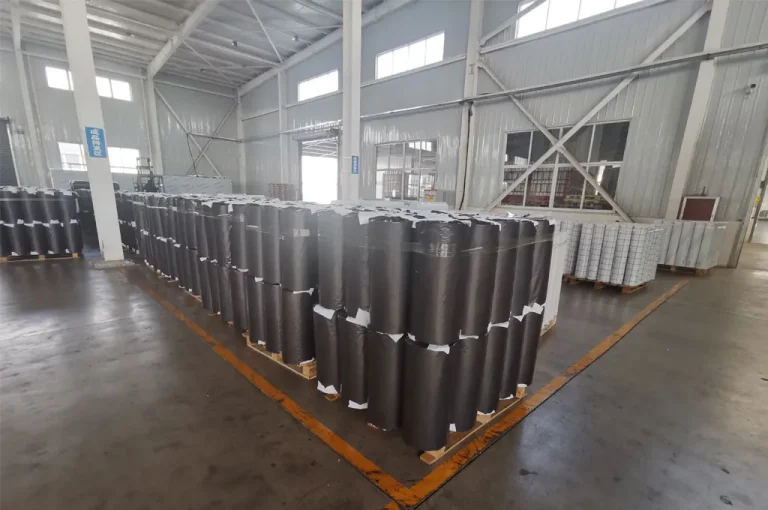
In manufacturing, the “last mile” is often roll handling. Professional suppliers typically slit to requirement and pack each roll with protective materials to reduce dust and edge damage.
If you supply branded furniture lines or run project-based door and panel production, customization is often the difference between “acceptable” and “repeatable.” With OEM/ODM support, you can define your own standard—texture, gloss, hand feel, color system, roll length, and carton/pallet labeling—so every shipment fits your internal QC and installation workflow.
Match to common color systems or approved samples so doors, cabinet faces, and skirting lines stay consistent across suppliers and job sites.
Specify width, roll length, core size, and slitting tolerances to reduce changeover time and waste on your line.
Add functional coatings when required (for example, anti-static for electronics-related applications or special touch finishes for premium furniture).
For interior decoration, safety and compliance matter—especially for projects with strict material requirements. A trustworthy PVC film solution should be produced with eco-friendly, non-toxic inks and controlled formulations designed for indoor contact and long service life. Many buyers also request third-party reports and management system documentation to ensure consistent sourcing for ongoing orders.
Pulivk Film focuses on PVC film R&D and manufacturing across decorative and industrial categories, including calendered film, decorative film, flooring film, soft-touch film, and transparent film. With integrated production lines covering calendering, printing, and slitting/packing, we help customers reduce handover risk between suppliers and keep quality stable from raw materials to finished rolls.
This end-to-end capability supports both standard products (wood grain, stone grain, metal effects, solid colors, embossed textures) and flexible OEM/ODM customization—including thickness, width, roll size, surface treatment, pattern, and packaging. For buyers with multiple categories, you can also browse the broader catalog via Product and application insights via Knowledge.
To evaluate solid embossed PVC film efficiently, request samples that represent real production conditions. Provide your target application (furniture lamination, door wrapping, wall panel), desired texture, color reference, thickness range, width/roll length, and expected order volume. For the fastest quotation and sample support, use Contact to share your requirements and receive a tailored response.
It’s used as a decorative and protective surface for furniture panels, cabinet doors, interior doors, wall panels, and trims—adding texture, improving durability, and making surfaces easier to maintain.
Yes. Common OEM/ODM options include thickness, width, roll length, emboss pattern, gloss level, color matching, functional coatings, and packaging/labeling.
Ask for batch traceability and QC records, then confirm thickness tolerance, color consistency, and surface uniformity with retained samples and repeat-order comparisons.
Professional suppliers use eco-friendly, non-toxic inks and controlled formulations; compliance documents and third-party test reports (when required) can be provided for indoor applications.