Address
304 North Cardinal St.
Dorchester Center, MA 02124
Work Hours
Monday to Friday: 7AM - 7PM
Weekend: 10AM - 5PM
Address
304 North Cardinal St.
Dorchester Center, MA 02124
Work Hours
Monday to Friday: 7AM - 7PM
Weekend: 10AM - 5PM


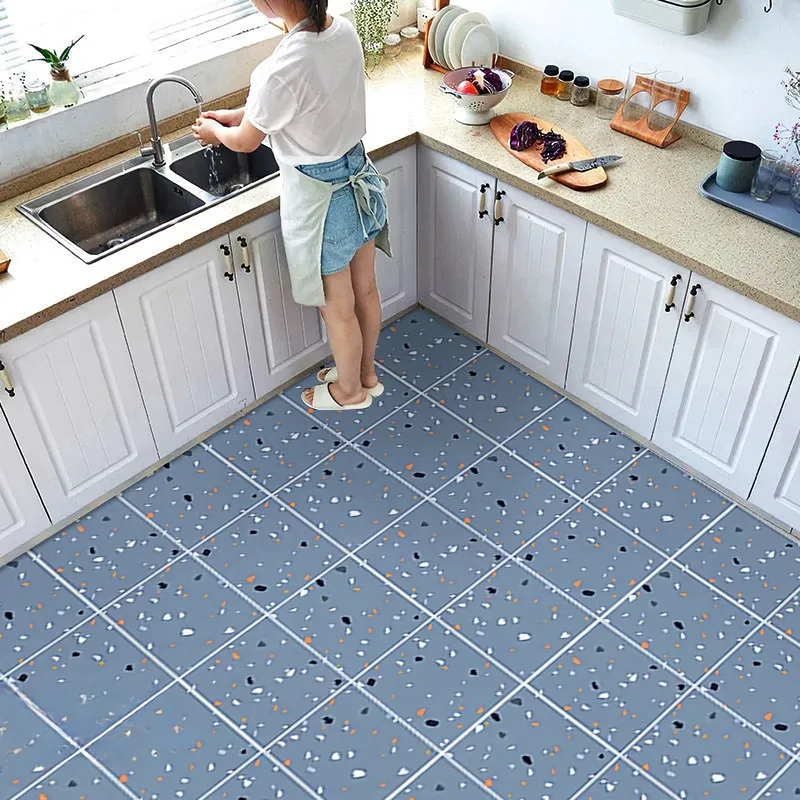
Custom fabric PVC film is a practical way to combine the visual warmth of textile textures with the performance of engineered PVC: durable surface protection, reliable waterproofing, and consistent lamination behavior. For furniture makers, interior contractors, brand owners, and converters, the biggest advantage is flexibility—thickness, embossing, color, gloss, functional coatings, and roll formats can all be tailored to match your process and end-use conditions.
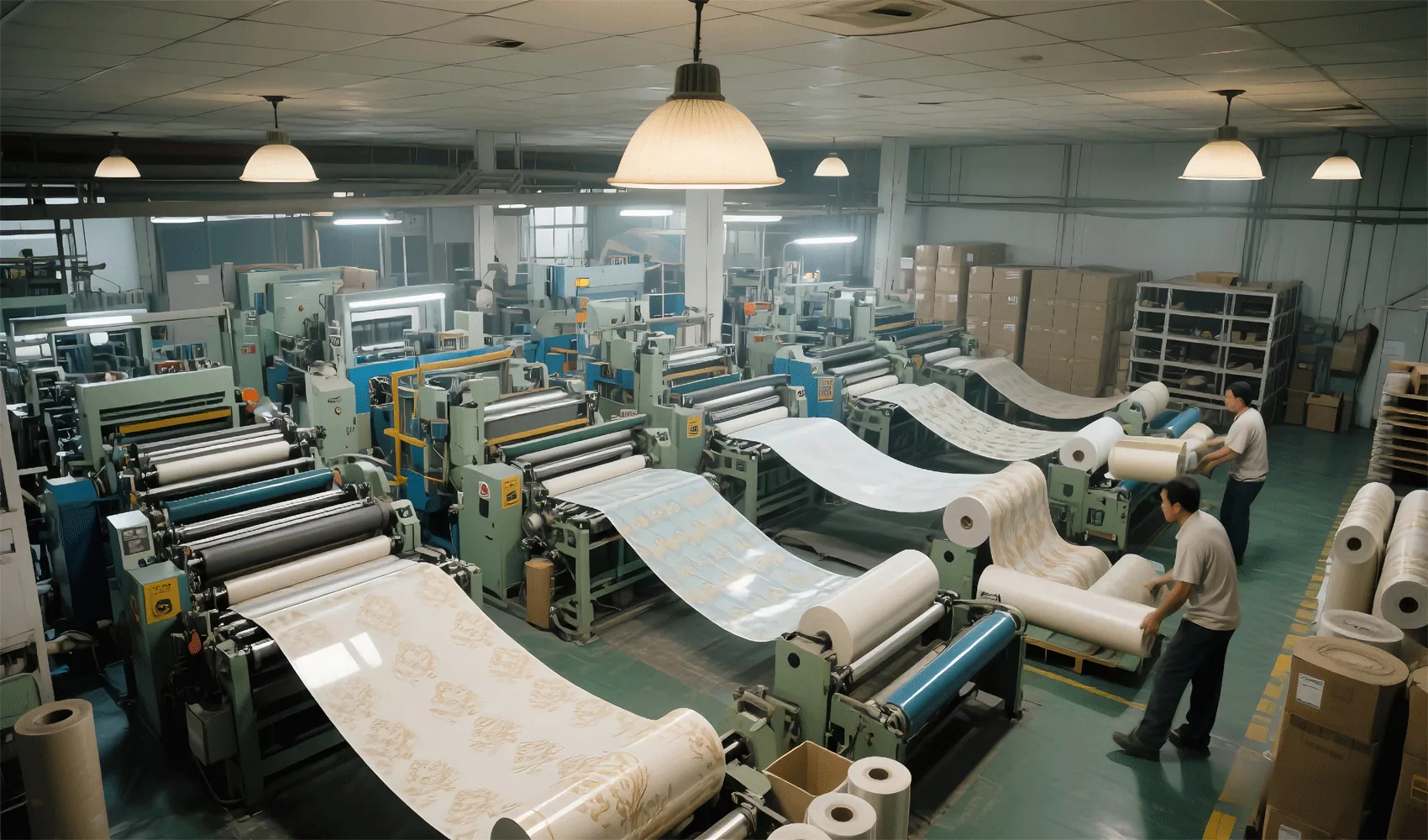
“Fabric PVC film” typically describes a PVC film with a cloth-like appearance or tactile fabric grain (and in some cases a fabric-backed structure). In decorative lamination, it’s widely used to enhance touch, hide minor substrate imperfections, and deliver a stable, wipe-clean surface for daily use.
Key idea:
You can treat fabric PVC film as a design layer + protection layer in one—helping products look premium while resisting moisture, stains, and abrasion.
In lamination, the film’s job is to seal and protect the substrate (MDF, particleboard, plywood, SPC/WPC, metal panels, foam boards, and more). A well-made PVC film is naturally moisture-resistant, and when properly laminated it forms a continuous protective skin that helps reduce swelling, staining, and surface wear.
✔ Furniture surfaces:
cabinet doors, wardrobe panels, tabletops, office partitions—especially where wiping and daily contact is frequent.
✔ Building decoration:
wall panels, trims, skirting, ceilings—where moisture control and easy maintenance are required.
✔ Commercial and public spaces:
high-traffic interiors benefit from controlled gloss, anti-scratch options, and consistent texture that hides fingerprints.
If you’re sourcing custom fabric PVC film for lamination and protection, customization should be defined by performance targets and processing conditions—not just appearance. Below are the most requested parameters that directly influence yield, bonding, and lifetime.
Depending on your lamination line and end-use, you may select single-layer films for stable, economical finishing, or multi-layer composite designs to balance print clarity, softness, and wear resistance. For certain industrial and specialty applications, fabric base constructions can improve tear behavior and handling.
Thickness affects feel, conformability, and durability. Wider rolls improve productivity on wrapping/lamination lines, while custom roll lengths reduce changeovers. Matching your machine width and your panel dimensions can reduce trim loss and improve throughput.
Production-friendly tip:
Provide your supplier with lamination method (flat lamination, profile wrapping, membrane press), daily output, and target panel sizes. This helps lock the most cost-efficient roll spec.
Fabric textures can range from subtle linen-like grains to deeper cloth patterns that visually upgrade flat panels. Surface finish also impacts cleaning and fingerprint visibility. For example, matte and soft-touch surfaces often look premium in interior applications but should be paired with the right wear-resistant top layer for high-contact zones.
If your products enter electronics, cleanroom, medical, or kitchen/bathroom environments, functional coatings can be decisive. Options may include anti-static behavior to reduce dust attraction, anti-fog coatings for humid conditions, and formulations aligned with specific compliance needs.
Color consistency across batches is critical for furniture sets and wall systems. Customization may include Pantone-like matching, controlled delta values, and print alignment standards—especially for repeating fabric patterns that must look seamless on assembled products.
Different projects require different film families. If you’re comparing options, these product categories are often used as building blocks for custom fabric PVC solutions:
Selecting the right custom fabric PVC film is a process decision as much as a design decision. A film that looks perfect on a sample board can fail in production if it doesn’t match your adhesive system, heating profile, or substrate preparation.
“Durable” is not a single feature—it’s a combination of formulation, surface treatment, structure, and correct application. When these variables are controlled, fabric PVC film can support long-term performance for furniture and interior surfaces.
For tabletops, cabinet faces, and commercial wall panels, prioritize surface layers designed for abrasion resistance. Deep fabric embossing can also help visually mask micro-scratches over time.
Kitchens, bathrooms, clinics, and retail spaces often require better resistance to cleaners and daily contaminants. If you expect frequent wiping, specify the typical chemicals used so the film can be optimized accordingly.
Stability matters for edge wrapping and membrane pressing. A stable film reduces risks of edge lifting, pattern distortion, and shrink-back—especially on complex profiles and corners.
Pulivk Film focuses on PVC film R&D and production across multiple categories, including calendered film, decorative film, flooring film, soft-touch film, and transparent film. With integrated calendering, printing, and slitting/packing capability, OEM/ODM projects can be controlled from raw materials to finished rolls—helping maintain consistency while reducing lead time and cost.
What this means for buyers:
better control of thickness tolerance, print stability, surface uniformity, and on-time delivery—especially for repeat orders.
Damage during shipping can ruin lamination performance: telescoping rolls, edge dents, dust contamination, and moisture exposure may lead to visible defects. Export packaging should include protective wrapping, clear specification labels, and moisture control based on destination climate and transit time.
For interior decoration and human-contact environments, buyers increasingly request documented compliance. Films may be produced with eco-friendly, non-toxic inks, and can be formulated to meet common requirements such as ISO management systems and regulatory frameworks (e.g., REACH/RoHS/FDA where applicable). If your market demands third-party testing, clarify this early so sampling and mass production follow the same standard.
Note:
Compliance needs vary by application. Share your end-use (furniture, medical, electronics, advertising) and destination market to align formulation, inks, and documentation from the start.
To avoid long back-and-forth cycles, prepare a short technical brief before requesting samples. This ensures the sample you test is close to your production reality and reduces surprises in scale-up.
You can also review related resources and categories on the
Home
and
Knowledge
pages to align terminology before finalizing specifications.
1) What is PVC film, and why is it used for lamination?
PVC film is a thin polyvinyl chloride sheet used for decorative and protective surfaces. In lamination, it improves appearance and forms a moisture-resistant, easy-clean layer over substrates like MDF or panels.
2) Can fabric-texture PVC film be customized for my process?
Yes. Typical OEM options include thickness, width, roll length, surface embossing (fabric grain), gloss level, coatings (anti-static/anti-fog), color matching, printing, and packaging labels.
3) What affects bonding quality during lamination?
Substrate preparation, adhesive system, lamination temperature/speed, film structure, and dimensional stability all matter. Testing with real production settings is the safest way to confirm peel strength and long-term performance.
4) What is the MOQ for custom fabric PVC film?
MOQ depends on specifications and customization level. Many suppliers support trial orders before scaling to mass production—share your target spec and forecast to get an accurate MOQ.
5) How do I evaluate sample rolls before placing a bulk order?
Check thickness tolerance, color consistency, embossing uniformity, lamination yield, abrasion/stain performance, and packaging condition after transit. Ask for batch traceability so repeat orders match the approved sample.