Address
304 North Cardinal St.
Dorchester Center, MA 02124
Work Hours
Monday to Friday: 7AM - 7PM
Weekend: 10AM - 5PM
Address
304 North Cardinal St.
Dorchester Center, MA 02124
Work Hours
Monday to Friday: 7AM - 7PM
Weekend: 10AM - 5PM


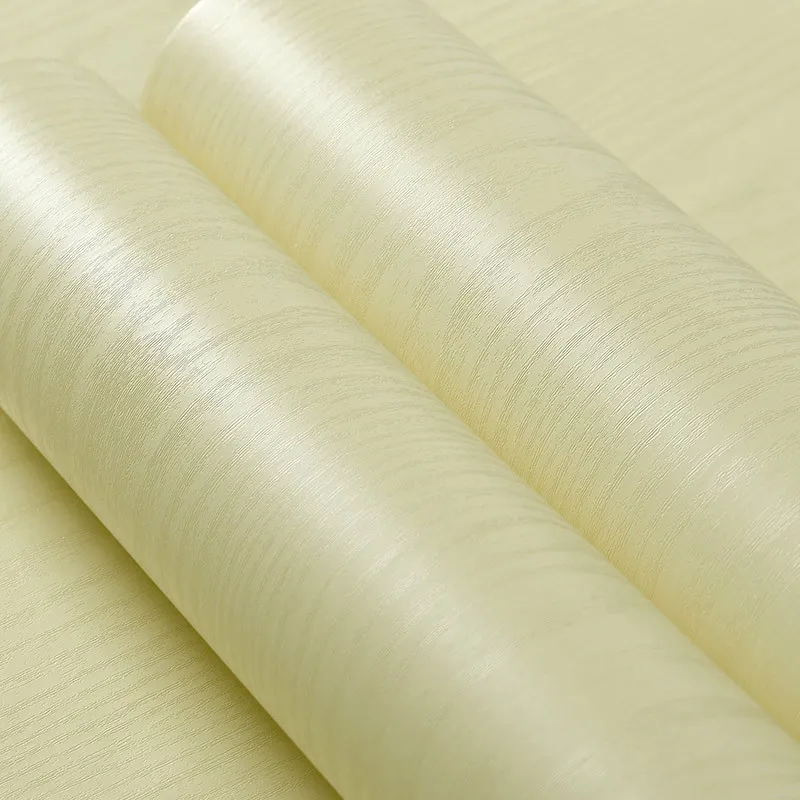
Door Surface PVC film is a practical, modern way to refresh old doors without sanding, repainting, or replacing the entire panel. As a durable self-adhesive wrap, it helps renovate worn surfaces, protect high-touch areas from daily damage, and make cleaning faster—especially for households, rental properties, hotels, offices, and retail spaces where doors are opened dozens or even hundreds of times per day.
This guide explains how door surface PVC film works, which finishes perform best, how to apply it neatly, and how to choose reliable supply for stable quality and long-term results.
Door surface PVC film is a thin polyvinyl chloride sheet engineered for decoration and protection. In door applications, it typically comes as self-adhesive film (peel-and-stick) or as a decorative film laminated by professionals. The surface layer can mimic wood, stone, fabric weave, metal, solid colors, glossy piano finishes, soft-touch textures, or embossed 3D patterns—allowing you to match interior design styles without the cost and disruption of replacing doors.
Key idea:
A well-made PVC door wrap is not only decorative. It acts as a wear layer that reduces fingerprints, scuffs, and minor scratches, and it simplifies cleaning compared with porous painted wood.
Painting a door often means sanding, priming, drying time, odor, and dust control. Door surface PVC film is a clean renovation method: apply it, trim edges, reinstall hardware, and the door can be used immediately.
Door edges, around handles, and lower kick zones wear quickly. PVC film forms a protective barrier that helps reduce stains, abrasion, and moisture marks—useful for kitchens, bathrooms, children’s rooms, dorms, and commercial corridors.
Many door films are designed for quick wipe-down. Compared with porous or chalky painted surfaces, a quality PVC wrap can be cleaned with mild soap and water, making it a smart choice for clinics, hospitality, and busy family homes.
You can switch from “old brown” to modern matte white, from flat paint to wood grain, or from bland to 3D texture—without replacing the door slab. This is especially useful for rental upgrades and fast retail refresh cycles.
The right finish depends on traffic level, lighting, and how “forgiving” you want the surface to be. In general, embossed or matte textures hide small imperfections better than high-gloss surfaces.
Not all PVC films perform the same on doors. Durability is influenced by film formulation, thickness, surface coating, embossing depth, and adhesive system. For stable performance, many manufacturers rely on calendered PVC film technology, which offers consistent thickness and scalable production for decorative and protective applications.
In many decorative surface projects, calendered film is selected for its balanced cost, stable thickness, and suitability for printing/embossing. If you need a consistent, production-ready base material for door wraps, you can review specifications here:
https://pvcfilmtec.com/product/calendered-film/
Door film works across many door materials—painted wood, laminate, MDF, metal doors (with proper surface prep), and even some smooth plastics. It is especially effective when the existing door is structurally sound but visually outdated.
➤ Apartments & rentals: quick refresh between tenants without strong paint odor.
➤ Hotels: uniform look across many rooms with controlled labor time.
➤ Offices: modernize meeting rooms and corridors while minimizing downtime.
➤ Retail & restaurants: frequent concept updates; film supports fast rebranding.
➤ Schools & clinics: easier cleaning for high-touch doors.
A clean installation is mostly about preparation and patience. If you wrap multiple doors, standardize your process to keep alignment, seams, and color direction consistent.
Remove dust, wax, silicone residues, and oil around handles. Any contamination can cause bubbles or edge lifting later. Let the door surface dry completely before applying film.
Fill deep dents or cracked paint, then sand lightly to level. PVC film can hide small flaws (especially textured films), but it will not hide sharp bumps or loose flakes.
Cut the film slightly larger than the door panel to allow trimming after placement. For wood grains, keep the grain direction consistent across all doors in a corridor or apartment.
Peel the liner gradually while using a squeegee from the center outward. Use gentle heat around corners and edges to improve conformability, then press firmly to set the adhesive. Finally, trim cleanly around hinges and lock areas.
Installer tip:
For glossy finishes, work in a low-dust area and keep hands clean. Small particles are more visible on high-gloss surfaces than on matte or embossed textures.
Door wraps are popular because they reduce long-term maintenance. Still, correct cleaning extends service life and helps keep color and texture looking consistent.
Use a soft cloth with mild soap and water. Wipe around handles more frequently, because oils from hands can accumulate in high-touch spots.
Avoid abrasive pads, strong solvents, and aggressive scraping. If you need to remove stubborn residue, test a small hidden area first to ensure the surface finish remains unchanged.
Whether you’re a contractor, distributor, furniture factory, or a renovation brand, selection should be based on performance requirements—not only pattern and price.
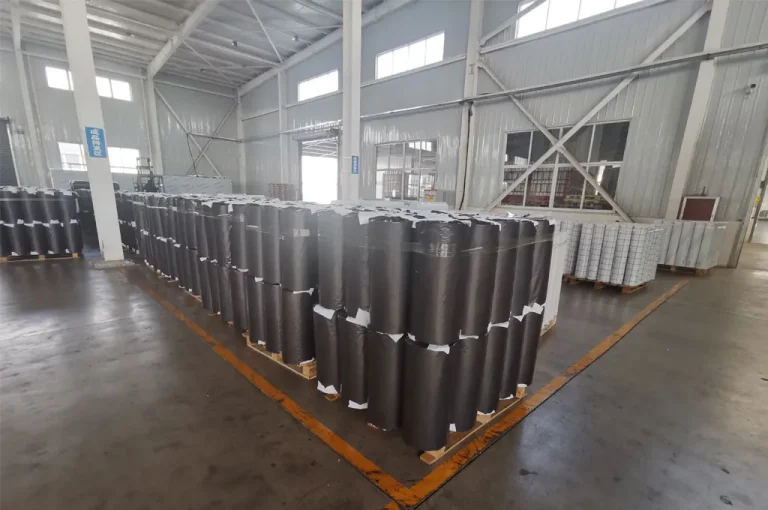
Door renovation projects often involve multiple rooms, multiple buildings, or phased delivery. Consistency in thickness, print tone, embossing feel, and adhesive performance becomes critical. A supplier with integrated production—calendering, printing, slitting, and packaging—can better control quality and shorten lead times.
● Stable QC from raw material to finished rolls (thickness, adhesion, optics, strength).
● OEM/ODM customization for size, thickness, pattern, color, and packaging.
● Export-ready packaging (dust protection, labeling, moisture protection).
● Compliance focus for indoor applications (low odor, safer inks, and documentation).
If you are sourcing for long-term projects, it’s also useful to keep a single information hub for product updates and application notes:
https://pvcfilmtec.com/knowledge/
Most “film failures” are installation-related, not material-related. Preventing a few common mistakes will noticeably improve appearance and service life.
Yes, if the paint is fully cured, clean, and not peeling. Remove loose flakes, level rough areas, and degrease around handles before application.
Removal depends on substrate condition and adhesive type. Using gentle heat usually helps release the film more cleanly, especially on stable, well-prepared surfaces.
Matte and embossed/3D textures are generally more forgiving than high-gloss finishes, which can highlight dust and surface waviness.
Use a soft cloth with mild soap and water. Avoid abrasive pads and strong solvents unless the supplier confirms chemical resistance for that surface.
Yes. Many manufacturers support OEM/ODM customization (thickness, width, roll length, texture, printing, and packaging) to match project requirements and maintain consistent batches.